How to Improve Athletic Performance: A Practical Framework for Better Results
Learn how to improve athletic performance through structured training, recovery, nutrition, mobility, and measurable progress without relying on shortcuts.
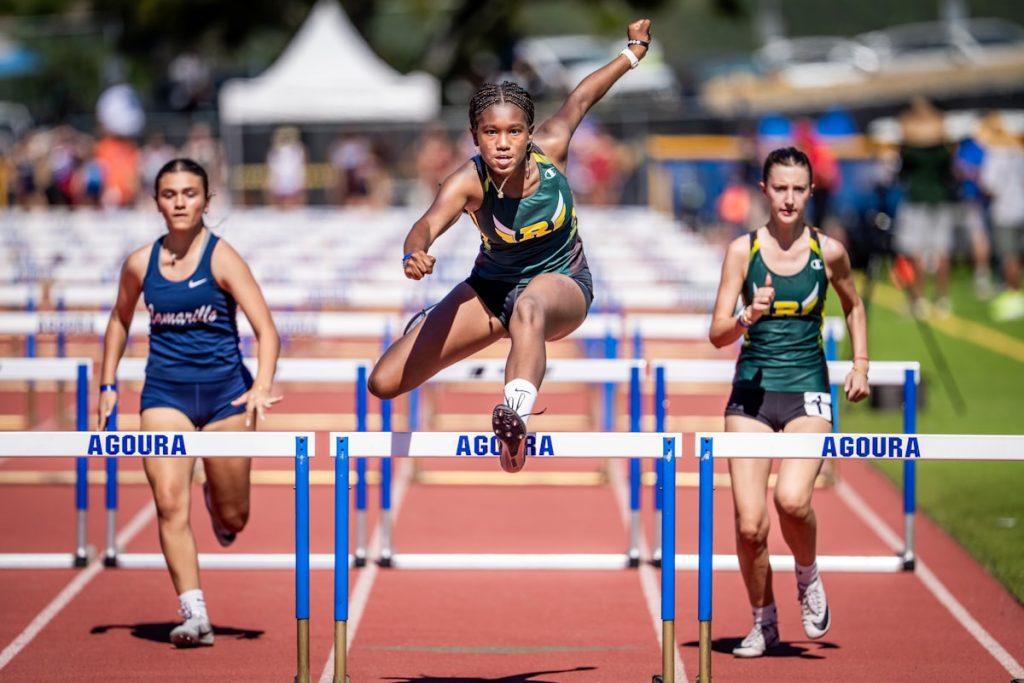
Athletic performance rarely improves because of one spectacular workout. More often, the difference comes from repeating the right basics: training with purpose, recovering well, eating enough, and tracking the changes that matter. A sprinter, footballer, basketball player, or recreational runner can all use the same principle—make the body better prepared for the demands of the sport.
The most effective performance plan matches training to the athlete’s goals. Speed, strength, endurance, power, coordination, and repeat-effort ability overlap, but they are not identical qualities. Improving one while neglecting the others can leave a noticeable weakness in competition.
Build training around the demands of your sport
Start by identifying what successful performance actually requires. A distance runner may need aerobic capacity and efficient pacing, while a football midfielder needs acceleration, deceleration, agility, repeated sprints, and the ability to recover between efforts. A basketball player may place greater emphasis on explosive jumping, lateral movement, strength, and decision-making under fatigue.
This process is sometimes called sport-specific conditioning, but it does not mean copying every movement from competition. It means selecting exercises and energy-system work that support the main demands of the activity.
- Strength: Use progressive resistance training to improve force production, joint stability, and physical resilience.
- Power: Add jumps, throws, or other explosive exercises when the athlete can perform them with good technique.
- Speed and agility: Practise short accelerations, changes of direction, braking, and movement quality rather than only running longer distances.
- Endurance: Combine steady aerobic work with intervals that resemble the intensity and duration of competition.
- Skill: Keep technical practice fresh and precise, because fitness gains do not automatically improve sport-specific execution.
Progressive overload is central to improving athletic ability. Training must gradually become more demanding through additional resistance, volume, intensity, complexity, or reduced rest. Increasing everything at once is a common route to persistent soreness, declining performance, and injury. Change one or two variables, then give the body time to adapt.
Use recovery as part of the performance plan
Training provides the stimulus; recovery allows adaptation. Athletes who continually add hard sessions without enough rest may feel busy while becoming slower, weaker, or less coordinated. Planned easier days are not lost training time. They help preserve quality during the sessions that matter most.
Sleep is one of the strongest tools for physical recovery. A consistent sleep schedule, a dark and comfortable room, and a wind-down period without intense screen use can support better rest. Athletes should also pay attention to warning signs such as unusual fatigue, irritability, declining motivation, disrupted sleep, or a sudden drop in training performance.
Recovery can include low-intensity movement, mobility work, gentle stretching, and appropriate rest. Massage, compression garments, and cold-water exposure may feel useful for some athletes, but they cannot replace sufficient sleep, food, and sensible training loads.
Improve nutrition and hydration without overcomplicating them
Performance nutrition begins with enough total energy. Athletes who consistently under-eat may struggle to build muscle, recover between sessions, regulate mood, or maintain training intensity. Meals should generally include a source of protein, carbohydrate-rich foods, colourful produce, and fluids suited to the climate and workload.
Protein supports muscle repair and adaptation, while carbohydrates help fuel intense exercise, repeated sprints, and longer training sessions. Fats contribute to energy intake and overall health. The best eating pattern is one the athlete can maintain around work, school, travel, and competition.
Hydration needs vary with body size, temperature, humidity, clothing, and sweat rate. Drinking regularly throughout the day is a sensible starting point. Longer or especially hot sessions may require fluids containing electrolytes, particularly when substantial sweat loss is visible. Athletes with medical conditions or unusual symptoms should seek advice from a qualified clinician or sports dietitian before making major dietary changes.
Measure progress beyond the scoreboard
Useful performance tracking does not need to be complicated. Record a few measures that match the goal: sprint time, jump height, lifting load, running pace, repeated-effort quality, training duration, or perceived exertion. A training diary can also reveal whether poor results follow inadequate sleep, a crowded schedule, or excessive intensity.
Test under similar conditions and avoid judging progress from a single session. Daily readiness fluctuates, and normal variation can hide a genuine improvement. Look for trends across several weeks, while also considering technical quality and how well the athlete performs late in a session or match.
Finally, build a plan that can survive real life. Two high-quality strength sessions, regular skill practice, appropriate conditioning, and consistent recovery are often more valuable than an ambitious programme that collapses after two weeks. If pain changes movement, persists, or worsens, stop treating it as ordinary training discomfort and consult a qualified health professional.