What Does a Goalkeeper Do in Football?
A goalkeeper protects the goal, organizes the defense, stops shots and often starts attacks. Learn the main responsibilities, rules and skills involved in the position.
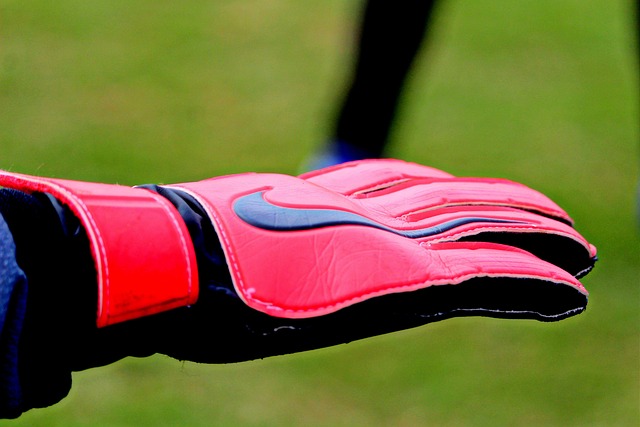
A goalkeeper is the player responsible for protecting a football team’s goal. The position involves more than stopping shots: goalkeepers also catch or punch crosses, communicate with defenders, distribute the ball and make quick decisions under pressure.
The main responsibilities of a goalkeeper
The goalkeeper is the only player who can normally use their hands and arms, but this permission applies only inside their own penalty area. Their central task is to prevent the opposing team from scoring by positioning themselves correctly and reacting to shots.
- Saving shots: The goalkeeper uses their hands, body or feet to stop attempts from close range, distance and one-on-one situations.
- Claiming crosses: They may catch high balls delivered into the penalty area or punch them away when catching is unsafe.
- Defending set pieces: Before corners and free kicks, the goalkeeper helps organize marking assignments and chooses a starting position.
- Communicating: Clear instructions help defenders track runners, hold their line and respond to danger behind them.
- Covering space: A goalkeeper may leave the goal line to intercept through balls or clear the ball before an attacker reaches it.
- Restarting play: Goal kicks, throws and passes allow the goalkeeper to begin an attack and help the team keep possession.
These duties change according to the match situation. A goalkeeper protecting a narrow lead may prioritize secure catches and sensible distribution, while a team chasing a goal may need faster, more aggressive passing.
What skills does a goalkeeper need?
Shot-stopping depends on strong reactions, balance, footwork and hand technique. Good positioning is just as important as athletic ability. By standing in the right place, a goalkeeper can reduce the angle available to the shooter and make saves less difficult.
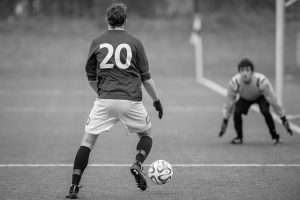
Goalkeepers also need to judge when to stay on the goal line and when to come off it. Moving too early can leave the net exposed, while waiting too long can give an attacker an easy finish. In one-on-one situations, the goalkeeper often tries to narrow the angle and remain upright for as long as possible.
Modern goalkeepers are expected to be comfortable with the ball at their feet. They may act as a passing option for defenders, switch play with a long kick or find a midfielder with a short pass. This role is sometimes described as a sweeper-keeper because the player helps defend space outside the penalty area.
Mental skills matter too. A goalkeeper may make several important saves but still concede later, so concentration and emotional control are essential. They must also recover quickly from mistakes because an error can lead directly to a goal.
What can a goalkeeper legally do?
Inside their own penalty area, a goalkeeper can handle the ball, catch it and release it by throwing or kicking. They cannot pick up a deliberate kick from a teammate or a throw-in taken directly by a teammate. If they handle the ball outside the penalty area, the normal rules for an outfield player apply.
A goalkeeper is not protected from the laws of the game. They can be penalized for fouls, handball offences, delaying a restart or unsporting behavior. They can also receive yellow or red cards, just like other players.
When the goalkeeper has control of the ball with their hands, an opponent cannot challenge them unfairly or attempt to kick the ball away. At the same time, the goalkeeper must release the ball within the time allowed by the Laws of the Game.
Why the goalkeeper is important to a team
A reliable goalkeeper can prevent goals, calm the defense and give teammates confidence. Their positioning and communication affect how the entire back line defends. Their distribution also influences how quickly a team can move from defending to attacking.
The position combines physical techniques, tactical awareness and decision-making. That is why a goalkeeper’s performance is measured not only by saves, but also by claims, passes, communication, positioning and choices made before the shot is taken.