
How to Improve Your Tennis Backhand: Technique, Drills and Match Tips
Build a more reliable tennis backhand with practical advice on grip, preparation, contact point, footwork, two-handed and one-handed technique, plus drills you can use on court.
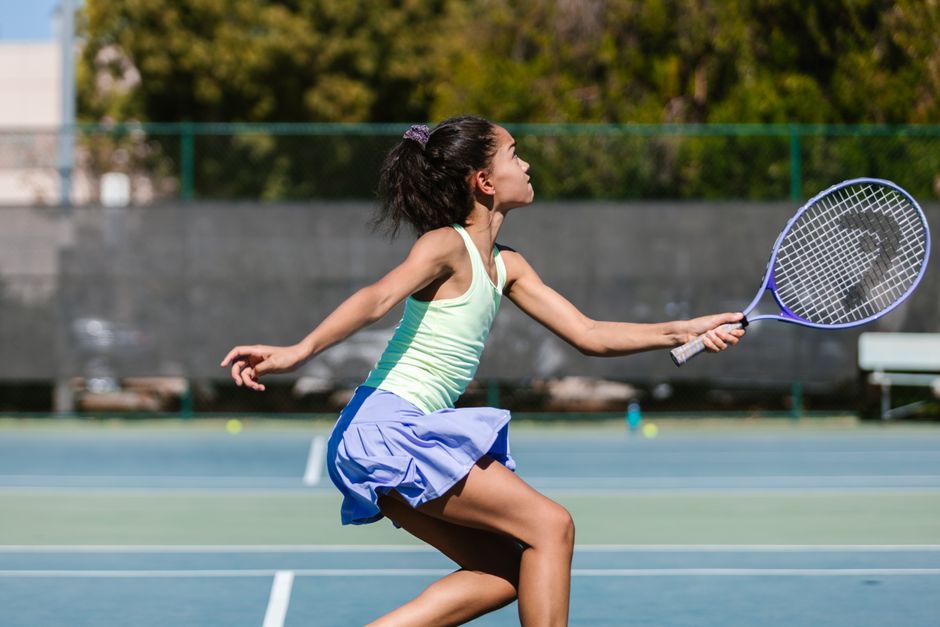
Improving your tennis backhand starts with better preparation, balanced footwork and a repeatable contact point. A strong backhand does not need to be powerful immediately. First, make the stroke stable enough to handle pace, height and direction. Then add speed, spin and variation.
Build a reliable backhand technique
Watch the ball early and turn your shoulders as soon as you recognize that it is traveling toward your backhand side. This unit turn helps the racket prepare without rushing the swing. Keep your head still and use small adjustment steps to position your body behind the ball.
Use the right grip and preparation
For a two-handed backhand, the dominant hand commonly starts near a continental position while the non-dominant hand supplies much of the control and acceleration. Your exact grip can vary, but both hands should work together rather than allowing the lower hand to steer the entire stroke.
For a one-handed backhand, use a comfortable eastern backhand grip and turn the shoulders fully. The racket should prepare with the hitting arm relaxed, while the non-hitting hand supports the racket and helps maintain a stable takeback.
Find a consistent contact point
Contact should generally be in front of the body and to the side of your hitting hip. On a two-handed backhand, avoid letting the ball get too close because this limits rotation and racket-head speed. On a one-handed backhand, create enough space to extend the arm toward the target without reaching.
Strike the ball around waist height whenever possible. Low balls require more knee bend and a lower racket path, while high balls may require earlier contact, a shorter backswing or a step inside the court. Do not rely on your arm alone; push from the legs and rotate the trunk through the shot.
Control the swing path and finish
For a topspin backhand, swing from low to high while moving forward through the ball. The racket face should remain stable at contact rather than opening or closing dramatically. Finish with the chest facing the intended target and maintain balance after the stroke.
A backhand slice uses a different path: the racket travels from high to low with a controlled forward motion. Keep the racket face slightly open and avoid chopping down sharply. A good slice stays low, travels deep and gives you time to recover.
Footwork and backhand drills that transfer to matches
Many backhand errors begin with poor positioning rather than faulty swing mechanics. Start from a neutral split step, move with short steps and finish with your weight balanced. If the ball is wide, use a crossover or side-step pattern to reach it, then recover immediately toward the centre of the court.
Shadow swings
Perform slow shadow backhands without a ball. Begin in a ready position, split step, turn the shoulders, move into position and swing to a balanced finish. Complete 10 to 15 repetitions on each side, focusing on the same preparation and contact spacing every time.
Drop-feed contact drill
Stand near the service line and drop the ball in front of your backhand side. Hit controlled cross-court shots at around half speed. Concentrate on meeting the ball in front, using your legs and finishing in balance. Move gradually toward the baseline as your contact becomes reliable.
Backhand cross-court consistency drill
Have a partner feed steady balls to your backhand. Aim cross-court with a safe net clearance and enough height to keep the ball deep. Count how many balls you can land in the target area before making an error. Increase pace only after you can maintain control.
Movement and recovery drill
Start in the centre of the baseline while a partner alternates between a backhand ball and a ball closer to the middle. Split step before each feed, move efficiently, hit with control and return to your recovery position. This links backhand technique with the footwork required during a real rally.
Fix common tennis backhand problems
- Late contact: Turn earlier, shorten the takeback and use adjustment steps instead of waiting for the ball.
- Backhand into the net: Bend the knees, aim higher over the net and continue the racket through the target.
- Ball flying long: Check the racket face at contact and reduce the swing speed until your spacing improves.
- Weak shots against fast balls: Prepare sooner, use a compact backswing and redirect the incoming pace.
- Pulling the ball wide: Keep the head steady and make contact farther in front rather than swinging across the body too early.
- Loss of balance: Use smaller steps, avoid lunging and finish with your weight moving toward the shot.
How to make the backhand effective in matches
Choose a reliable rally target before trying to hit winners. A deep cross-court backhand is usually a safer starting pattern because it gives you more court length and a higher margin over the net. Change direction down the line only when you are balanced and have enough time to prepare.
Against a heavy topspin ball, take the ball earlier, move back, or use a higher contact point rather than standing too close and swinging late. Against a low slice, stay patient, lower your centre of gravity and drive through the ball instead of lifting only with the wrist.
Record a few minutes of practice from behind and from the side. Check whether your shoulders turn early, whether contact is in front and whether you recover after the shot. Work on one technical change at a time, then test it through cooperative rallies before using it under match pressure.