
Betting Exchange vs Bookmaker: How the Two Models Differ
Betting exchanges and bookmakers price markets differently. Learn how back and lay bets, margins, liquidity, commission, and payouts compare.
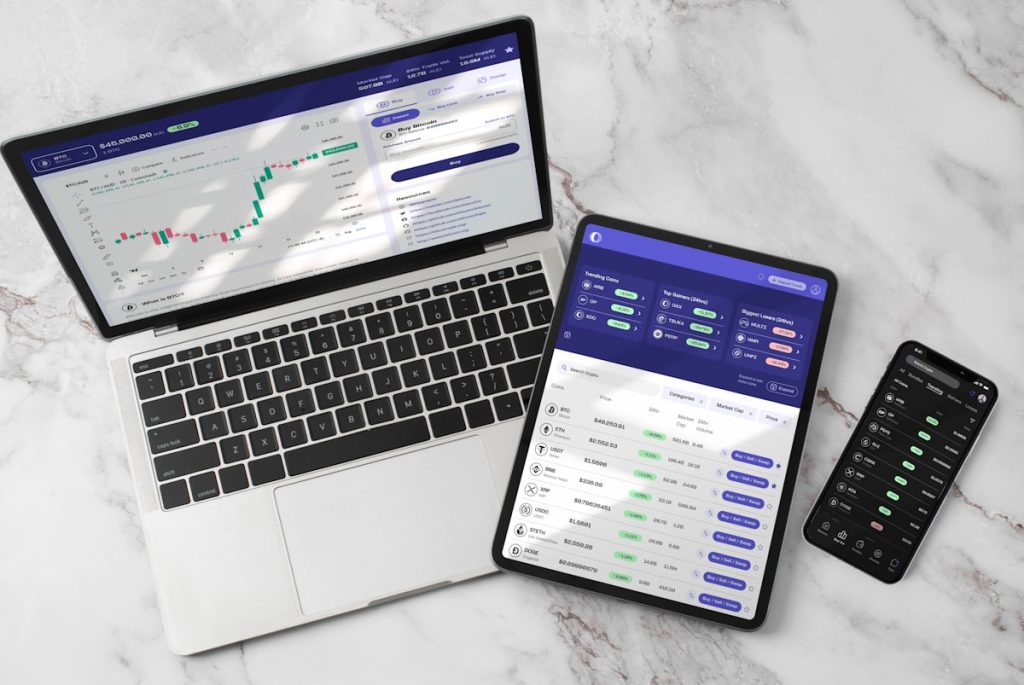
The biggest difference between a betting exchange and a bookmaker is who stands on the other side of your wager. A bookmaker accepts the bet and takes the market risk. An exchange matches you with another customer, while the platform usually charges commission on qualifying winnings.
How a bookmaker works
With a traditional bookmaker, you choose an outcome and accept the odds displayed by the operator. If you bet on a football team to win at 2.00 decimal odds, the bookmaker is effectively offering a fixed price for that selection. Your potential return is calculated from the stake and the quoted odds, subject to the operator’s rules.
Bookmaker odds normally include a margin, sometimes called the overround or house edge. The implied probabilities of all possible outcomes add up to more than 100%, giving the bookmaker a mathematical advantage over the long term. That margin can vary by sport, market, event popularity, and how much competition exists between operators.
The bookmaker controls which markets to offer, how prices move, and whether a particular bet is accepted. Prices may change before a bet is confirmed, and an operator may apply limits or restrictions under its own terms. The process is generally straightforward because there is no need to find an opposing customer.
How a betting exchange works
A betting exchange is a marketplace for wagers. Instead of betting directly against the platform, you usually place a bet that is matched with another participant. The exchange provides the technology, displays available prices, and settles matched bets according to its rules.
Exchange betting has two basic positions. A back bet supports an outcome, such as backing a team to win. A lay bet opposes it, meaning the bettor accepts liability if that outcome wins. In a lay bet, the liability is the amount that could be lost, while the potential profit is linked to the opposing odds and the lay stake.
A bet is not always matched immediately. The price and amount available depend on market liquidity, which refers to the money waiting at different odds. Popular events often have deeper markets, while minor competitions can have limited selections, wider price gaps, or unmatched orders.
Betting exchange vs bookmaker odds
Exchange odds can look more attractive than bookmaker prices because the exchange model may involve a smaller built-in margin. However, the comparison is not complete until commission is included. Most exchanges deduct a percentage from net winnings on a market, although the rate and calculation method differ between platforms and customer accounts.
Bookmaker odds are easier to read because the displayed price normally represents the return before any special promotion terms. Exchange prices require more attention to the available amount, whether the order is fully matched, and the commission that applies after settlement.
A simple comparison should therefore consider the final return rather than the headline odds alone. The same outcome may show a higher exchange price but produce a similar net result after commission, or it may be unavailable at the desired stake because the market lacks liquidity.
Liquidity, speed, and market availability
Bookmakers can accept a bet from their own balance sheet, so a customer does not need to wait for another bettor. An exchange can offer more flexibility in price, but only where someone is willing to take the other side. This difference matters most in less popular sports, lower-profile leagues, and markets close to their start time.
Bookmakers often provide a broad range of ready-made markets, including player props, in-play selections, and promotional specials. Exchanges may have strong coverage in major events but fewer options in niche markets. In-play exchange betting can also involve delays, suspended markets, and rapid price changes.
Which option suits different bettors?
A bookmaker may appeal to someone who values a simple bet slip, fixed displayed odds, and immediate acceptance. An exchange may suit someone who wants to compare opposing prices, place lay bets, or manage an order in a more market-based environment.
Neither model guarantees better results. The outcome still depends on the event, the price taken, the rules of the market, and the bettor’s decisions. Exchange users must understand liability and unmatched bets, while bookmaker customers should check settlement rules, limits, price changes, and any applicable terms.
Availability, licensing, taxation, payment methods, and account restrictions vary by country. Before using either service, check that betting is legal in your location and review the operator’s current conditions. Gambling should be treated as paid entertainment, not as a source of income; set a budget, avoid chasing losses, and use local responsible-gambling support if betting stops feeling controlled.