What Is a Penalty Kick in Football? Rules, Procedure and Common Offences
A penalty kick is a direct scoring opportunity awarded when a defending player commits a direct-free-kick offence inside their own penalty area. Learn how it is taken, where players must stand, and what happens when the rules are broken.
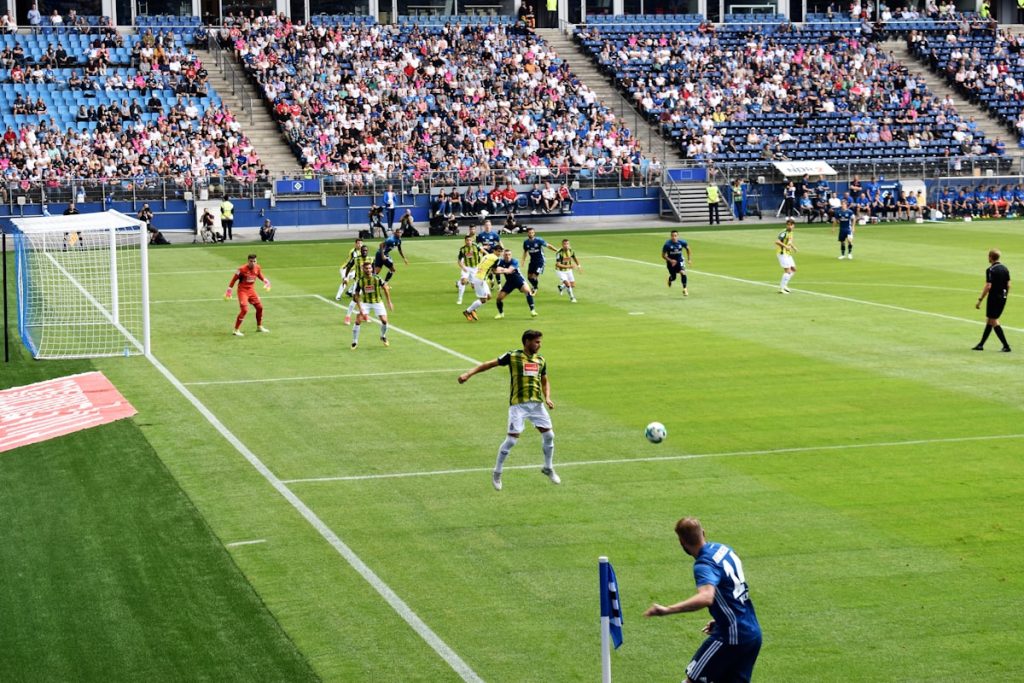
A penalty kick in football is a restart awarded to the attacking team when a defending player commits an offence punishable by a direct free kick inside the defender’s own penalty area. It gives one attacking player a shot at goal from the penalty mark, with only the goalkeeper allowed to defend the kick.
How a penalty kick is awarded
The referee awards a penalty when a defending player commits a direct-free-kick offence inside the team’s penalty area while the ball is in play. Examples include kicking, tripping, pushing, striking, handling the ball deliberately, or making an illegal challenge against an opponent.
The offence must meet the normal requirements for a direct free kick. Accidental contact is not automatically a penalty, and not every foul near the penalty area occurs inside it. The location of the offence matters: a direct-free-kick offence just outside the area results in a free kick, while the same offence inside the area can result in a penalty kick.
A penalty may also be awarded after a video assistant referee review where VAR is in use. The review can examine whether an offence occurred, whether it took place inside the penalty area, and whether the referee’s original decision involved a clear and obvious error.
Penalty kick rules and player positions
The ball is placed on the penalty mark, which is 11 metres from the midpoint of the goal line. The player taking the kick must be clearly identified to the referee. The ball must be stationary before the kick, and it must be kicked forward.
The goalkeeper must remain on the goal line between the goalposts, facing the kicker, until the ball is kicked. Under the modern Laws of the Game, the goalkeeper must have at least part of one foot touching, level with, or behind the goal line at the moment of the kick. The goalkeeper may move along the line but cannot move forward early to gain an unfair advantage.
All other players must be:
- Inside the field of play;
- Outside the penalty area;
- Behind the penalty mark; and
- At least 9.15 metres from the penalty mark.
These restrictions prevent players from entering the area early and gaining an advantage from a rebound or a saved shot. Players can move into the penalty area once the ball has been kicked and clearly moves.
What happens during and after the kick
The penalty kick is completed when the ball stops moving, goes out of play, or the referee stops play for an offence. The kicker cannot touch the ball a second time until another player has touched it. If the ball rebounds from the goalkeeper, goalpost, or crossbar, the kicker may play it again because another player or the goal equipment has intervened.
A goal can be scored directly from a penalty kick. If the ball enters the opponents’ goal, the goal is awarded, provided no relevant offence has invalidated the kick. If the ball goes directly into the kicker’s own goal, the opposing team receives a corner kick rather than an own goal from the penalty.
If the ball enters the opponents’ goal after touching the goalkeeper, a goalpost, or the crossbar, the goal normally counts. If it misses the goal and then enters the kicker’s own goal after a rebound from the goalkeeper, the restart is a corner kick. A penalty kick cannot produce an offside offence because offside does not apply directly from a penalty kick.
Infringements and retakes
The outcome of an infringement depends on who broke the rules and whether the kick resulted in a goal. If the goalkeeper infringes and the kick is saved or misses the goal, the kick is generally retaken. If the goalkeeper’s infringement has a clear impact and the ball enters the goal, the goal usually stands, although the goalkeeper may be cautioned for the offence.
If the kicker or a teammate infringes and the ball enters the goal, the goal is disallowed and an indirect free kick is awarded to the defending team. If the infringement occurs but the ball does not enter the goal, the referee normally stops play and awards an indirect free kick to the defending team.
If players from both teams infringe at the same time, the kick is retaken unless one offence is more serious. A player who performs an illegal feint after completing the run-up can be cautioned and the defending team receives an indirect free kick. Stopping during the run-up is not automatically illegal; the relevant issue is whether the kicker illegally feints after the run-up has been completed.
Penalty kick, penalty shootout and free kick
A match penalty kick is different from a penalty shootout. During normal play, a penalty kick is awarded because of a specific defending offence and can be taken with teammates positioned around the penalty area. In a shootout, kicks are used to decide a drawn knockout match after the permitted extra time, and players take turns from the penalty mark under a separate procedure.
A penalty kick is also different from a free kick. A direct free kick can be taken from the location of the offence and can score directly, while an indirect free kick requires another player to touch the ball before a goal can count. A penalty kick always comes from the penalty mark and is taken under the special positioning rules described above.
Common misconceptions about penalty kicks
A penalty is not automatically awarded whenever a defender touches an attacker inside the penalty area. The referee must decide that a punishable offence occurred. Similarly, a defender’s contact with the ball does not make a challenge legal if the player also commits a careless, reckless, or excessive-force offence.
The penalty taker does not have to shoot immediately after the whistle, but the referee controls when the kick may be taken. The kicker may pass the ball to a teammate, provided the ball is kicked forward and the teammate was correctly positioned before the kick. A famous example is a disguised forward pass, although it is rarely used because the defending team can challenge once the ball moves.
In practical terms, a penalty kick combines a scoring chance with strict restrictions designed to preserve fairness. The referee must judge the original offence, monitor the goalkeeper and players before the kick, and apply the correct restart if anyone infringes the procedure.