
How to Choose a Sport That Fits Your Goals and Lifestyle
Learn how to choose a sport by comparing your goals, interests, fitness level, schedule, budget, personality, and access to suitable facilities or clubs.
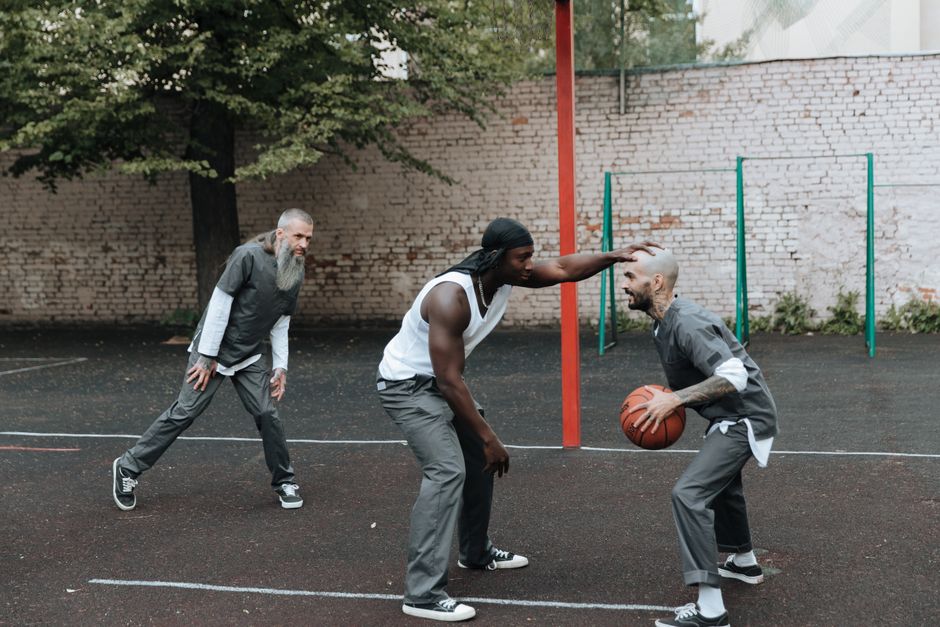
Choosing a sport is easier when you match the activity to your goals, daily routine, interests, and physical needs. The best sport is not necessarily the most popular one or the hardest to play. It is the activity you can enjoy, access regularly, and continue safely over time.
Start with Your Main Reason for Playing
Define what you want from sport before comparing specific activities. Your priority might be improving cardiovascular fitness, building strength, losing weight, learning a skill, meeting people, competing, or simply having an enjoyable way to spend free time.
For general fitness, activities such as swimming, cycling, running, rowing, football, and basketball can raise your heart rate. Strength-focused options include weight training, climbing, gymnastics, wrestling, and some martial arts. If your main aim is social interaction, team sports, dance classes, doubles tennis, and community leagues may be a better fit than exercising alone.
Many people have more than one goal. For example, someone who wants exercise and social contact might prefer volleyball, while a person seeking stress relief may enjoy swimming, yoga, walking, or recreational cycling.
Compare Sports with Your Lifestyle
A sport should fit your available time rather than depend on an unrealistic schedule. Check how long it takes to travel to practice, how often sessions are held, and whether you can participate during the seasons or times that suit you.
- Limited time: running, home strength training, swimming, and short court sessions can be easier to schedule.
- Regular evenings or weekends: football, rugby, basketball, cricket, tennis, and organised martial arts classes may work well.
- Changing work or family commitments: flexible individual activities can be simpler than a team with fixed attendance requirements.
- Outdoor preference: hiking, cycling, running, rowing, and field sports provide time outside, although weather and daylight may affect access.
Also consider the practical cost. Equipment, coaching, transport, membership fees, court hire, and competition expenses vary widely. Borrowing equipment or attending a trial session can help you test a sport before making a larger commitment.
Match the Sport to Your Personality
Your preferred environment often determines whether you keep playing. Team sports suit people who enjoy shared tactics, communication, and group energy. Individual sports can appeal to those who prefer setting their own pace and measuring personal progress. Some activities offer both options: tennis, swimming, cycling, running, and combat sports can be pursued recreationally or competitively.
Think about the type of challenge you find rewarding. Fast games such as basketball, hockey, and football demand quick decisions and repeated changes of direction. Endurance activities such as distance running, cycling, and swimming emphasise pacing. Technical sports, including golf, archery, climbing, and tennis, reward concentration and repeated practice.
Consider Your Current Fitness and Health
You do not need to be highly fit before starting a sport, but the starting demands should be appropriate. A beginner can often build gradually through walking, easy cycling, swimming, beginner classes, or modified versions of team sports. A qualified coach can adjust drills, intensity, and equipment for new participants.
If you have an injury, a long-term medical condition, or concerns about exercise, ask a healthcare professional which activities and intensity levels are suitable. Pay attention to pain, unusual breathlessness, dizziness, or persistent swelling, and stop exercising when something feels unsafe rather than trying to push through it.
Age, mobility, previous injuries, and confidence also matter. Low-impact activities such as swimming, cycling, rowing, walking, and carefully supervised strength training may reduce stress on joints, although every sport has different technical and physical demands.
Try Several Sports Before Deciding
A short trial is often more useful than choosing from a description. Attend an introductory class, use a community facility, join a beginner session, or ask a club whether visitors can observe practice. Notice how you feel during and after the activity, not just whether you perform well immediately.
Use these questions after each trial:
- Did I enjoy the actual activity, not only the social setting?
- Could I attend often enough to improve?
- Did the coach or club create a welcoming and safe environment?
- Are the cost, travel, equipment, and time requirements manageable?
- Can the activity be adapted as my skill or fitness changes?
Expect some awkwardness at the beginning. A sport may be a good choice even if your first session is difficult, provided the learning process is enjoyable and the environment supports beginners.
Choose a Sport You Can Sustain
Enjoyment and convenience usually matter more than finding the theoretically perfect exercise. A nearby club that you attend consistently is likely to provide more benefit than an ideal activity that requires a long journey and is difficult to schedule.
Set a simple starting commitment, such as one or two sessions a week for a month. Reassess your enjoyment, energy, progress, and practical costs after that period. You can change sports, combine activities, or keep a seasonal option if your interests and routine change.
The right choice is a sport that matches your goals, feels safe at your current level, fits your circumstances, and gives you a reason to return.