What Is a Holding Midfielder in Football?
A holding midfielder protects the defence, controls central space and helps move the ball from the back line into attack. Learn the role, responsibilities and key skills required.
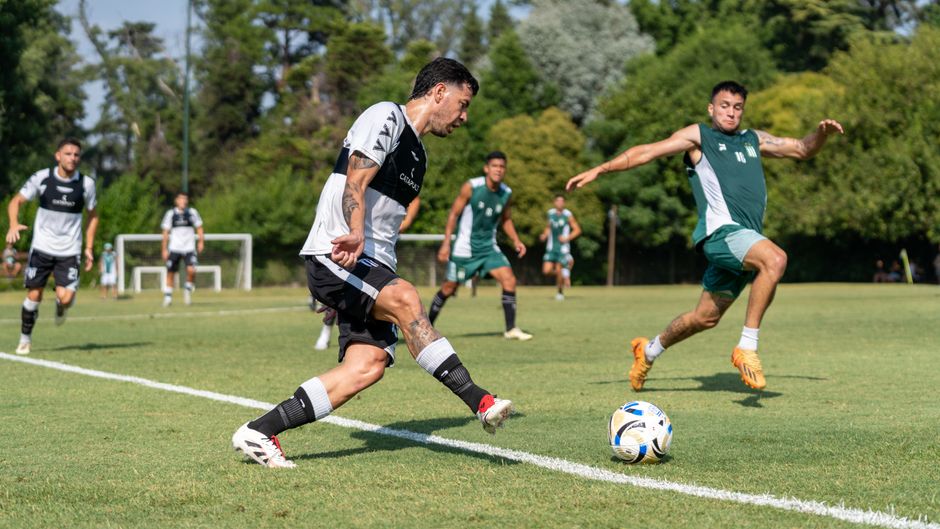
A holding midfielder is a central midfielder whose main responsibility is to protect the defence and provide balance to the team. Often called a defensive midfielder or a number six, this player operates in front of the centre-backs and helps the team keep its shape when attacking and defending.
The role is not limited to making tackles. A good holding midfielder reads the game, closes dangerous spaces, receives the ball under pressure and chooses when to slow down or accelerate play.
What does a holding midfielder do?
The exact duties depend on the manager’s system, but the position usually combines defensive awareness with reliable passing.
- Protects the back four: The holding midfielder stays close enough to the defenders to block passes into the striker or attacking midfielders.
- Tracks central threats: They monitor opponents who move between the midfield and defensive lines, reducing the space available for shots and final passes.
- Wins possession: Interceptions, tackles and recoveries are central parts of the job, although timing is often more valuable than aggressive challenges.
- Starts attacks: After regaining the ball, the player can pass to a full-back, centre-back or advanced midfielder to begin the next phase.
- Controls the tempo: Short passes can help the team retain possession, while a longer diagonal ball may quickly change the point of attack.
- Covers teammates: When a full-back or central midfielder moves forward, the holding midfielder may drop into the vacant space.
Where does a defensive midfielder play?
A holding midfielder usually plays centrally, directly ahead of the centre-backs. In a 4-3-3 formation, there is often one player in this position behind two more advanced midfielders. In a 4-2-3-1 system, two deeper midfielders may share the defensive workload, with one staying deeper while the other supports the attack.
The position can change during a match. A holding midfielder may drop between the centre-backs during build-up, move alongside them to create a back three or push higher to press an opposing playmaker. These movements depend on the team’s formation, the score and the location of the ball.
Holding midfielder vs central midfielder
A central midfielder is a broad term for a player who operates through the middle of the pitch. A holding midfielder is a more specific role within that area.
Central midfielders may be expected to make forward runs, create chances, carry the ball or arrive in the penalty area. A holding midfielder generally prioritises defensive cover, positioning and circulation from deeper areas. Some players can perform both roles, but their responsibilities change depending on where they are positioned and what the team needs.
The position is also different from a box-to-box midfielder. A box-to-box player normally covers large distances between both penalty areas, while a defensive midfielder spends more time protecting the space in front of the defence.
Skills of an effective holding midfielder
Strong positioning is often the most important quality in the role. A player who anticipates danger can prevent an attack before a tackle becomes necessary.
- Awareness: Checking the position of opponents and teammates before receiving the ball.
- Interception: Reading passing lanes and stepping in at the right moment.
- Composure: Staying calm when pressed near the defensive line.
- Passing range: Combining safe short passes with switches of play when space opens on the other side.
- Communication: Directing teammates and warning defenders about runners.
- Discipline: Avoiding unnecessary fouls and maintaining the team’s defensive structure.
- Physical timing: Using strength and balance effectively without relying on reckless challenges.
Why the role matters to a football team
A holding midfielder connects defensive stability with possession. Without that protection, centre-backs may face direct pressure and attacking full-backs can leave large gaps behind them. With a disciplined player in front of the defence, teammates often have more freedom to move forward.
The role is especially valuable against teams that attack through the middle. By screening the defence and closing passing lanes, the number six can force opponents toward wider areas, where the team may find it easier to defend.
In possession, the player also gives defenders a dependable passing option. This can help a team escape pressure, maintain control and build attacks without immediately sending the ball forward.