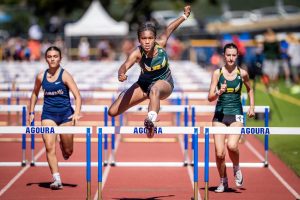
How to Become a Better Athlete: Training, Recovery, and Performance Habits
Learn how to become a better athlete by improving training quality, movement skills, nutrition, recovery, and mental preparation.
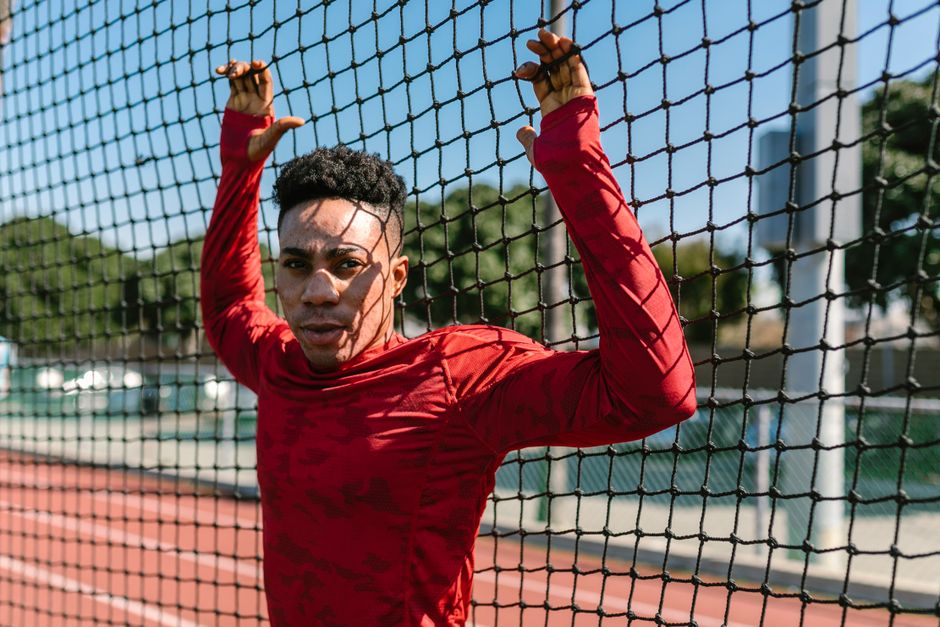
Becoming a better athlete is not about training as hard as possible every day. Consistent progress comes from combining purposeful practice, strength and conditioning, quality recovery, good nutrition, and regular feedback. The right plan depends on your sport, age, experience, schedule, and injury history, but the basic principles are widely applicable.
Build the physical qualities your sport requires
Start by identifying the demands of your sport. A football player may need acceleration, repeated sprint ability, strength in contact, and aerobic fitness. A basketball player may need jumping power, lateral movement, coordination, and conditioning. A distance runner will place greater emphasis on aerobic capacity, running economy, and fatigue resistance.
Use this assessment to shape your athletic training rather than copying another athlete’s routine. A balanced program commonly includes:
- Strength: Build the ability to produce and control force through movements such as squats, hinges, presses, pulls, lunges, and carries.
- Power: Add appropriately coached jumps, throws, or short explosive movements to improve force production and speed.
- Speed and agility: Practice acceleration, deceleration, changes of direction, and sport-specific footwork while fresh.
- Energy-system fitness: Combine easy aerobic work with intervals that match the effort and rest patterns of your sport.
- Mobility and control: Develop usable range of motion, balance, stability, and coordination instead of stretching without a clear purpose.
Progress gradually by changing one or two variables at a time, such as training volume, resistance, distance, or intensity. Keep a record of sessions, performance, soreness, sleep, and any pain. This training log can reveal whether you are improving or accumulating too much fatigue.
Improve technique through deliberate practice
Fitness cannot fully compensate for inefficient technique. Set a specific objective for each practice session, such as improving first-touch control, sprint posture, shooting mechanics, passing accuracy, or defensive positioning. Focused repetition is more useful than performing a large number of unfocused drills.
Break difficult skills into manageable parts, then gradually add speed, pressure, movement, and decision-making. For team sports, practice in situations that resemble competition. For individual sports, include realistic pacing, equipment, surfaces, and environmental conditions.
Video feedback, a qualified coach, or a trusted training partner can help identify details that are difficult to notice alone. Review one or two technical priorities at a time so feedback becomes practical rather than overwhelming.
Recover well so training can work
Training provides a stimulus, but adaptation happens during recovery. Most athletes benefit from a consistent sleep schedule and enough sleep to feel rested during the day. Teenagers and athletes with heavy workloads may need more sleep than the usual adult recommendation.
Schedule easier sessions and rest days instead of treating every workout as a test. Light movement, easy cycling, walking, mobility work, and low-intensity technical practice can support recovery when they do not add significant fatigue. Persistent soreness, declining performance, irritability, poor sleep, or unusual tiredness may indicate that your workload needs adjustment.
Pain is different from normal training discomfort. Stop an activity that causes sharp, worsening, or persistent pain and seek advice from a qualified medical professional or sports physiotherapist.
Fuel performance with consistent nutrition
Sports nutrition does not need to be complicated. Eat enough total energy to support training, include carbohydrates for demanding sessions, consume regular protein sources, and add fruits, vegetables, and healthy fats. Water is usually sufficient for shorter sessions, while longer or hotter workouts may require additional fluids and electrolytes.
A meal or snack containing carbohydrate and protein after training can support replenishment and muscle repair. Avoid making major dietary changes based on social media advice. Weight-loss diets, supplements, and restrictive eating can reduce training quality and increase injury risk, particularly for young athletes.
Develop the mental side of athletic performance
Better athletes learn to manage attention, pressure, and setbacks. Set process goals that you can control, such as completing a technical cue, maintaining a target pace, or communicating consistently with teammates. Outcome goals can provide direction, but daily habits create the progress.
Use a short pre-performance routine to settle your focus. It might include breathing, a movement warm-up, a technical reminder, and a clear first action. After competition, review what worked, what needs improvement, and what you will change at the next session. Treat mistakes as information rather than evidence that you cannot improve.
Use a sustainable weekly training structure
A productive week balances hard work with enough recovery. Avoid placing several demanding sessions back to back unless your coach has planned that workload. A general schedule might include sport practice, two strength sessions, one or two speed or power sessions, easier aerobic work, and at least one genuine recovery period. The exact arrangement should reflect your sport calendar and current fitness.
Warm up before intense activity with progressive movement, mobility, and sport-specific actions. Finish by noting how the session felt and whether the planned workload was appropriate. Reassess your goals every few weeks and adjust training when school, work, travel, competition, illness, or stress changes your available recovery.
The most reliable way to become a better athlete is to repeat high-quality work for months, not to chase exhaustion in a single week. A qualified coach can help tailor exercise selection, workload, technique, and return-to-play decisions to your needs.