
Most Popular Sports in the World: A Global Ranking by Reach and Following
Discover which sports have the largest worldwide audiences, participation bases, and cultural influence—from football and cricket to basketball, tennis, volleyball, and motorsport.
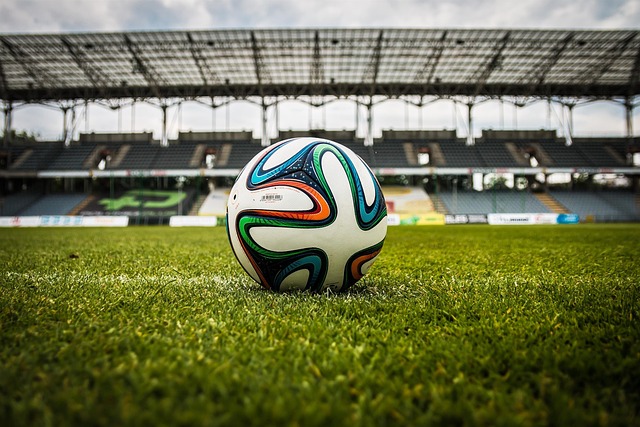
The most popular sports in the world are not ranked by one universal measurement. Television audiences, social media interest, participation, attendance, professional revenues, and geographic reach can produce different results. Even so, a small group of sports consistently dominates global attention.
Association football—also called soccer—is the clearest worldwide leader. Cricket, basketball, tennis, volleyball, baseball, golf, rugby, and motorsport also have substantial international followings, although their popularity varies considerably by region.
1. Football is the world’s most popular sport
Football has the broadest global footprint of any sport. It is played professionally and recreationally across Europe, Africa, Asia, North America, South America, and Oceania. The rules are relatively simple, equipment requirements are modest, and a match can be played on many types of fields.
International competitions such as the FIFA World Cup attract enormous audiences, while domestic leagues including the English Premier League, La Liga, Serie A, the Bundesliga, and Ligue 1 command large followings outside their home countries. The UEFA Champions League and major continental tournaments add another layer of worldwide interest.
Football’s popularity is also supported by its strong local identity. National teams, historic clubs, youth academies, supporter groups, and neighborhood matches make the sport part of everyday life for millions of people.
2. Cricket has a huge following across South Asia and beyond
Cricket is one of the most watched sports in the world, particularly in India, Pakistan, Bangladesh, Sri Lanka, Afghanistan, Australia, England, South Africa, and New Zealand. Its global audience is concentrated more heavily in specific regions than football’s, but those markets are exceptionally large and deeply engaged.
The sport has several formats. Test cricket is known for long matches and traditional tactics, while One Day Internationals and Twenty20 cricket offer shorter contests. T20 leagues, especially the Indian Premier League, have expanded cricket’s broadcast appeal and introduced the sport to new audiences.
International rivalries are a major part of cricket’s appeal. Matches between India and Pakistan, the Ashes series between England and Australia, and global tournaments regularly generate intense public interest.
3. Basketball continues to grow worldwide
Basketball combines a strong professional entertainment product with widespread participation in schools, parks, and community leagues. The National Basketball Association has helped make the sport highly visible around the world through international broadcasts, digital content, and globally recognized players.
The sport is particularly influential in the United States, Canada, the Philippines, China, parts of Europe, and several African countries. The FIBA Basketball World Cup, Olympic competition, EuroLeague, and domestic leagues contribute to its international reach.
Basketball is also well suited to urban environments because it can be played on a relatively small court. That accessibility has helped street basketball and organized youth programs spread across many countries.
4. Tennis has one of the broadest individual-sport audiences
Tennis is a major global sport with strong professional tours, historic events, and a large recreational player base. The four Grand Slam tournaments—the Australian Open, French Open, Wimbledon, and US Open—attract viewers from nearly every major sports market.
Unlike team sports, tennis gives fans a direct connection to individual players and rivalries. Ranking points, head-to-head records, playing surfaces, and national representation all help sustain interest throughout the season.
Tennis is popular across Europe, North America, Australia, Asia, and Latin America. Its professional audience is especially international because the leading tournaments are held in different regions and played on different court surfaces.
5. Volleyball is one of the most widely played sports
Volleyball has a large participation base in schools, clubs, beaches, and recreational leagues. Indoor volleyball is especially established in Europe, Asia, and South America, while beach volleyball has a strong international profile through the Olympic Games and professional tournaments.
The sport requires limited equipment and can be adapted to different settings. This helps explain its popularity in countries where other sports may require more space, facilities, or expensive equipment.
Volleyball’s international structure also supports its reach. National teams compete in world championships, continental tournaments, and the Olympics, giving the sport a regular global competition calendar.
Other sports with major worldwide followings
Baseball and softball
Baseball is deeply rooted in the United States, Japan, South Korea, Taiwan, Cuba, the Dominican Republic, Venezuela, and several other countries in the Americas and Asia. Major League Baseball remains a powerful sports brand, while international tournaments have expanded interest in national teams. Softball has a particularly strong recreational and women’s participation base.
Golf
Golf has a large following in North America, Europe, East Asia, Australia, and parts of the Middle East. The Masters, US Open, The Open Championship, and PGA Championship are among the sport’s most recognizable events. Golf also benefits from a substantial amateur market and extensive course networks.
Rugby
Rugby union is especially popular in New Zealand, South Africa, Australia, England, Wales, Ireland, France, Scotland, Argentina, and parts of the Pacific. Rugby league has a strong following in Australia, northern England, and New Zealand. The Rugby World Cup is the sport’s leading global event.
Motorsport
Motorsport attracts international audiences through Formula 1, MotoGP, NASCAR, the World Rally Championship, and endurance racing. Formula 1 has particularly strong followings in Europe, the Middle East, Asia, North America, and Latin America. Interest is driven by technology, team rivalries, national drivers, and the spectacle of live racing.
How to compare the world’s most popular sports
A ranking changes depending on what “popular” means. Football is usually first for worldwide participation, geographic reach, and international recognition. Cricket may rank exceptionally high for television audiences and fan intensity. Basketball has powerful youth and digital appeal, while tennis combines professional viewership with broad recreational participation.
- Global reach: How many countries regularly play, broadcast, or follow the sport?
- Participation: How accessible is the sport for children, amateurs, and community players?
- Audience size: How many people watch major events on television or digital platforms?
- Event influence: Do major tournaments attract attention beyond the sport’s traditional markets?
- Cultural presence: Does the sport shape national identity, local communities, and everyday conversation?
Using these measures together gives a more useful picture than relying on one audience estimate. The exact order after football can change by country and by metric, but football, cricket, basketball, tennis, and volleyball are consistently among the leading sports worldwide.