
What Is Extra Time in Soccer? Rules, Length and Penalties
Extra time in soccer is an additional 30 minutes played after a knockout match is tied at the end of regulation. Learn how it works, when it is used, and what happens if the score remains level.
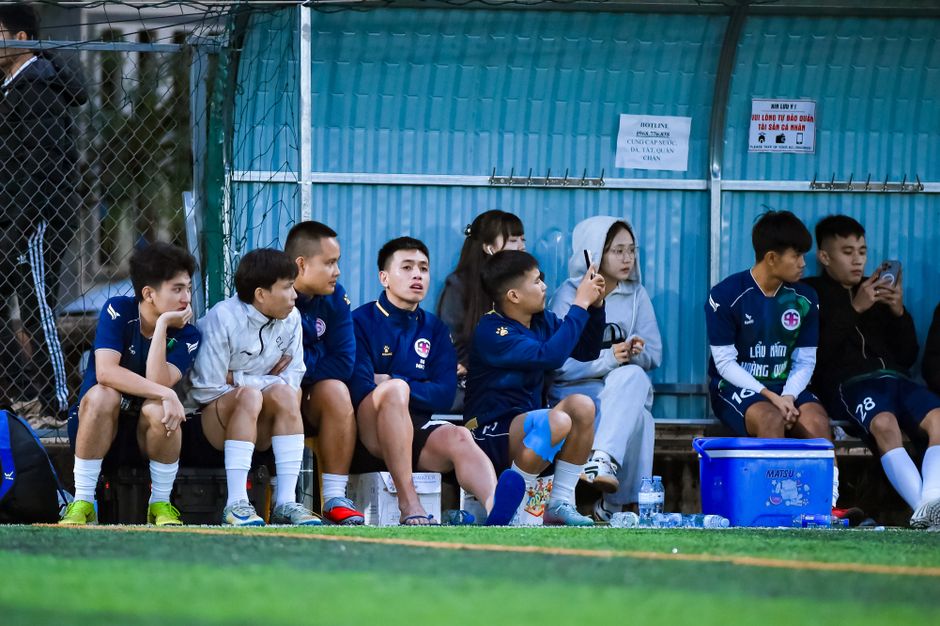
Extra time in soccer is the additional period played when a match must produce a winner but the score is tied after the normal 90 minutes. It usually consists of two 15-minute halves, making 30 minutes in total. If the teams are still level after extra time, the winner is commonly decided by a penalty shootout.
When is extra time used?
Extra time is generally used in knockout competitions, where one team must advance to the next round or win a final. It is not normally used in regular league matches because teams can finish level and share the points.
The competition regulations decide whether extra time is played. Some knockout formats may use a penalty shootout immediately after regulation time, while others require an additional 30 minutes first. The rules can also vary between domestic cups, international tournaments, youth competitions, and other soccer events.
How long is extra time in soccer?
Standard extra time lasts up to 30 minutes:
- First period: 15 minutes
- Second period: 15 minutes
There is normally a short interval between the two extra-time periods. The referee may also add stoppage time for delays such as injuries, substitutions, time-wasting, or other interruptions. This means the clock can run beyond the scheduled 15 minutes in each period.
Extra time is different from stoppage time, also called added time or injury time. Stoppage time is added to the end of each regular 45-minute half, while extra time is a separate period played after the full 90 minutes.
What happens if the match is still tied?
If there is no winning goal by the end of extra time, many competitions use a penalty shootout. Each team initially takes five penalties, with the teams alternating attempts. If the scores are still equal after those attempts, the shootout continues in sudden-death rounds until one team leads after both sides have taken the same number of kicks.
A goal scored during extra time counts normally toward the final score. The match does not automatically end when one team takes the lead. The old “golden goal” system, in which the first extra-time goal ended the match, is not the standard rule in modern senior soccer competitions.
How does extra time affect players and tactics?
Extra time creates another demanding 30 minutes after players have already completed a full match. Fatigue can reduce sprinting, defensive recovery, passing accuracy, and concentration. Coaches may use substitutions to add fresh legs, protect an injured player, strengthen the defense, or introduce a specialist for penalties.
Competition rules may allow additional substitutions during extra time, but the exact number and timing depend on the tournament. Teams must also manage players who are carrying yellow cards, since cautions and other disciplinary decisions can affect the remainder of the match.
Extra time compared with regular time
| Term | Meaning |
|---|---|
| Regulation time | The normal 90 minutes, split into two 45-minute halves. |
| Stoppage time | Additional minutes added to the end of a half for delays. |
| Extra time | Two additional 15-minute periods used in some tied knockout matches. |
| Penalty shootout | A method of deciding the winner when the score remains tied after the permitted playing time. |
Does every soccer match have extra time?
No. Extra time is only used when the competition rules require a winner and specify it as the method for breaking a tie. League matches usually end after regulation time plus stoppage time, even if the score is level. In a knockout match, the match regulations will state whether a tied game goes to extra time, directly to penalties, or uses another tiebreaking method.