Basketball Offensive Strategies: Systems, Spacing and Game-Day Adjustments
Learn how effective basketball offenses create good shots through spacing, ball movement, screening, transition play and simple reads against different defensive coverages.
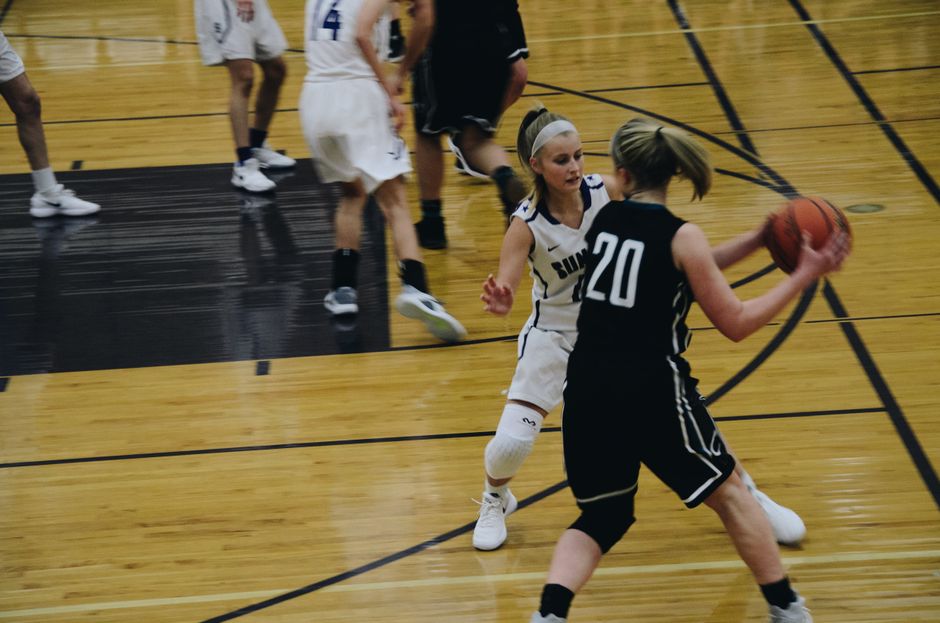
Effective basketball offensive strategies are built around creating advantages, not memorizing a long list of plays. Teams score more consistently when players understand spacing, timing, screening angles and the reads required against each defensive coverage.
The best offensive system for a team depends on its personnel. A roster with quick guards may benefit from pick-and-roll actions and early transition attacks, while a team with a skilled post player can build around inside touches and split cuts. Regardless of the system, the basic goals remain the same: force defensive movement, create open shots and limit empty possessions.
Core principles of a strong basketball offense
Maintain useful spacing
Good spacing makes every action more difficult to defend. Players should avoid standing close together, because crowded areas allow defenders to help on drives and recover to shooters. In a five-out alignment, all five players begin outside the paint. In a four-out, one-in alignment, one interior player occupies the post or short corner while four teammates remain spread around the perimeter.
Spacing also changes during a possession. A player who drives should have a clear lane and passing options on both sides. Perimeter players must drift to open passing windows rather than watching the ball. The exact spots vary by system, but the principle is consistent: occupy defenders without bringing extra defenders toward the ball.
Create advantages before forcing shots
An advantage may come from a defensive closeout, a screen, a mismatch, a transition opportunity or a successful post entry. Once the offense creates that advantage, players should attack the next defensive decision. A drive can lead to a layup, a kick-out pass, a baseline cut or a second side pick-and-roll.
Players should avoid difficult shots taken before the defense has been moved. A contested jumper late in the shot clock may be necessary, but it should not be the first option when a pass, cut or ball reversal can improve the possession.
Move the ball and cut with purpose
Ball movement shifts defenders and exposes gaps. A simple pass-and-cut rule can keep an offense active: after passing, the player cuts through if the lane is open or screens away for a teammate. When the ball is reversed from one side of the court to the other, the defense must communicate and adjust, increasing the chance of a closeout mistake.
Useful cuts include the backdoor cut against an overplaying defender, the basket cut after a post entry and the 45-degree cut from the wing when a teammate drives from the top. Cuts should be timed with the ball movement and should not take away the driving lane.
Common offensive systems and actions
Motion offense
A motion offense uses spacing, passing, cutting and screening rules instead of one fixed sequence. Players read the defense and select the appropriate action. This approach can work well for teams with several capable passers because the defense cannot predict which player will initiate the attack.
Motion principles often include passing and cutting, screening away, replacing an empty perimeter spot and reversing the ball when no advantage appears. Coaches should keep the rules simple enough that players can react quickly rather than pausing to remember the next movement.
Pick-and-roll offense
The pick-and-roll is one of the most versatile half-court basketball plays. A ball handler uses a screen while the screener rolls to the rim, pops to the perimeter or rescreens if the defender prevents the first action. The ball handler must read the coverage rather than automatically attacking the same direction.
Against a drop defender, the ball handler may use a pull-up shot, a pocket pass or a drive at the gap. Against a switch, the offense can attack the mismatch or make the defender guard in space. Against a hedge or trap, a quick pass to the short roll can create a four-on-three advantage.
The screener’s angle and timing matter. A stationary screen that arrives too early gives the defense time to prepare. A well-timed screen forces two defenders to react while teammates remain spaced for kick-out passes.
Post-up and inside-out offense
Post play is most effective when the entry pass is made before the defense can establish strong help position. After the ball enters the post, perimeter players should create passing lanes through purposeful cuts, split actions or well-spaced relocations.
An inside-out attack does not require a post player to score on every touch. A post pass can draw a double team and produce an open three-point attempt, a baseline cut or a pass back to the top. The offense should recognize when the defense is sending help and move the ball before the advantage disappears.
Transition offense
Transition basketball begins with the defensive rebound, steal or blocked shot. The first priority is to advance the ball before the defense gets organized. The ball handler should look ahead for a teammate running to the rim, while the other players fill the lanes and arrive behind the play as safety options.
If an immediate fast break is unavailable, teams can flow directly into early offense. A rim run, drag screen or quick handoff can attack defenders who are still matching up. This is often more efficient than waiting for every player to reach a set position.
How to attack different defensive coverages
Man-to-man defense
Against man defense, the offense should identify the weakest defender and involve that player in screening actions. Back screens, flare screens and pick-and-rolls can force defenders to switch, chase or help. Players must punish overplaying with backdoor cuts and attack poor closeouts with one- or two-dribble decisions.
Zone defense
Zone offense depends on moving defenders rather than simply moving the ball around the perimeter. High-post touches, short-corner positioning and rapid ball reversals can open gaps between defenders. The offense should place a player in the middle of the zone, where that player can turn, shoot, pass to a corner or feed a cutter.
Against a 2-3 zone, the short corner and high post are often valuable areas. Against a 3-2 zone, the baseline and corners may be more available. Patience matters, but standing still allows the zone to remain compact, so every pass should be followed by a cut, screen or relocation.
Press defense and traps
Teams facing full-court pressure need clear outlets and a reliable inbounding structure. The first pass should move the ball away from the strongest trap area when possible. Players should sprint into passing windows, keep the ball in the middle when it is safe and avoid dribbling toward the sideline without an escape route.
Once the press is broken, the offense should attack before the defense can recover. A numerical advantage in the frontcourt is valuable only if the ball is advanced quickly and the team makes the extra pass.
Turning offensive ideas into reliable execution
Players need defined roles within any offensive scheme. The primary ball handler may initiate actions, but wings must know when to cut or space, big players must screen with proper angles, and every player must understand the next pass after a drive. Clear responsibilities reduce hesitation.
Practice should include advantage situations rather than only rehearsing plays against passive defenders. Useful drills include three-on-two transition, pick-and-roll reads against multiple coverages, closeout attacks, post split actions and five-on-five possessions beginning with a specific defensive problem.
Coaches can evaluate an offense by tracking more than points. Paint touches, open-shot creation, turnovers, offensive rebounds, assisted baskets and shot quality reveal whether the system is producing sustainable opportunities. A team that misses an open shot after good execution may be functioning better than a team that scores on repeated contested attempts.
Choosing the right strategy for a team
The most effective offensive plan matches the players available. Teams with strong shooters should use screening and drive-and-kick actions to create space. Teams with athletic finishers can emphasize transition and rim pressure. Teams with a dominant interior scorer may use post entries, high-low actions and inside-out passing.
A successful offense also needs counters. If defenders switch every screen, the team may use slips, post mismatches and off-ball screens. If defenders pack the paint, the offense can increase ball reversals, use shooting lineups or attack the middle of the zone. If the ball handler is trapped, short-roll passing and weak-side movement become essential.
Strong basketball offensive strategies give players structure while leaving room for intelligent decisions. Spacing, purposeful movement and fast recognition of defensive mistakes usually matter more than the number of plays in a team’s playbook.