What Is Traveling in Basketball? Rules, Examples, and the Pivot Foot
Learn what traveling means in basketball, how the gather and pivot foot work, and why some legal moves can look like violations.
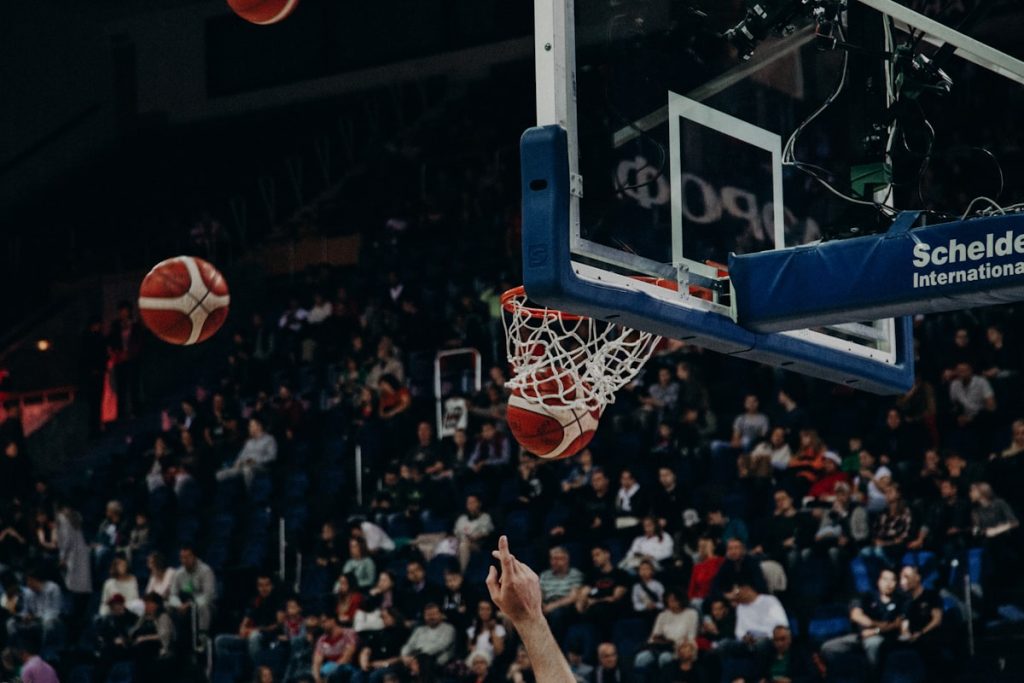
Traveling in basketball is an illegal movement of the feet while a player has control of the ball. The violation usually occurs when a player takes too many steps before dribbling, changes or lifts a pivot foot illegally, or falls and then moves with the ball in a way the rules do not permit. The result is a turnover, with possession awarded to the opposing team.
Understanding traveling requires more than counting steps. Officials judge the moment the player gains control, whether the player is dribbling, which foot becomes the pivot foot, and whether the player is passing or attempting a shot. The exact wording and enforcement can vary between rule sets such as FIBA, the NBA, and amateur competitions, but the underlying principle is consistent: a player cannot freely move across the court while holding the ball.
How the traveling rule works
A player who is standing still may receive the ball and establish a pivot foot. The other foot can move, but the pivot foot must remain in contact with the floor until the player starts a dribble, passes, or shoots. If the pivot foot is lifted and then returned to the floor before the ball leaves the player’s hands, the player has generally traveled.
When a player is moving and catches or gains control of the ball, the rules allow a limited number of steps to stop, pass, or shoot. Modern rule interpretations commonly refer to the first foot that touches the floor after the player gathers control as the first step, sometimes called the zero-step principle in FIBA terminology. A second step may then be used to complete the action. The player cannot add an extra step simply because the movement is fast or difficult to see.
The most relevant moments are:
- Gather: The point at which the player gains control of the ball after dribbling or receives it while moving.
- First step: The first foot to touch the floor after the gather, where the applicable rules count that contact as the first step.
- Second step: The next legal foot contact before the player must pass or shoot.
- Pivot foot: The foot that must stay grounded when a stationary player moves the other foot without dribbling.
Common examples of traveling
Taking extra steps after ending a dribble
A player who ends a dribble may use the permitted steps to stop, pass, or shoot. Continuing beyond those steps while still holding the ball is traveling. This is often seen when a player gathers the ball near the basket and adds an unneeded hop or extra stride before finishing.
Moving the pivot foot illegally
A player may rotate around a planted pivot foot to look for a pass or create space. The pivot foot can turn, but it cannot be lifted and placed back on the floor before the ball is released for a pass or shot. Dragging the pivot foot or hopping while maintaining possession can also produce a traveling call.
Starting a dribble incorrectly
To begin a legal dribble, the ball must leave the player’s hand before the pivot foot is lifted. If a player raises the pivot foot first and only then pushes the ball toward the floor, the sequence is usually a traveling violation. The same issue can arise when a player rocks forward and moves a foot before the ball has been released.
Falling and then gaining an advantage
Simply falling while holding the ball is not automatically traveling in every rule set. The violation depends on what the player does afterward. A player may often fall to the floor while holding the ball, but rolling, standing up, or sliding with the ball can become illegal movement. Local competition rules and officiating interpretations should be consulted for unusual situations.
Traveling versus legal basketball moves
Several popular offensive moves resemble traveling because they involve quick footwork. A legal jump stop occurs when a player lands on both feet at the same time after gathering the ball. The player may then pivot using either foot, provided the subsequent movement complies with the applicable rules. If the feet land at different times, one foot usually becomes the pivot foot and the other foot must be treated accordingly.
A two-step layup is also legal when the player gathers the ball and uses the permitted foot contacts to approach the basket. The steps do not need to look identical on both sides of the court. What matters is the timing of the gather, the number of legal contacts, and whether the player releases the ball before making another illegal movement.
A euro step can be legal when the player gathers the ball, takes the allowed steps in different directions, and then shoots or passes. The move becomes traveling if the player gathers too early, takes an additional step, or places the ball back into a dribble after control has been established without releasing it correctly.
Why traveling calls can look inconsistent
Traveling is difficult to judge from a single camera angle. The gather may occur just before the visible footwork, and a player’s body can hide whether a foot touched the floor. Fast breaks, spin moves, and step-back shots create especially challenging timing decisions.
Rules also differ in their detailed language. The NBA, FIBA, NCAA, and youth competitions may define the gather, falling situations, and permitted footwork differently. A move that is accepted in one competition may be called differently in another. This is why explanations based only on “two steps after the last dribble” can be incomplete.
Another source of confusion is the difference between a step and a hop. A player who lands on both feet simultaneously is not automatically using two separate steps. Conversely, a very quick foot contact still counts if it occurs after the player has gained control. Speed does not remove a foot from the count.
How players can avoid a traveling violation
Players can reduce mistakes by identifying the gather before analyzing the later footwork. After ending a dribble, they should decide whether they are passing, shooting, or stopping and then keep the sequence compact. Stationary players should establish the pivot foot clearly and release the ball before lifting it.
Coaches often teach this through slow-motion repetitions: catch the ball, name the pivot foot, practice a legal turn, and then rehearse the pass or shot. Video review is useful because it reveals the difference between the final dribble, the gather, and the first floor contact. It also helps separate a true traveling violation from a legal jump stop or two-step finish.
What happens after a traveling call?
Traveling is a live-ball violation that results in a turnover. Play stops, and the opposing team receives the ball for a throw-in at the location specified by the competition’s rules. No points are awarded for a shot released after the violation, even if the ball goes through the basket.
The practical effect is greater than a lost possession. Traveling can cancel a successful fast break, remove a scoring opportunity, or give the defense time to organize. For that reason, controlled footwork is part of both legal ball handling and offensive efficiency.