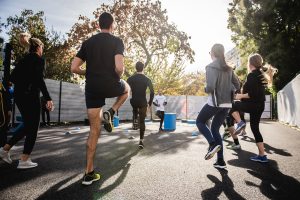
How to Increase Speed and Agility: Training Methods That Work
Improve acceleration, change of direction, and reaction speed with a balanced training plan covering strength, sprint technique, footwork, recovery, and injury prevention.
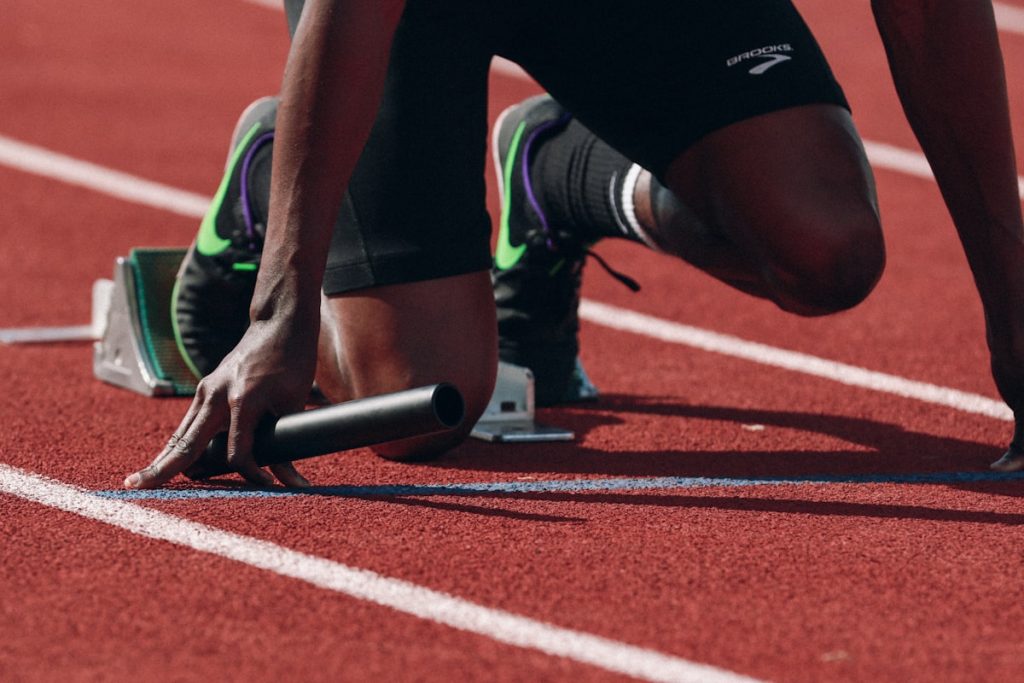
To increase speed and agility, combine short sprint training, lower-body strength work, change-of-direction drills, and consistent recovery. Speed is the ability to move quickly in a straight line, while agility also requires braking, reacting, and accelerating in a new direction.
The most effective plan trains these qualities separately and then combines them in sport-specific movements. Quality matters more than completing a large number of repetitions with poor technique.
What Determines Speed and Agility?
Acceleration depends on how much force you can apply to the ground and how efficiently you position your body. Strong glutes, hamstrings, calves, and core muscles help produce force, while a forward body angle and powerful arm drive support the first few steps.
Maximum sprint speed is influenced by stride length, stride frequency, coordination, and relaxation. Trying to move the legs as fast as possible while tensing the shoulders often reduces efficiency.
Agility involves more than fast feet. It includes deceleration, balance, body control, visual awareness, and the ability to respond to an external cue. An athlete who can sprint quickly but cannot stop safely or change direction under control will struggle in many game situations.
Best Exercises to Improve Speed
Short acceleration sprints
Run hard over 10 to 30 metres, then rest long enough to preserve speed. Begin with four to six repetitions and rest for about one to two minutes between efforts. Start each sprint from different positions, such as standing, split stance, or lying face down, once basic technique is consistent.
Keep the first steps powerful rather than trying to stand upright immediately. Drive the arms backward, push the ground away, and gradually rise into a taller sprinting position.
Flying sprints
Flying sprints train top-end speed without forcing you to accelerate from a stationary start. Use a gradual 15 to 25 metre build-up, followed by 15 to 30 metres at a fast but controlled pace. Complete three to five repetitions with full recovery.
These runs should be performed on a safe, flat surface. Stop the session if your form breaks down, your hamstrings tighten, or you can no longer maintain a smooth rhythm.
Strength exercises
Lower-body strength supports sprint acceleration and the ability to push out of a cut. Useful exercises include squats, split squats, reverse lunges, hip thrusts, Romanian deadlifts, calf raises, and controlled single-leg step-ups.
Use a manageable load and focus on stable knee and hip alignment. Two strength sessions per week are sufficient for many recreational athletes, provided they are separated from demanding sprint sessions by adequate recovery.
Drills for Faster Change of Direction
Deceleration practice
Before adding sharp cuts, learn to slow down under control. Sprint for 5 to 10 metres and stop within a marked zone. Lower your centre of mass, shorten your final steps, and keep your chest controlled rather than folding at the waist.
Good braking mechanics reduce wasted movement and lower the stress placed on the knees and ankles. Progress by increasing the approach speed or reducing the stopping distance gradually.
Shuttle runs
Set two or three markers several metres apart. Sprint to one marker, plant under control, and accelerate back. Start with predictable patterns, then vary the distance and direction. Keep the total number of hard repetitions low enough that every change of direction remains sharp.
Lateral movement drills
Lateral shuffles, crossover steps, and lateral bounds develop side-to-side control. Keep the hips lowered, avoid letting the knees collapse inward, and push forcefully from the outside foot. Practise both directions because athletes often have a preferred cutting side.
How to Add Reaction Training
Planned footwork improves movement quality, but reactive agility requires a decision. Use a partner, coach, visual signal, or audio cue to determine the direction of the next movement. For example, begin in an athletic stance and sprint toward the called marker only after the signal.
Progress from simple reactions to sport-specific tasks. A football player might react to an opponent’s movement before accelerating into space, while a basketball player may combine a defensive slide with a closeout. Keep the distance short and focus on reading the cue, braking efficiently, and pushing into the next movement.
A Weekly Speed and Agility Plan
A practical schedule can include two high-quality speed sessions and two strength sessions. Leave at least 48 hours between the hardest sprint workouts when possible.
- Session one: warm-up, acceleration sprints, lower-body strength, and core stability.
- Session two: lateral movement, deceleration practice, and controlled change-of-direction drills.
- Session three: recovery activity, mobility work, or easy aerobic exercise.
- Session four: flying sprints, reactive agility, and single-leg strength exercises.
Beginners can start with one speed session and one strength session each week. Increase volume only when technique remains consistent and soreness does not affect normal movement.
Warm-Up, Recovery, and Injury Prevention
Before sprinting, spend 10 to 15 minutes preparing the muscles and nervous system. Begin with easy jogging or skipping, then use dynamic movements such as walking lunges, leg swings, ankle hops, high knees, and progressive accelerations.
Static stretching is better suited to a separate mobility session or the end of training. It should not replace a progressive warm-up before maximal sprinting.
Sleep, hydration, adequate food, and rest days all affect speed development. Sprinting while fatigued can change landing and cutting mechanics, so reduce the workload when movement quality drops. Anyone returning from an injury should get clearance from a qualified health professional and progress gradually.
How Long Does It Take to Get Faster?
Some improvements in coordination and sprint technique may appear within several weeks, but meaningful gains in acceleration, strength, and agility usually require consistent training over several months. Track a small number of measures, such as a short sprint time, a shuttle time, or the quality of a repeated change-of-direction drill.
Test under similar conditions each time. Use the same surface, distance, footwear, and recovery period so that progress reflects improved performance rather than a change in testing conditions.