
How to Recover After a Workout: Practical Tips for Faster Recovery
Learn how to recover after a workout with practical advice on hydration, nutrition, sleep, active recovery, muscle soreness and rest days.
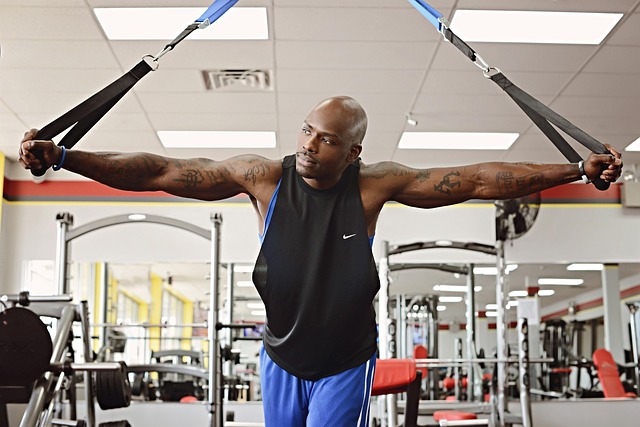
Effective workout recovery starts as soon as training ends. Replacing fluids, eating enough nutritious food, allowing your muscles to cool down and getting quality sleep can help reduce soreness and prepare your body for the next session.
What to do immediately after exercise
A few simple habits can make the first hours after training more comfortable and support muscle repair.
- Cool down gradually: Walk or move gently for five to ten minutes after intense exercise. This gives your heart rate time to return toward normal and prevents an abrupt stop after hard effort.
- Replace fluids: Drink water after training and continue drinking according to thirst. After prolonged exercise, heavy sweating or training in hot conditions, a drink containing electrolytes may help replace sodium and other minerals.
- Change out of wet clothing: Dry clothes can reduce discomfort and help prevent chafing, particularly after outdoor sessions.
- Use gentle mobility: Easy stretching and controlled movement may reduce the feeling of stiffness. Avoid forcing a painful stretch or aggressively massaging an injured area.
Eat for muscle recovery
A post-workout meal does not need to be consumed immediately, but eating within the next few hours is useful, especially after a demanding or long session. Combine protein with carbohydrate rather than relying on supplements alone.
Protein provides amino acids for muscle repair. Suitable choices include eggs, milk, yoghurt, fish, chicken, beans, lentils, tofu and other protein-rich foods. Carbohydrates help restore muscle glycogen, the fuel used during many forms of exercise. Rice, potatoes, oats, fruit, bread and whole grains can all contribute.
A practical meal might include yoghurt with fruit and oats, eggs with toast, rice with beans and vegetables, or a chicken and potato meal. A protein shake can be convenient when a full meal is not available, but it is not essential if normal food provides enough protein.
Prioritise sleep and rest
Sleep is one of the most effective ways to recover from exercise. During sleep, the body supports tissue repair, regulates hormones and restores mental and physical energy. Most adults benefit from roughly seven to nine hours per night, although individual needs vary.
Keep a regular sleep schedule, limit bright screens close to bedtime and make the bedroom cool, dark and quiet. If soreness or fatigue persists, reduce training intensity instead of trying to compensate with stimulants or extra sessions.
Use active recovery on easier days
Active recovery means low-intensity movement that increases circulation without placing substantial stress on tired muscles. Walking, easy cycling, relaxed swimming, light mobility work and gentle yoga are common options.
The session should feel easy enough to hold a normal conversation. Active recovery is different from another hard workout. If movement makes pain worse, causes limping or leaves you more fatigued, stop and allow additional rest.
How to manage delayed muscle soreness
Delayed-onset muscle soreness, often called DOMS, commonly appears 12 to 48 hours after unfamiliar or strenuous exercise. It usually improves over several days. Light movement, adequate food, hydration, sleep and patience are usually more helpful than trying to train hard through the soreness.
Foam rolling or a gentle massage may temporarily reduce the sensation of tightness, but these methods do not replace rest or repair damaged tissue. Avoid using pain relief to mask symptoms so you can continue intense exercise without addressing the cause.
Know when to rest or seek medical advice
Normal post-exercise soreness tends to affect the muscles used during training and gradually improves. Sharp pain, swelling, bruising, joint instability, numbness, unusual weakness or pain that changes your movement may indicate an injury rather than ordinary soreness.
Stop exercising and seek medical advice for severe or persistent pain. Urgent help is needed for chest pain, fainting, severe breathing difficulty, confusion, extreme weakness or dark urine after intense exercise. These symptoms should not be treated as routine workout fatigue.
Build recovery into your training plan
Recovery works best when it is planned rather than used only after exhaustion appears. Alternate demanding sessions with easier training, increase exercise volume gradually and keep at least some lower-intensity or rest days in your routine. Track sleep, energy, soreness and performance so you can spot signs of excessive training early.
The best post-workout recovery routine is consistent: drink enough, eat balanced meals, sleep well, move gently when appropriate and respect pain signals. These habits support adaptation without requiring expensive equipment or specialised products.