What Does a Point Guard Do in Basketball?
A point guard organizes the offense, creates scoring opportunities, controls tempo, defends the perimeter and makes decisions that connect a team’s game plan on the court.
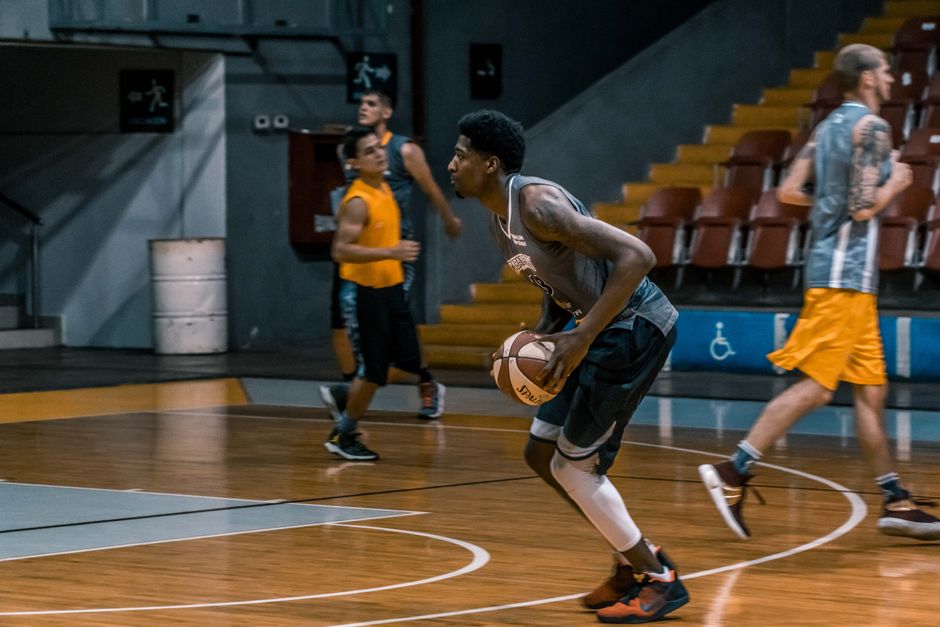
A point guard is usually the player responsible for directing a basketball team’s offense. The position involves bringing the ball up the court, calling or recognizing plays, deciding when to pass or attack, and helping teammates reach effective scoring positions. Point guards also defend opposing ball handlers and often serve as the team’s main communicator.
The role is more demanding than simply being the player who dribbles the most. A successful point guard must read defensive coverage, manage the game’s pace, protect possession and make sound decisions under pressure. In modern basketball, the position can overlap with the responsibilities of shooting guards and other perimeter players.
Primary responsibilities of a point guard
Organizing the offense
At the start of a possession, the point guard commonly advances the ball and gets the team into its intended formation. This may involve calling a set play, directing teammates into screening actions or recognizing that a quick attack is available before the defense becomes organized.
The point guard must understand spacing. If teammates stand too close together, driving lanes disappear and defenders can help more easily. If players are properly spaced, the ball handler has more room to penetrate, pass to an open shooter or use a screen. The guard’s communication helps coordinate these movements.
Creating scoring opportunities
Playmaking is a central part of the position. A point guard may create an advantage by driving past the first defender, using a ball screen, drawing help defense or changing speed. Once the defense reacts, the guard can pass to a rolling big man, find a perimeter shooter or finish at the basket.
Assists are one visible measure of playmaking, but they do not capture every useful decision. A pass that leads to a second pass, a well-timed screen or a controlled drive that forces defensive rotation can improve an attack without producing an official assist. Good point guards combine passing vision with the threat of scoring themselves.
Controlling tempo and possessions
Game management is another major responsibility. A point guard may push the ball after a defensive rebound when the opponent is vulnerable, then slow the possession down when the team needs a better shot. This requires awareness of the score, time remaining, foul situation and the quality of the available opportunity.
Possession control also means limiting careless turnovers. Risky passes can create easy points for the opponent, while overly cautious play may allow the defense to recover. The best decision depends on the game situation rather than on a fixed preference for passing or attacking.
What does a point guard do on defense?
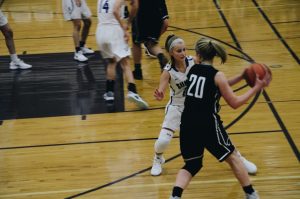
Defensively, a point guard often starts by guarding the opposing team’s primary ball handler. The goal is not always to steal the ball. Staying in front of the attacker, forcing an uncomfortable direction and preventing a clean entry into the offense can be more valuable than reaching for a turnover.
Point guards also navigate screens. Against a pick-and-roll, the defender may go over the screen to discourage a pull-up shot, go under it against a weaker shooter or switch assignments depending on the team’s defensive plan. Each choice has consequences: going over can protect against shooting, while going under may concede space for a jump shot.
Communication is essential. The guard must warn teammates about screens, identify cutters and recover quickly after helping in the paint. A smaller guard can still be an effective defender through anticipation, positioning and effort, although physical mismatches may require help from teammates.
Skills required for the position
- Ball handling: Reliable dribbling with both hands allows a guard to change direction, protect the ball and attack pressure defense.
- Passing: Accuracy, timing and the ability to pass from different angles help create advantages against rotating defenders.
- Decision-making: The guard must quickly judge whether to shoot, drive, pass, reset the offense or use a screen.
- Vision: Awareness of teammates, defenders and open spaces supports effective playmaking.
- Shooting: A credible outside shot prevents defenders from ignoring the point guard and shrinking driving lanes.
- Communication: Clear calls help coordinate offensive sets and defensive coverage.
- Defensive footwork: Lateral movement and balance are needed to contain quick perimeter players.
Traditional and modern point guard roles
The traditional point guard is often described as a pass-first floor general who prioritizes organization and assists. That description can be useful, but it is incomplete. A point guard who cannot threaten the basket or make open shots may allow defenders to ignore them and crowd their teammates.
Modern offenses frequently use multiple ball handlers. A shooting guard, wing or forward may bring the ball up, initiate a pick-and-roll or make the main decision late in the shot clock. This creates the idea of a “lead guard” rather than a strict distinction between a point guard and a shooting guard.
Some teams use a scoring point guard whose main value comes from creating shots for themselves while still handling playmaking duties. Others rely on a pass-first guard alongside a larger creator. The best arrangement depends on roster strengths, defensive matchups and the coach’s offensive system.
Common misconceptions about point guards
A point guard must always lead the team in assists. Assists depend on teammates making shots, offensive structure and how often another player creates the final pass. A guard can run an effective offense without producing the highest assist total.
The point guard must always have the ball. Off-ball movement, screening and cutting can make the position more effective. Giving up the ball can allow the guard to relocate, receive a return pass or create an advantage against a changing defense.
The shortest player is automatically the point guard. Height may influence matchups, but position is primarily defined by responsibilities. A taller player can organize the offense, while a smaller player may specialize as a scorer or defender.
Taking risks is the same as being aggressive. Productive aggression means applying pressure while preserving reasonable control. Repeatedly forcing passes or drives into crowded areas can damage the offense even if the player appears active.
How a point guard’s performance is evaluated
Traditional statistics such as assists, turnovers, points and steals provide useful information, but they should be interpreted with context. A guard who handles the ball on nearly every possession naturally has more opportunities for both assists and turnovers. Pace, teammates’ shooting, defensive pressure and the team’s offensive design also affect the numbers.
Film review can reveal details that a box score misses: whether the guard creates advantages from screens, makes the correct help-defense read, keeps the team organized and produces high-quality shots late in possessions. Effective point guard play is therefore a combination of individual skill, tactical understanding and consistent decisions.