Easiest Sports to Learn: Beginner-Friendly Options for New Players
Discover which sports are easiest to learn, how long basic skills usually take, and what to consider when choosing an activity that fits your goals, fitness level, and access to equipment.

The easiest sports to learn are usually activities with simple basic movements, flexible rules, and a low barrier to entry. Badminton, swimming, table tennis, cycling, running, and recreational volleyball are good starting points for many beginners. The best choice depends on your coordination, fitness, access to facilities, and whether you prefer individual or team competition.
A sport can be easy to start without being easy to master. Most activities have a short learning curve for the fundamentals, followed by years of improvement in technique, tactics, and physical conditioning.
What makes a sport easy to learn?
Beginner-friendly sports tend to share several features:
- Simple first skills: You can begin with basic movements such as walking, jogging, floating, throwing, or hitting.
- Quick early progress: A new player can notice improvement after a few sessions.
- Adjustable intensity: Beginners can practise at a comfortable pace before adding speed or competition.
- Accessible equipment: The required gear is affordable, widely available, or unnecessary.
- Low-pressure practice: You can learn the basics without immediately needing a full team or formal match.
Physical contact, complicated rules, high technical demands, and fear of falling can make a sport feel harder at the beginning. These factors do not make an activity unsuitable, but they may require more coaching and patience.
The easiest sports for beginners
Walking and running
Walking is one of the simplest ways to begin exercising because it requires very little equipment and can be adapted to almost any fitness level. Running has a slightly higher physical demand, but the basic movement is easy to understand. Beginners can alternate walking and jogging, gradually increasing duration rather than trying to run fast immediately.
Running is a strong option for people seeking an individual sport, better cardiovascular fitness, or a flexible activity that can be done almost anywhere. Comfortable shoes and a gradual training plan help reduce the risk of overuse injuries.
Cycling
Cycling has straightforward basic skills: balancing, pedalling, braking, and steering. Once a beginner becomes comfortable on a quiet, flat surface, longer rides can be added progressively. Indoor cycling provides another accessible option for people who do not have safe outdoor routes.
Learning to control speed and use the brakes is more important than riding quickly. A properly fitted helmet, visible clothing, and a bicycle in good working order are sensible safety measures.
Swimming
Swimming can be learned by adults and children, although the first stage may require instruction and confidence in the water. Beginners usually start with breathing, floating, body position, and basic kicking before learning complete strokes.
Swimming is valuable because it develops endurance while placing relatively little impact on the joints. Formal lessons are particularly useful for anyone who is not comfortable in deep water. Never practise alone in an unsupervised pool, lake, or sea.
Badminton
Badminton is often easier to start than many other racket sports because the shuttlecock moves more slowly than a tennis ball and the court is relatively small. New players can begin with serving, returning simple shots, and controlling the racket before learning advanced footwork and smashes.
It works well as a casual social sport, but it still provides a demanding workout once rallies become longer. Beginners benefit from using a relaxed grip and focusing on positioning instead of hitting with maximum force.
Table tennis
Table tennis offers a compact playing area and simple equipment, making it a convenient choice for homes, schools, clubs, and community centres. Players can learn to control the ball, make basic serves, and return steady shots within a short period.
Spin and tactical placement make the sport more complex at higher levels. At the beginner stage, consistent contact and keeping the ball on the table matter more than powerful shots.
Volleyball
Recreational volleyball is approachable because players can learn the basic underhand pass, set, serve, and court positions one at a time. Casual games often allow players to develop skills without the pressure of advanced tactics.
The sport becomes more demanding when jumping, rapid movement, and coordinated team attacks are introduced. A beginner-friendly group with modified rules can make the first sessions more enjoyable.
Sports that may take longer to learn
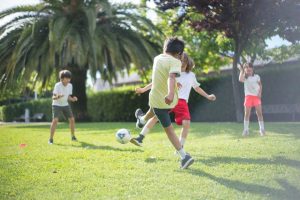
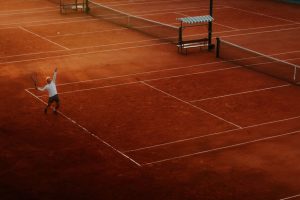
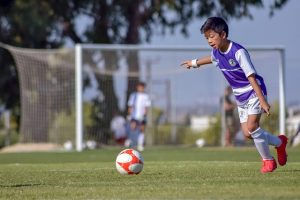
Some popular sports have a steeper initial learning curve. Tennis requires timing, footwork, serving technique, and control over different types of shots. Football involves ball control while moving, passing under pressure, spatial awareness, and team positioning. Basketball combines dribbling, shooting, passing, defensive movement, and fast decision-making.
Gymnastics, golf, martial arts, skiing, and ice skating can also take longer to feel comfortable because they involve specialised technique, balance, equipment, or safety skills. They can still be excellent beginner sports when taught by a qualified coach and introduced at an appropriate pace.
How to choose the right beginner sport
Start with the type of experience you want. Choose running, cycling, or swimming for independent exercise. Try badminton, table tennis, or volleyball if you want a social activity with simple entry-level games. Swimming and cycling may appeal to people looking for lower-impact options, while running is convenient for those with limited access to facilities.
Consider practical factors such as cost, travel time, weather, available coaching, and safe places to practise. A sport that is slightly more challenging but easy to access may be a better choice than an activity that looks simple but requires expensive equipment or long journeys.
For the first few sessions, focus on one or two basic skills, use manageable intensity, and stop if pain feels sharp or unusual. Consistent practice matters more than choosing the sport with the shortest learning curve.