
Flat Serve vs Slice Serve: Key Differences, Uses, and Technique
A flat serve prioritizes speed and direct penetration, while a slice serve uses sidespin to curve away from the returner. Learn how the two serves differ and when to use each one.
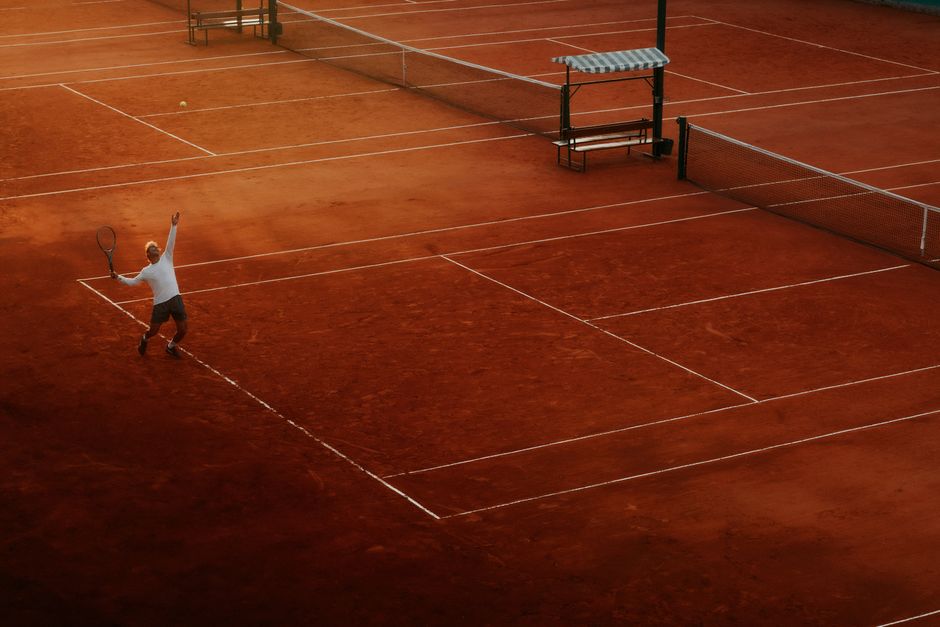
The difference between a flat serve and a slice serve can shape an entire service game. One reaches the returner with maximum pace and a relatively direct flight; the other bends through the air, skids off the court, and pulls the returner away from a comfortable hitting position.
Both are essential tennis serves, but they demand different racket paths, contact patterns, targets, and tactical decisions. Understanding those differences helps players choose the right serve for the score, court position, and opponent.
Flat serve vs slice serve: the main difference
A flat serve is hit with limited spin and a mostly forward racket path. The racket strikes through the back of the ball, producing a fast, direct serve that is difficult to attack when placed accurately. Because it has less spin helping it dip into the service box, the contact point and margin over the net must be precise.
A slice serve is struck with sidespin, usually created by brushing across the outside portion of the ball. The ball curves in the air and changes direction after the bounce. For a right-handed server, a slice from the deuce court can move toward a right-handed returner’s forehand or, with the right target, drag the player toward the sideline. From the ad court, it can bend into the body or toward the returner’s backhand side.
| Feature | Flat serve | Slice serve |
|---|---|---|
| Primary effect | Speed and penetration | Curve, skid, and lateral movement |
| Spin level | Low | Moderate sidespin, often combined with some topspin |
| Typical margin | Smaller | Greater clearance and net safety |
| Best use | Free points and surprise pace | Moving the returner and creating a weaker reply |
| Main risk | High error rate when timing or placement slips | Less raw speed if the racket brushes too far around the ball |
How to hit a flat serve
The flat serve starts with a consistent toss, generally in front of the serving shoulder and slightly inside the court. The server rises into the ball and contacts it at full reach, with the strings facing toward the intended target. The swing should accelerate through contact rather than decelerate in an attempt to steer the ball.
Although the ball is called “flat,” a completely spin-free serve is neither realistic nor desirable. A small amount of natural spin helps the ball travel safely into the service box. The practical aim is to maximize forward speed while retaining enough control to clear the net and land inside the lines.
Flat serves are most effective when aimed at a clear target rather than simply hit as hard as possible. The corners are difficult to reach, but a fast serve into the body can be equally uncomfortable because it removes the returner’s time and restricts the swing.
How to hit a slice serve
The slice serve uses a different contact intention. Instead of driving directly through the center of the ball, the server brushes around its outer edge. The racket travels up and across the ball, creating sidespin while still moving forward toward the service box.
The toss is often placed a little farther to the side than for a flat serve, though it should remain consistent enough to disguise the serve. Excessive movement in the toss usually reveals the direction and makes timing less reliable. The server should also maintain a strong shoulder turn and reach upward; a slice is not produced by merely swinging around the side of the body.
A well-struck slice serve may look slower than a flat serve but be harder to return. Its sideways curve can pull the receiver away from the singles court, while the low, skidding bounce makes it difficult to set the racket face and attack with authority.
When to choose a flat or slice serve
Use a flat serve when pace is likely to produce a short return or when the opponent is standing too far behind the baseline. It can also be valuable as a change-up after several slower, spinning serves. A first serve aimed at the body is particularly useful against returners who make early movements toward the corners.
A slice serve is often the better choice when the opponent struggles with lateral movement, has a vulnerable backhand return, or stands close to the center mark. Wide slice serves can open the court for the next shot, especially when the server is comfortable attacking the exposed side after the return.
Placement matters more than labels. A flat serve down the middle may be safer and more effective than a low-percentage attempt at the corner. Similarly, a slice serve that curves but lands near the returner’s strike zone may offer little benefit. The target should determine the type of spin and speed, not the other way around.
Which serve is easier to learn?
Many players find the slice serve easier to make reliably because sidespin and some natural topspin create more net clearance and help the ball dip into the box. That does not make it simple: the serve still requires a stable toss, efficient leg drive, and an upward swing.
The flat serve can produce immediate speed, but its smaller margin exposes technical problems. A toss that drifts too far behind the body, a late contact point, or a weak leg drive can turn a powerful motion into a string of double faults.
For most developing players, building a dependable slice or spin-based first serve before chasing maximum pace is a sensible progression. Once the motion is repeatable, the flat serve can be added as a higher-speed option rather than becoming the only first-serve pattern.
Practice drills for both serves
Start with half-speed service-box targets. For the flat serve, focus on a direct line through the target and a consistent contact point. For the slice serve, watch the ball’s curve and bounce rather than judging success only by speed. A serve that lands safely and moves the returner is already doing its job.
Next, alternate serve types without changing the preparation noticeably: flat to the body, slice wide, then flat toward the corner. This develops disguise and teaches the server to select a target under pressure. Record the first bounce and the returner’s likely contact position; those details reveal more than the speed reading alone.
Finally, practise each serve under a score. Give yourself two attempts, choose a target before the toss, and track first-serve percentage, double faults, and the quality of the expected return. The strongest serve is not always the fastest one. It is the serve that combines reliable execution with a predictable tactical advantage.