
What Is a Throw-In in Soccer? Rules, Signals and Common Mistakes
A soccer throw-in restarts play after the ball crosses the touchline. Learn who takes it, how to perform it legally, and what happens after the throw.
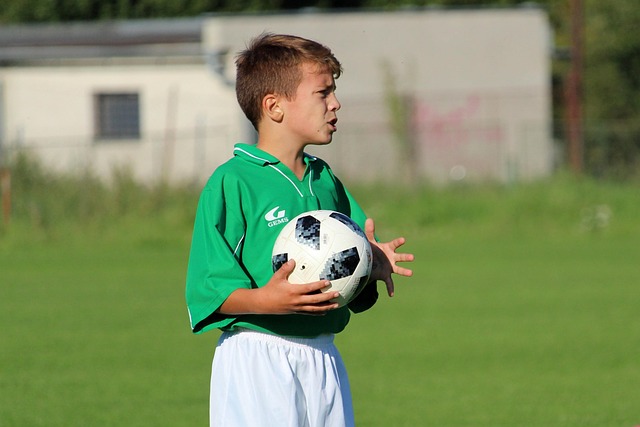
A throw-in in soccer is a method of restarting play when the entire ball crosses the touchline, either on the ground or in the air. The team awarded the throw-in is the one whose opponent last touched the ball before it went out.
The restart is taken from the point where the ball crossed the touchline. A throw-in is not awarded if the ball crosses the goal line; that situation leads to a goal kick or corner kick instead.
How to take a legal throw-in
The player taking the throw-in must follow several requirements under the Laws of the Game:
- Face the field of play.
- Use both hands to deliver the ball.
- Bring the ball from behind and over the head.
- Keep part of each foot on the touchline or on the ground outside the field.
- Release the ball from the point where it left the field, or very close to that point as permitted by the referee.
The thrower cannot touch the ball again until another player has touched it. This means a player cannot throw the ball to themselves and immediately dribble away. If the thrower touches it again illegally, the opponents receive an indirect free kick. A deliberate second handling may lead to a direct free kick or penalty kick if it occurs inside the thrower’s penalty area.
What happens after a throw-in?
The ball is in play as soon as it enters the field. Opponents must stay at least two metres from the thrower until the ball is released. Teammates may move toward the ball, while the defending team can mark them and challenge for possession once play restarts.
There is no offside offence directly from a throw-in. A player may therefore receive the ball beyond the last defender, although the player must still obey the offside law if the ball is then passed by a teammate during open play.
A goal cannot be scored directly from a throw-in. If the ball enters the opponents’ goal without touching another player, the restart is a goal kick. If it goes directly into the thrower’s own goal, the opponents receive a corner kick.
Common throw-in mistakes
The most frequent illegal throw-in errors include lifting both feet, stepping fully onto the field, throwing with one hand, bringing the ball from the side instead of behind the head, and releasing it from the wrong location. A player who takes an illegal throw-in normally gives possession to the other team.
If a legal throw-in goes directly out of play without touching another player, the opponents take the next throw-in from the same spot. The referee can also stop play if an opponent unfairly distracts or blocks the thrower; depending on the incident, the player may receive a caution.
Why throw-ins matter tactically
A throw-in is a simple restart, but teams often use it to create space and keep possession. Short throws are useful when nearby teammates are unmarked. Longer throws can bypass pressure and reach a forward, while quick throws can catch an opponent before the defense is organized.
The thrower should check for a safe passing option before collecting the ball. Teammates can help by making a movement toward the ball, running behind a defender, or moving away to open a lane for another player. The best choice depends on the score, field position, pressure from opponents, and the team’s preferred style of play.