What Is a Block in Basketball? Rules, Examples and Defensive Tips
A basketball block is a legal defensive play that stops or alters an opponent’s shot. Learn how blocks are recorded, when contact is allowed and how a block differs from a steal or charge.
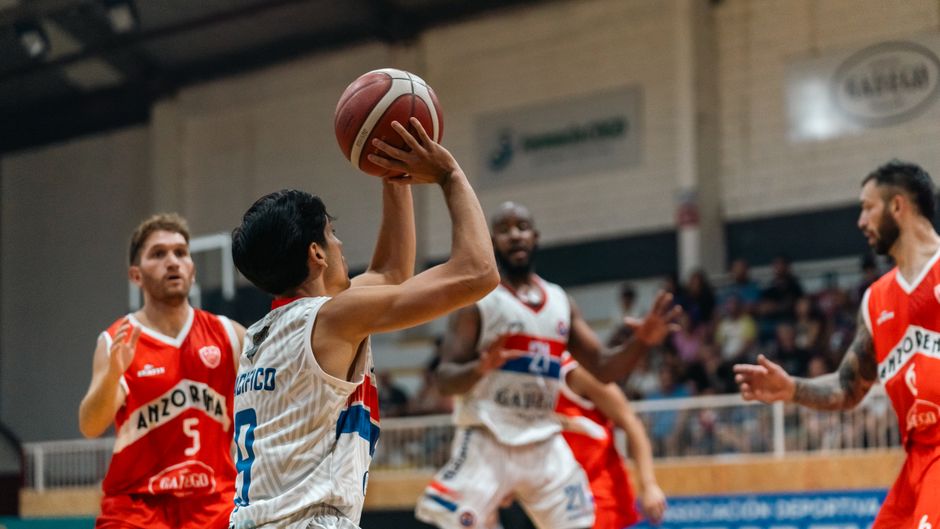
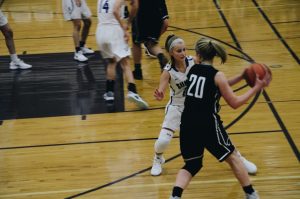
A block in basketball is a defensive play in which a player legally deflects or stops an opponent’s shot attempt. The defender usually makes contact with the ball before it reaches the basket, preventing the shot from going in or forcing the shooter to miss.
A blocked shot is recorded as a defensive statistic for the player who makes the play. Blocks can happen on jump shots, layups, hook shots and dunks, although the defender must follow the rules governing contact and goaltending.
How a blocked shot works
To make a block, a defender reads the shooter’s movement, gets into a legal defensive position and times a jump or reach toward the ball. The best blocks often come from help defenders rotating into the lane, rather than from the player directly guarding the shooter.
A block does not always have to send the ball away dramatically. A defender may touch the ball enough to change its direction, reduce its speed or make the shot fall short. If the contact with the ball causes the shot to miss, the play can still count as a blocked shot.
- Jump shot: The defender contests the ball while it is in the air.
- Layup: A help defender meets the shooter near the basket and deflects the attempt.
- Dunk attempt: The defender reaches the ball before it passes downward toward the rim.
- Chase-down block: A defender catches a player from behind and blocks the shot during a fast break.
When is a block legal?
A block is legal when the defender makes a play on the ball without committing illegal contact. The defender cannot simply hit the shooter’s arm, push the player, hold them or move into an unsafe position to stop the attempt.
The distinction between the ball and the shooter’s body matters. If a defender touches the ball cleanly but also makes excessive contact with the shooter, officials may call a foul even if the shot is blocked. A clean block can therefore be overturned as a defensive foul when the contact affects the shooter illegally.
Timing and position also matter near the basket. A defender who arrives late and moves underneath a player in the air may be called for a foul, while a defender who establishes legal guarding position and contests the shot may be credited with a block.
Goaltending and interference
A defender cannot block a shot illegally after it has reached a point where it is likely to enter the basket. In most basketball rules, touching the ball while it is descending toward the hoop or directly above the rim may be called goaltending.
Defensive goaltending usually awards the attacking team the points that the shot would have received. Contact with the ball while it is on or above the rim can also be restricted under basket interference rules. Because of these limits, a late swat after the ball has passed its legal blocking window may not count as a block.
Block, steal, charge or rebound?
These defensive plays are related but not identical:
- Block: A defender legally deflects or stops a shot attempt.
- Steal: A defender takes or knocks the ball away before a shot is completed.
- Charge: An offensive player commits a foul by illegally running into a defender who has established legal position.
- Defensive rebound: A defender gains possession after an opponent misses, whether or not the shot was blocked.
A blocked shot can lead to a defensive rebound, but the block and rebound are recorded as separate events. If the ball goes out of bounds after the block, the defender may receive the block statistic without getting a rebound.
How blocks are recorded in statistics
In a box score, a blocked shot is credited to the defender who caused the shot to miss or altered the attempt in a way recognized by the official scorer. The shooter is generally charged with a missed field-goal attempt when the blocked shot is an unsuccessful attempt.
Blocks are often used to evaluate rim protection, but the statistic has limits. A player can discourage a shot without touching the ball, while an aggressive shot blocker may leave defensive gaps by chasing blocks. Coaches also consider positioning, contests, defensive rotations and the team’s ability to secure the ball after a block.
How to defend without fouling
Good shot blocking begins before the jump. Defenders should stay balanced, watch the shooter’s body and approach from the side or front instead of swinging across the shooter’s arms. Keeping the chest away from the shooter and reaching vertically can reduce illegal contact.
Defenders should also avoid leaving their feet too early. Waiting until the shooter commits to the release improves timing and makes it easier to contest the ball without landing underneath the shooter. A controlled contest that forces a miss is often more valuable than a risky attempt to record a block.