
Offensive vs Defensive Rebound: The Difference Explained
Learn how offensive and defensive rebounds differ, why each matters, and how rebound percentages reveal a team’s control of the basketball game.
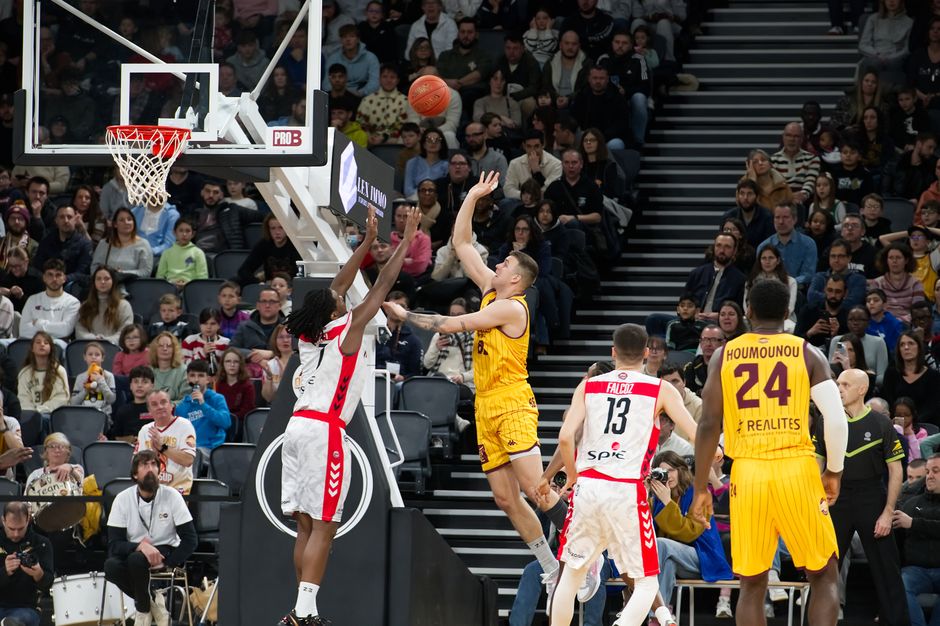
A missed shot does not end a possession. The player or team that secures the ball next can change the entire shape of a basketball game. An offensive rebound gives the shooting team another chance, while a defensive rebound ends the opponent’s possession and starts a transition opportunity.
What is the difference between an offensive and defensive rebound?
An offensive rebound occurs when a player retrieves a missed field-goal attempt or free throw taken by their own team. Because the shooting team keeps possession, an offensive board can lead to a putback, a kick-out pass for a three-point attempt, or a completely new half-court possession.
A defensive rebound is collected by the team that did not take the missed shot. It normally completes the defensive possession. The rebounder may then pass to a guard, push the ball up the court, or slow the game down and set up the offense.
The basic distinction is therefore determined by which team took the shot, not by where the rebound is caught. A player grabbing a miss near their own basket earns a defensive rebound if the opponent took the shot. A player collecting the ball near the opposing basket earns an offensive rebound if a teammate’s shot was missed.
Why offensive rebounds matter
Offensive rebounding creates extra possessions. A team that misses but immediately recovers the ball can score without first making a defensive stop. This is especially valuable near the basket, where a quick putback may produce a high-percentage shot and draw a foul.
Attacking the offensive glass also affects how defenders position themselves. Opponents must decide whether to send several players back in transition or commit more bodies to boxing out. A team that sends strong rebounders to the paint can generate second-chance points, but it may give up fast-break opportunities if the ball is secured by the defense.
Individual offensive rebound totals can sometimes be misleading. A forward may collect several boards because teammates deliberately create space for that player, while a guard may contribute by boxing out rather than touching the ball. Rebounding is a shared action, even when the box score credits only one player.
Why defensive rebounds matter
Defensive rebounding prevents second-chance scoring. A team can force a difficult shot, defend well for most of a possession, and still concede points if nobody seals the shooter’s teammates away from the basket.
The cleanest defensive rebound often begins before the shot reaches the rim. Players locate their assignments, make contact legally, and move into a position between the opponent and the basket. This technique is known as boxing out. Height helps, but timing, strength, positioning, and awareness are just as important.
Securing the defensive board also changes tempo. Guards can receive an outlet pass and begin a fast break, while a controlled rebound allows the team to protect a lead and use the shot clock. For that reason, defensive rebounding is both a stopping skill and the first step of offense.
How rebound statistics compare teams
Raw rebound totals provide useful context, but they do not always show who controlled the missed shots. A team that takes more shots will usually have more chances to collect offensive rebounds. Analysts often use rebound percentages to make a fairer comparison.
Offensive rebound percentage estimates how often a team recovers its own missed shots. A common formula is:
Offensive rebound percentage = offensive rebounds ÷ (team offensive rebounds + opponent defensive rebounds)
Defensive rebound percentage estimates how often a team secures the opponent’s missed shots:
Defensive rebound percentage = defensive rebounds ÷ (team defensive rebounds + opponent offensive rebounds)
The rebound margin is simpler: a team’s total rebounds minus its opponent’s total rebounds. It can highlight a physical advantage, but it should be read alongside shooting volume, pace, missed-shot locations, and lineup combinations.
Which type of rebound is more valuable?
Neither type is automatically more valuable in every situation. An offensive rebound extends a possession and can produce an efficient second chance. A defensive rebound removes the opponent’s opportunity and may create an open-court attack.
The game context matters. A team trailing late may aggressively pursue offensive boards, accepting the risk of a fast break. A team protecting a narrow lead may prioritize defensive rebounding and transition prevention. Against a poor-shooting opponent, defensive boards can be particularly decisive because repeated stops are wasted if the defense cannot finish the possession.
For players, the most complete rebounding profile combines both skills: reading the flight of the ball, making contact, securing it with two hands when possible, and making a sound next play. The box score records the rebound, but positioning and team structure often determine who gets it.