Most Common Sports Injuries: Symptoms, Causes and Recovery
Learn about the most common sports injuries, how they happen, warning signs that need medical attention, and practical ways to support recovery and prevention.
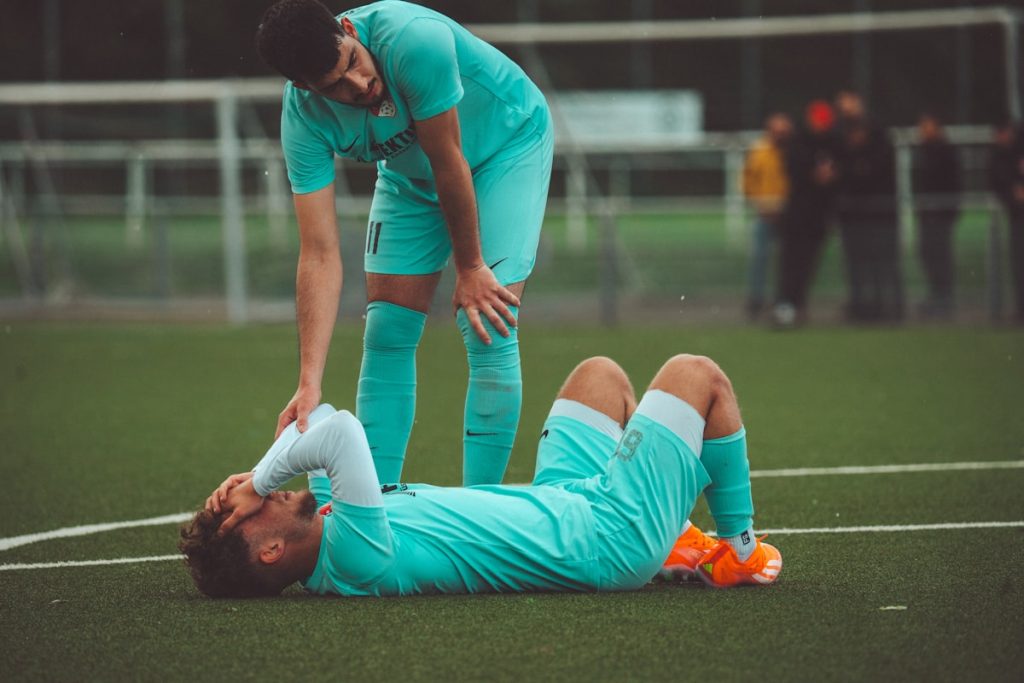
Sports injuries can affect beginners, recreational athletes and elite competitors. The most common problems usually involve muscles, tendons, ligaments, joints or bones. Some develop suddenly after a collision or awkward movement, while others build gradually through repeated stress.
Recognising the type of injury and responding early can reduce the risk of making it worse. A diagnosis from a qualified healthcare professional is especially important when pain is severe, movement is limited or a head, neck or spinal injury may be involved.
Common sports injuries and how they happen
Muscle strains
A strain occurs when a muscle or the tendon connecting it to bone is overstretched or torn. Hamstring strains, groin strains and calf strains are frequent in running, football, basketball and other sports that involve sprinting, jumping or sudden changes of direction. Pain, tenderness, swelling, bruising and reduced strength are common symptoms.
Ligament sprains
A sprain affects a ligament, the tough band of tissue that stabilises a joint. An ankle sprain is one of the most common athletic injuries and often follows a roll, twist or landing on another player’s foot. Knee, wrist and thumb sprains can also occur. Symptoms may include swelling, bruising, pain when bearing weight and a feeling that the joint is unstable.
Knee injuries
Knee pain in athletes can result from a ligament injury, cartilage damage, tendon irritation or repeated overload. Anterior cruciate ligament injuries are associated with sudden stops, pivots and awkward landings. Meniscus injuries may cause pain, swelling, catching or locking. Patellofemoral pain, sometimes called runner’s knee, commonly produces discomfort around or behind the kneecap during running, squatting or stair climbing.
Tendonitis and tendinopathy
Tendon problems develop when a tendon is repeatedly loaded without enough time to recover. Achilles tendon pain, tennis elbow, jumper’s knee and rotator cuff irritation are familiar examples. The pain may start during activity and later become noticeable at rest. Persistent tendon pain should not be ignored, because continuing to train through it can prolong recovery.
Fractures and stress fractures
A fracture is a break in a bone caused by a forceful impact, fall or twist. A stress fracture is a small crack that develops gradually from repeated loading, often in the foot or lower leg. Localised pain that worsens with activity, tenderness over one spot and swelling can indicate a stress injury. Some fractures are not obvious immediately, so medical assessment may be needed even when the limb looks normal.
Dislocations
A dislocation happens when the bones at a joint are forced out of their normal position. Shoulder dislocations are common in contact sports, while fingers and kneecaps can also dislocate. The joint may look deformed, feel unstable or be impossible to move normally. Do not try to force a dislocated joint back into place; seek urgent medical care.
Concussions
A concussion is a type of traumatic brain injury caused by a blow, jolt or sudden movement of the head and body. Headache, dizziness, confusion, nausea, blurred vision, sensitivity to light, balance problems and unusual tiredness can occur. Loss of consciousness is not required for a concussion to be present.
What to do after a sports injury
Stop the activity if continuing causes pain, weakness, dizziness or loss of coordination. For a minor soft-tissue injury, relative rest, a cold pack wrapped in cloth and gentle compression may help during the early stage. Elevating an injured limb can also reduce swelling. Avoid placing ice directly on the skin, wrapping a joint so tightly that it becomes numb, or returning to sport simply because the pain has temporarily eased.
Early movement is often useful once it can be done comfortably, but the appropriate exercises depend on the injury. A physiotherapist or sports medicine clinician can assess strength, mobility, balance and technique, then set a gradual rehabilitation plan. Pain relief medicines may not be suitable for everyone, so follow the product directions and ask a healthcare professional if you have medical conditions or take other medicines.
Warning signs that need medical attention
Seek urgent care for severe pain, major swelling, an obvious deformity, heavy bleeding, numbness, loss of circulation, inability to bear weight, or a joint that cannot move normally. Emergency assessment is also needed after a suspected neck or spinal injury, breathing difficulty, or a head injury with worsening headache, repeated vomiting, seizure, increasing drowsiness, weakness, slurred speech or marked confusion.
After a possible concussion, the athlete should be removed from play and assessed by a healthcare professional. They should not return to sport on the same day unless cleared under the relevant medical protocol. Symptoms that persist, recur or interfere with school, work or sleep also warrant an appointment.
How athletes can reduce injury risk
- Warm up with light aerobic activity and movements that match the sport.
- Increase training volume, speed and intensity gradually rather than making sudden changes.
- Build strength in the hips, legs, trunk and upper body, with exercises suited to the activity.
- Practise landing, lifting, tackling and change-of-direction technique under proper supervision.
- Use well-fitting footwear and sport-specific protective equipment in good condition.
- Allow recovery between hard sessions and take persistent pain seriously.
- Stay hydrated and eat enough to support training, tissue repair and bone health.
- Follow a complete return-to-sport plan instead of relying only on symptom relief.
Frequently asked questions
What is the most common sports injury?
Sprains and strains are generally among the most common sports injuries. Ankle sprains and muscle strains occur frequently because running, jumping, twisting and contact place substantial demands on soft tissues.
How long do sports injuries take to heal?
Recovery varies by the tissue involved and the severity of the damage. A mild strain or sprain may improve within days or weeks, while a serious ligament tear, fracture or concussion can require much longer. Returning based on a calendar alone is risky; strength, range of motion, balance and sport-specific function should also be restored.
Can an athlete train with an injury?
Training through pain is not automatically safe. Some rehabilitation exercises are appropriate under professional guidance, but competition or high-intensity activity may worsen an injury. Stop if symptoms increase during exercise or remain worse afterward.