What Is a Wing Back in Soccer? Role, Position and Responsibilities
A wing back is a wide player who combines the defensive duties of a fullback with the attacking responsibilities of a winger, usually in a formation with three central defenders.
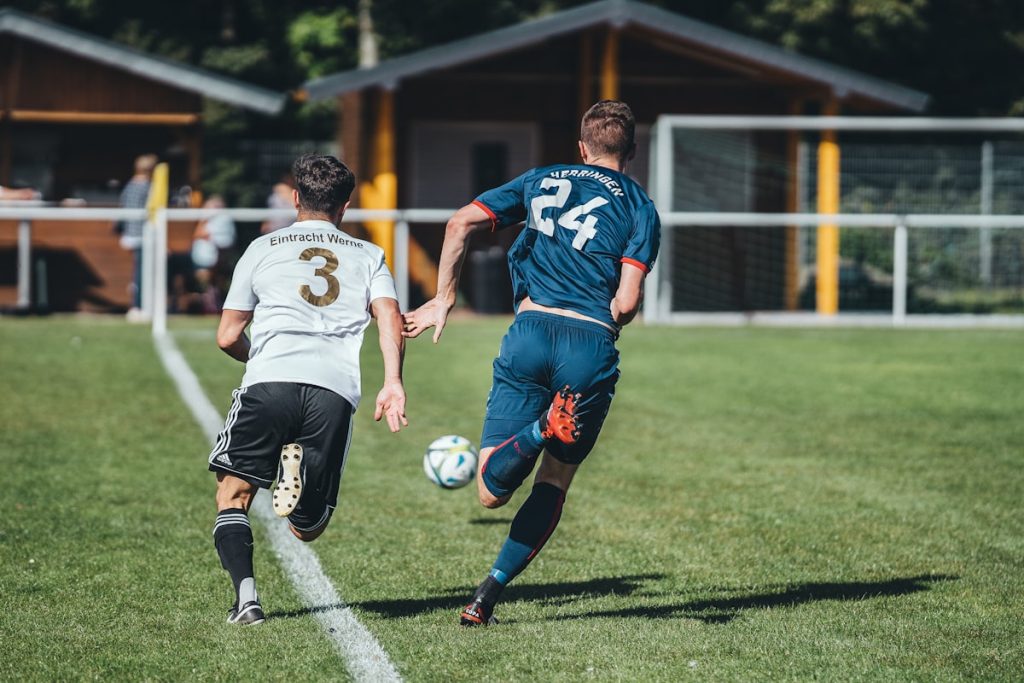
A wing back in soccer is a wide player who operates along the side of the pitch and contributes in both defence and attack. The position combines the duties of a traditional fullback with some of the freedom and attacking responsibility usually associated with a winger.
Wing backs are most commonly used in formations with three centre backs, such as 3-5-2, 3-4-3 and 5-3-2. They provide width, support attacks, track opposing wide players and help their team move between defensive and attacking phases.
What does a wing back do?
A wing back must cover a large area of the pitch. When the team has the ball, the player may stay wide to stretch the defence, carry the ball forward, cross into the penalty area or move inside to support midfielders and forwards.
When possession is lost, the wing back has to recover quickly. The player may drop alongside the three central defenders to form a back five, press an opposing fullback or winger, and protect the space near the touchline.
- Provides width: Stays near the sideline to create space for central players.
- Attacks from wide areas: Delivers crosses, combines with forwards and makes overlapping runs.
- Supports midfield: Moves inside or offers a passing option during build-up play.
- Defends the flank: Tracks runners and challenges opposing wide attackers.
- Changes position quickly: Recovers into the defensive line when the team loses possession.
Wing back versus fullback and winger
A fullback normally starts in a back four and has a clear defensive line behind them. Fullbacks can attack, but their first responsibility is usually to defend the wide channel and support the centre backs.
A wing back often starts higher up the pitch and is expected to take more attacking positions. Because a team using wing backs may have three centre backs behind them, the wing back can push forward without leaving the defence as exposed. However, this depends on the team’s tactical structure and the player’s instructions.
A winger usually plays farther forward and focuses more heavily on creating chances, beating defenders and scoring. A wing back has wider defensive duties and must make repeated runs between the defensive and attacking thirds. The position therefore requires more two-way work than a typical winger role.
| Position | Typical starting shape | Main responsibility |
|---|---|---|
| Fullback | Back four | Defend wide areas and support attacks |
| Wing back | Back three or five | Provide width in attack and defend the flank |
| Winger | Advanced wide position | Create chances and attack defenders |
Wing backs in common soccer formations
3-5-2 formation
In a 3-5-2, the two wing backs are often the team’s main source of width. The three centre backs protect the middle, while the wing backs advance to support two strikers and three central midfielders. This can create strong attacking numbers, but the wide players must recover quickly when possession changes.
3-4-3 formation
In a 3-4-3, wing backs work with two wide forwards. They may overlap the forwards, underlap into midfield or hold a deeper position to prevent counterattacks. Their movement can create passing lanes and one-on-one situations near the opposition penalty area.
5-3-2 formation
When a team defends in a 5-3-2, wing backs usually drop beside the centre backs to create a back five. They then advance during counterattacks or settled possession. This formation can offer defensive protection, although the wing backs still need to provide much of the team’s attacking width.
Skills needed to play wing back
Successful wing backs need a broad set of technical, tactical and physical qualities. Speed helps them make forward runs and recover defensively, but pace alone is not enough for the position.
- Stamina: Wing backs often run from one penalty area to the other throughout a match.
- Crossing: Accurate deliveries can create chances for strikers and attacking midfielders.
- First touch and passing: Clean control helps the player escape pressure near the touchline.
- One-on-one defending: The player must delay or stop opponents in open space.
- Positioning: Good decisions prevent gaps between the wing back and the nearest centre back.
- Timing of runs: Moving forward at the right moment can create an overload without exposing the defence.
Why wing backs are important
Wing backs can give a team tactical flexibility. They stretch a narrow defence, support combinations in wide areas and allow a coach to use three centre backs without sacrificing attacking width.
The role also creates risks. If both wing backs move forward at the same time and the team loses the ball, opponents may attack the spaces behind them. For that reason, midfielders or centre backs often provide cover while a wing back advances.
In simple terms, a wing back is a wide player responsible for both attacking and defending over a large section of the pitch. The position is especially effective for teams that use a back three and want width, pressing power and forward support from the sides.