How to Improve Coordination for Sport, Fitness, and Everyday Movement
Learn how coordination works and use practical drills to improve balance, timing, footwork, hand-eye control, and full-body movement.
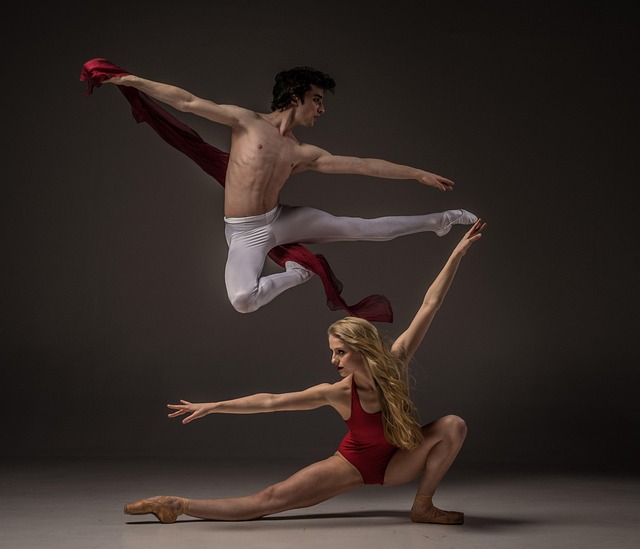
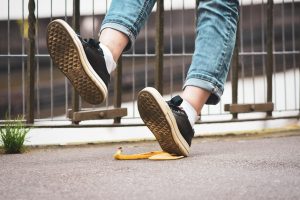
A dropped catch, a mistimed step, or a clumsy change of direction is rarely caused by a lack of effort alone. Coordination depends on how well the brain receives information, chooses a response, and controls several body parts at the same time. The good news is that this skill can be trained with regular, purposeful practice.
Improving coordination is useful for athletes, beginners returning to exercise, and anyone who wants smoother movement in daily life. The most effective approach combines balance, rhythm, reaction speed, mobility, and activities that challenge the eyes and body together.
What coordination involves
Coordination is the ability to control movement accurately and efficiently. It includes hand-eye coordination for catching or striking, foot-eye coordination for dribbling and kicking, and whole-body coordination for running, jumping, turning, and landing.
Several physical qualities work together:
- Balance: keeping the body stable while standing still or moving.
- Timing: performing an action at the right moment.
- Spatial awareness: understanding where the body is in relation to objects and other people.
- Reaction ability: responding quickly to a visual, auditory, or physical signal.
- Mobility and strength: creating enough control to move through a full range of motion.
A person may have good strength but poor timing, or quick reactions without much balance. Coordination training works best when it develops these qualities together rather than treating coordination as a single isolated ability.
Exercises that improve coordination
1. Ball toss and catch variations
Begin with a tennis ball or another soft ball. Toss it from one hand to the other at chest height, then progress to tossing it against a wall and catching it with the opposite hand. You can make the drill harder by standing on one leg, moving sideways, or using two balls.
These exercises develop hand-eye coordination, tracking, reaction time, and control of the non-dominant hand. Keep the throws accurate before increasing speed.
2. Single-leg balance drills
Stand near a wall or sturdy support and balance on one foot for 20 to 30 seconds. Once that becomes comfortable, turn the head slowly, reach toward different points, or catch a light ball while maintaining the position.
Single-leg exercises are particularly useful for runners, football players, basketball players, and anyone working on ankle stability. Keep the knee slightly bent and avoid locking the standing leg.
3. Ladder and line footwork
An agility ladder is helpful, but a line on the floor works just as well. Practise stepping in and out, moving laterally, and changing direction on a signal. Start slowly enough to place each foot accurately, then gradually increase the pace.
Footwork drills improve rhythm, lower-body control, and the ability to reposition the feet quickly. They should be light and precise rather than rushed.
4. Cross-body movements
March in place while touching the right hand to the left knee, then the left hand to the right knee. You can also perform standing cross-body reaches, bear crawls, or slow mountain climbers.
Cross-lateral exercises require the arms, legs, trunk, and eyes to work together. They are simple, require little equipment, and can be included in a warm-up.
5. Jump, land, and change direction
Practise small two-foot jumps, focusing on a quiet landing with the knees aligned over the feet. Progress to forward-and-back jumps, lateral hops, and short reaction drills in which you move toward a called direction.
Good coordination is visible not only during take-off but also during landing and braking. Reduce the height and speed if you lose balance or the knees collapse inward.
How to build coordination into training
Coordination improves through frequent exposure, not occasional exhausting sessions. Add 10 to 15 minutes of coordination work to a warm-up two or three times per week. Choose two or three drills and repeat them consistently for several weeks before changing everything.
Use a clear progression:
- Learn the movement slowly and accurately.
- Add repetition without allowing technique to deteriorate.
- Introduce a second task, such as catching while balancing.
- Increase speed, distance, or direction changes.
- Practise the movement in a sport-specific setting.
For example, a football player might begin with stationary ball touches, progress to moving touches, and then add an opponent or visual signal. A tennis player could move from simple wall catches to split-step reactions and directional shots.
Variety also matters. Combine predictable drills, where the movement is known in advance, with reactive drills that require a quick decision. A training partner can call left or right, show a coloured card, or vary the direction of a pass.
Common mistakes that slow progress
Moving too quickly is one of the most common coordination training errors. Speed can make a drill look demanding, but inaccurate repetitions teach the body poor movement patterns. Lower the pace until you can control the position of your feet, hips, shoulders, and head.
Another mistake is relying only on the dominant side. Practising with the weaker hand or leg may feel awkward, but it improves adaptability and reveals weaknesses that are hidden during familiar movements.
Fatigue can also reduce coordination. If your posture breaks down, your reactions become noticeably slower, or you begin missing simple catches, end the drill or take a longer rest. Coordination practice is most productive when the nervous system can still process information clearly.
How long does it take to improve coordination?
Many people notice better rhythm and control within a few weeks of regular practice, although the timeline depends on age, training history, sleep, mobility, and the complexity of the task. Sport-specific coordination can take longer because it requires decisions under pressure, not just isolated movement.
Track practical signs of progress: fewer missed catches, smoother changes of direction, improved balance on one leg, and the ability to perform a drill at a faster pace without losing form. These measures are more useful than expecting a sudden transformation.
Warm up before demanding drills, use suitable footwear, and train on a clear surface. Anyone experiencing persistent dizziness, unusual weakness, pain, or a sudden loss of coordination should stop exercising and seek medical advice.