Pick and Roll Explained: How Basketball’s Most Common Action Works
Learn what a pick and roll is, how the ball handler and screener execute it, the main variations, and how defenses try to stop it.
The pick and roll is a two-player basketball action in which a screener sets a legal screen for a ball handler, then moves toward the basket or into open space to receive a pass. It is one of the most widely used offensive actions because it can create a driving lane, an open jump shot, a short pass to the screener, or opportunities for teammates on the perimeter.
How the pick and roll works
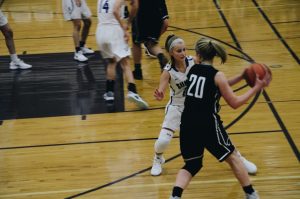
The action usually begins with the ball handler controlling the ball on the perimeter while a teammate approaches to set a screen. The screener positions their body between the ball handler and the defender, giving the ball handler a momentary advantage. The ball handler then uses the screen by driving around it, pulling up, or passing to an open teammate.
After setting the screen, the screener changes direction and cuts toward the basket. This movement is called the roll. The ball handler may pass to the rolling player near the rim, keep the ball for a shot, or find another teammate if the defense collapses.
- Ball handler: Uses the screen, reads the defense, and chooses between driving, shooting, or passing.
- Screener: Sets a legal screen, creates separation, and rolls or moves into open space.
- Weak-side players: Space the floor and prepare to shoot, cut, or attack if defenders help.
The screen must be stationary when contact occurs. A player who moves into a defender instead of establishing position may be called for an illegal screen, also known as an offensive foul.
Pick and roll variations
High pick and roll
A high pick and roll takes place near the top of the key. It gives the ball handler room to attack in either direction and is common in half-court offenses. The screener can roll to the rim, pop out for a jump shot, or re-screen if the first attempt does not create an advantage.
Side pick and roll
A side pick and roll occurs near a sideline or wing. The boundary limits the ball handler’s space, but the action can make it harder for the defense to provide help from the outside. Teams often use this version to create a driving lane toward the middle or a pass to the corner.
Pick and pop
In a pick and pop, the screener moves away from the basket after setting the screen instead of cutting to the rim. A big player who can shoot may pop to the elbow, wing, or three-point line. This forces the defending big to choose between protecting the paint and contesting the shot.
Slip screen
A slip happens when the screener begins to set the pick but quickly cuts to the basket before making contact. It is effective when defenders expect a normal screen and try to switch or hedge early.
Drag screen
A drag screen is set while the offense is still moving in transition. It can prevent the defense from getting fully organized and may produce an early drive, pull-up shot, or pass before help defenders reach their positions.
How defenses defend the pick and roll
Defenders use different coverages depending on the players involved, the position on the court, and the game situation.
- Switch: The two defenders exchange assignments. This can stop the immediate action but may leave a mismatch between a guard and a taller player.
- Drop coverage: The screener’s defender stays back near the paint while the on-ball defender recovers. It protects the basket but can allow a pull-up shot.
- Hedge or show: The screener’s defender steps toward the ball handler to slow the drive, then retreats to the rolling player.
- Blitz or trap: Both defenders pressure the ball handler after the screen. The offense must make a quick pass, often to the screener or a player on the weak side.
- Under: The defender goes beneath the screen and gives the ball handler space, usually to discourage a drive when the shooter is not a major perimeter threat.
The offensive response depends on the coverage. Against drop defense, the ball handler may take a pull-up jumper or pass to the screener in the pocket between the defenders. Against a switch, the offense may isolate the mismatch. Against a trap, a short pass can force the defense to rotate.
Why the pick and roll is effective
The action makes two defenders respond to one immediate threat. If they stay with the ball handler, the screener may roll into space. If they protect the rim, the ball handler may shoot or drive. If a third defender helps, a teammate can become open for a corner three, a cut, or a pass across the court.
Successful pick and roll play depends on timing, spacing, screening angle, and decision-making. The screener should arrive before the ball handler reaches the chosen spot, while the ball handler should stay close enough to the screen to make it difficult for the defender to get around. Perimeter teammates must remain spaced so help defense has a longer rotation.
Common pick and roll mistakes
A screen that is too far from the ball may not affect the defender. A screen set too early can give the defense time to prepare. Ball handlers also lose the advantage by turning away from the screen, moving too quickly, or failing to read the help defender.
Screener mistakes include standing still after the pick, rolling into a crowded lane, or drifting into the ball handler’s path. The best execution keeps the defense uncertain and gives the ball handler several passing and scoring options.