What Does a Center Do in Basketball? Role, Skills and Responsibilities
A basketball center protects the rim, rebounds, sets screens and scores near the basket. Learn how the position works in modern basketball.
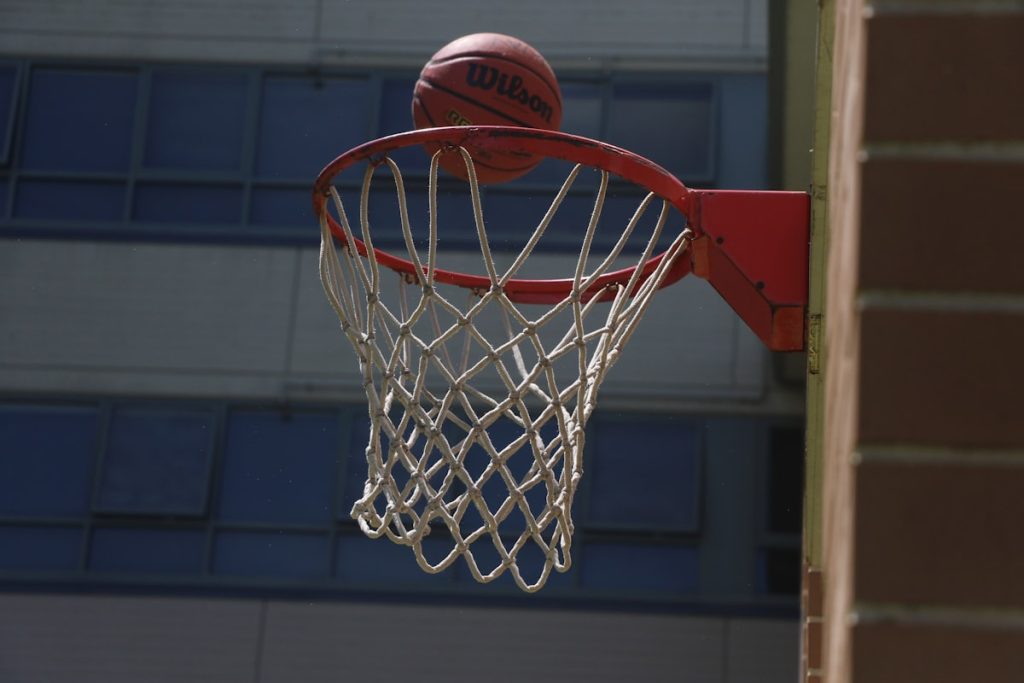
A center in basketball is usually the player who operates closest to the basket. Traditionally, the center is the tallest player on the team and is responsible for defending the rim, collecting rebounds, setting screens and scoring from close range.
The position has changed as basketball has become faster and more perimeter-oriented. Many modern centers still provide interior defense and rebounding, but some also pass from the high post, shoot three-pointers or switch onto smaller players on defense.
Main responsibilities of a basketball center
Protecting the rim
One of the center’s most important jobs is to prevent opponents from scoring near the basket. The center positions their body between the attacker and the rim, challenges layups and attempts to block or alter shots without committing a foul.
Good rim protection involves more than jumping for blocks. A center must recognize drives early, stay in legal defensive position and communicate with teammates when an opponent cuts or attacks the paint. Controlling the defensive area around the basket is often called interior defense.
Rebounding the basketball
Centers are expected to compete for both offensive and defensive rebounds. After a missed shot, the center should find an opponent, make contact legally and secure the ball rather than simply reaching toward it. This is known as boxing out.
Defensive rebounds end the opponent’s possession and allow the team to start its own attack. Offensive rebounds create second-chance scoring opportunities, particularly when the center is strong enough to establish position near the rim.
Setting screens
A center frequently sets screens to help teammates get open. In a pick-and-roll, the center screens the defender guarding the ball handler and then moves toward the basket. In a pick-and-pop, the center steps away from the basket after the screen, often looking for a mid-range or three-point shot.
Effective screens require good timing and legal positioning. The screener must remain stationary when contact occurs; moving into a defender can result in an offensive foul.
Scoring in the paint
Centers commonly score through post moves, layups, dunks, put-backs and short jump shots. They may receive the ball with their back to the basket, use footwork to create space and finish with either hand.
A center can also score as a roll player. After setting a screen, the player cuts quickly toward the rim, catches a pass and finishes before the defense recovers. Centers who can shoot from outside may instead space the floor as a pick-and-pop option.
What does a center do on offense?
On offense, the center creates space and scoring chances for the rest of the team. Common offensive duties include posting up, screening for guards, cutting behind the defense, passing from the high or low post and occupying defenders near the rim.
A center with strong passing ability can punish double teams by finding open shooters or cutters. Some centers act as a hub at the top of the key or elbow, making handoffs and reading how defenders react to movement around them.
Spacing is also a major part of the modern center position. A traditional interior center may stay near the paint, while a stretch center can shoot reliably from outside. The best location depends on the player’s skills and the team’s offensive system.
What does a center do on defense?
The center often organizes the defense from behind the play. Because they can see the ball and much of the court, centers are expected to call out screens, warn teammates about cutters and direct help defense.
Against a pick-and-roll, a center might drop toward the basket, show briefly to the ball handler, switch onto a guard or trap the ball. The correct choice depends on the opponent, the team’s tactics and the center’s ability to defend in space.
Modern centers must also defend without constantly fouling. Staying vertical on shots, moving their feet and timing contests are usually more valuable than attempting a risky block on every possession.
Skills needed to play center
- Height and length: These can help with shot contests, rebounds and finishing over defenders.
- Strength and balance: Physical control is useful when establishing post position and holding defensive ground.
- Rebounding technique: Boxing out, reading the ball’s flight and securing it with two hands are essential.
- Footwork: Good footwork supports post moves, defensive positioning and closeouts.
- Screening: Legal, well-timed screens create advantages for ball handlers and shooters.
- Passing: Centers must recognize double teams and deliver accurate passes from the post.
- Mobility: Quick movement helps a center defend pick-and-rolls and transition attacks.
- Shooting touch: Mid-range or three-point shooting can make the offense more difficult to defend.
Traditional centers and modern centers
A traditional center usually plays close to the basket, protects the rim, posts up and focuses heavily on rebounding. This type of player can be highly effective against teams that struggle to defend inside.
A modern center may combine those duties with perimeter skills. A mobile center can switch onto guards, run the floor in transition, pass from the perimeter and shoot three-pointers. The term “stretch five” describes a center who can pull the opposing rim protector away from the paint with reliable outside shooting.
These styles are not completely separate. Many effective centers combine interior defense and rebounding with enough mobility, passing or shooting to fit different lineups.
How the center position differs from other positions
The center is usually the biggest player and works closest to the rim. A power forward may share some interior responsibilities but often operates farther from the basket and may have greater perimeter mobility. Small forwards, shooting guards and point guards generally spend more time handling the ball and playing on the perimeter.
Positions are less rigid than they once were. A team may use a smaller center for speed, a forward at center for better shooting or two centers together to control the paint and rebounding. The player’s responsibilities depend on the coach’s system and the matchup.