
What Is a Flagrant Foul in Basketball?
A flagrant foul is serious illegal contact that goes beyond a normal defensive mistake. Learn the difference between Flagrant 1 and Flagrant 2, the penalties, and how officials decide what happened.
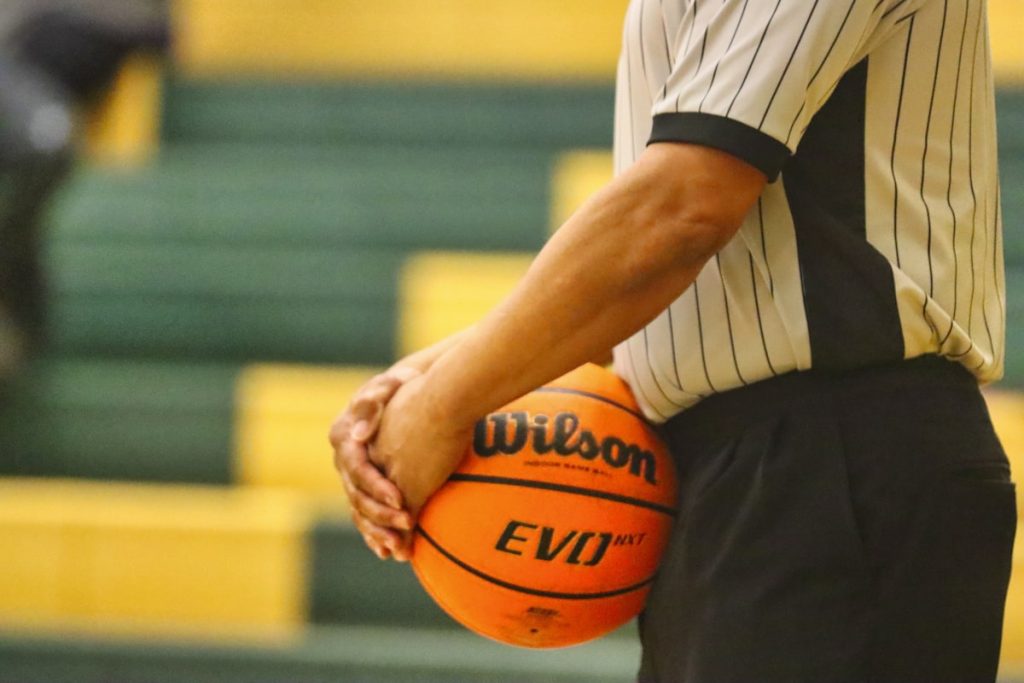
A flagrant foul is a serious personal foul in basketball involving unnecessary or excessive contact. It is usually called when a player makes dangerous contact, especially without a legitimate attempt to play the ball, or puts an opponent at an increased risk of injury.
The exact wording depends on the competition. In the NBA, officials classify flagrant fouls as Flagrant 1 or Flagrant 2. FIBA and other international competitions generally use the term unsportsmanlike foul for similar incidents. The central idea is the same: ordinary physical contact has crossed into dangerous or unacceptable conduct.
What makes a foul flagrant?
Officials consider the nature of the contact, the player’s intent, and the risk created by the action. Intent can matter, but a player does not always need to deliberately injure an opponent for a foul to receive a flagrant classification.
Situations that may lead to a flagrant foul include:
- A hard hit to an opponent’s head, neck, or face.
- A dangerous shove while a player is airborne or attempting to land.
- An unnecessary swing of the arm that makes forceful contact.
- A severe collision with little or no chance of making a legal play on the ball.
- A tackle-like action, hold, or body check that creates a significant risk of injury.
Not every hard foul is flagrant. Basketball allows some physical contact during legal defensive plays, and a fast-paced game can produce accidental collisions. Officials examine the whole sequence rather than judging the outcome alone. A player falling badly does not automatically mean the defender committed a flagrant foul.
Flagrant 1 vs Flagrant 2
In NBA terminology, a Flagrant 1 foul is unnecessary contact. The action is more serious than a standard personal foul, but it does not reach the level of excessive or dangerous conduct required for an ejection.
A Flagrant 2 foul is unnecessary and excessive contact. It results in the offending player being ejected from the game. Officials may reach this decision when the contact is particularly violent, reckless, or clearly threatens an opponent’s safety.
| Foul type | Typical meaning | NBA consequence |
|---|---|---|
| Personal foul | Illegal contact within the normal range of basketball plays | Free throws or possession, depending on the situation |
| Flagrant 1 | Unnecessary contact | Two free throws and possession for the opposing team |
| Flagrant 2 | Unnecessary and excessive contact | Two free throws, possession, and ejection |
NBA rules also apply a penalty point to flagrant fouls. A player can be suspended after accumulating enough points during the regular season or playoffs. The league may also review an incident after the game and change the classification or impose an additional penalty.
How is a flagrant foul different from a technical foul?
A flagrant foul is primarily about illegal physical contact. A technical foul usually concerns unsportsmanlike behavior, such as arguing aggressively with officials, using abusive language, delaying the game, or committing certain rule violations without physical contact.
There can be overlap. An incident may involve both physical contact and behavior that officials consider unsportsmanlike, but the two foul categories are not interchangeable. A technical foul does not automatically mean that a player made a dangerous play, while a flagrant foul does.
What happens after a flagrant foul?
In the NBA, the opposing team receives two free throws and keeps possession after either type of flagrant foul. The offended team can therefore score from the free throws and retain the ball, making a flagrant call more costly than a regular shooting or personal foul.
Officials can review many potential flagrant fouls using instant replay. They may confirm the original call, reduce a Flagrant 2 to a Flagrant 1, upgrade a Flagrant 1 to a Flagrant 2, or determine that the contact was not flagrant. A player who is ejected cannot return to the game.
Rules differ outside the NBA. Under FIBA rules, an unsportsmanlike foul can be called for excessive contact, contact that is not a legitimate attempt to play the ball, or contact that stops a promising transition. The free-throw and possession consequences can also depend on the specific play and competition regulations.
Examples of flagrant foul situations
A defender who reaches for the ball and accidentally clips an opponent’s arm will usually receive an ordinary foul if the contact is limited. If that same defender swings through with force and strikes the opponent in the head, officials may call a flagrant foul.
Similarly, a hard box-out is not automatically illegal. But pushing an airborne player from behind so that the player has no safe way to land is a common example of contact that may be treated as flagrant. The location of the contact, the player’s position, and the danger created all influence the decision.
The best short definition is this: a flagrant foul is dangerous or unnecessarily severe illegal contact that deserves a stronger penalty than a normal personal foul. The classification and punishment depend on the rules used by the league or tournament.