
Extra Time vs Stoppage Time: What Is the Difference in Football?
Extra time and stoppage time are both added to a football match, but they serve different purposes. Learn when each is used, how long it lasts, and how it affects the result.
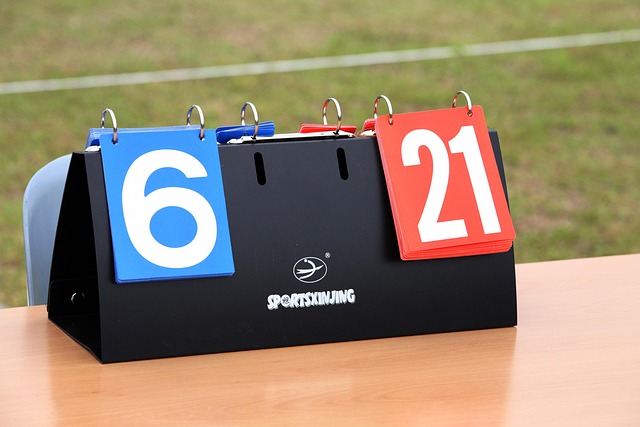
Extra time and stoppage time are not the same thing in football. Stoppage time is added to the end of each regular half to compensate for delays during play. Extra time is an additional period played after a drawn knockout match when a competition requires a winner.
What is stoppage time?
Stoppage time, also called added time or injury time, is the time added to the end of the first half and second half. The referee allows for minutes lost through events such as injuries, substitutions, goal celebrations, disciplinary action, video reviews, time-wasting and delays caused by penalties or set pieces.
The fourth official usually displays the minimum amount of added time near the end of each half. The referee can extend that period if another delay occurs, but the displayed number is not normally reduced. Stoppage time is still part of the same half, so a goal scored during it counts in the regular match time.
For example, if a match has seven minutes of added time after the second half, play continues until the referee ends the half. This does not create a new period of extra time; it only restores time lost during the 45-minute half.
What is extra time?
Extra time is played after the scheduled 90 minutes when a knockout match is level and the competition rules require a winner. It is not automatically used in every drawn football match. League games and many group-stage matches can finish as a draw.
Under the standard Laws of the Game, extra time consists of two equal periods of up to 15 minutes each, with a short interval between them. That means a match can include up to 30 minutes of extra time after the initial 90 minutes and any stoppage time.
Extra time may be used in competitions such as cup ties, playoff matches and certain tournament knockout rounds. The tournament regulations determine whether a tied match goes directly to a penalty shootout or uses extra time first.
Extra time vs stoppage time compared
| Feature | Stoppage time | Extra time |
|---|---|---|
| Purpose | Replaces time lost during normal play | Decides a winner in a match that remains level |
| When it happens | At the end of each regular half | After the scheduled match has finished |
| Typical length | Usually several minutes, depending on delays | Two periods of up to 15 minutes |
| Where it applies | Any match, including league games | Only when competition rules require a winner |
| Effect on the match clock | Extends the current half | Creates two additional playing periods |
How stoppage time works during extra time
Stoppage time can also be added at the end of each period of extra time. Delays during the additional 30 minutes, including substitutions, injuries and goal celebrations, may therefore extend the match beyond the nominal extra-time duration.
This is why a match described as having “30 minutes of extra time” can last longer than 30 minutes in practice. The two concepts remain separate: extra time is the additional playing period, while stoppage time compensates for interruptions within that period.
What happens if the score is still level?
If the teams are still tied after extra time, the competition usually uses a penalty shootout to determine the winner. A shootout is a separate method of deciding the match and is not another form of extra time.
Competition rules can vary. Some matches go directly from regular time to penalties, while others use extra time before the shootout. The match regulations, rather than the scoreline alone, determine which procedure applies.
Common questions about added time and extra time
Is stoppage time included in the 90 minutes?
It is added to the end of the two 45-minute halves, so the match lasts longer than 90 minutes in real time. It is still part of regulation play rather than a separate extra-time period.
Does extra time include stoppage time?
Yes. Referees can add time for interruptions during both extra-time periods, just as they do during regular play.
Can a league match have extra time?
Usually not. Most league matches can end in a draw. Extra time is more commonly reserved for knockout fixtures or playoffs where the competition must produce a winner.
Is injury time the same as stoppage time?
Yes. “Injury time” is a widely used term for stoppage time, although the added minutes account for more than injuries. Substitutions, reviews, celebrations and other delays are also considered.