
What Is a Free Kick in Soccer? Rules and Types Explained
A free kick in soccer is a restart awarded after an opposing player commits a foul or infringement. Learn the difference between direct and indirect free kicks, how they are taken, and when a goal can be scored.
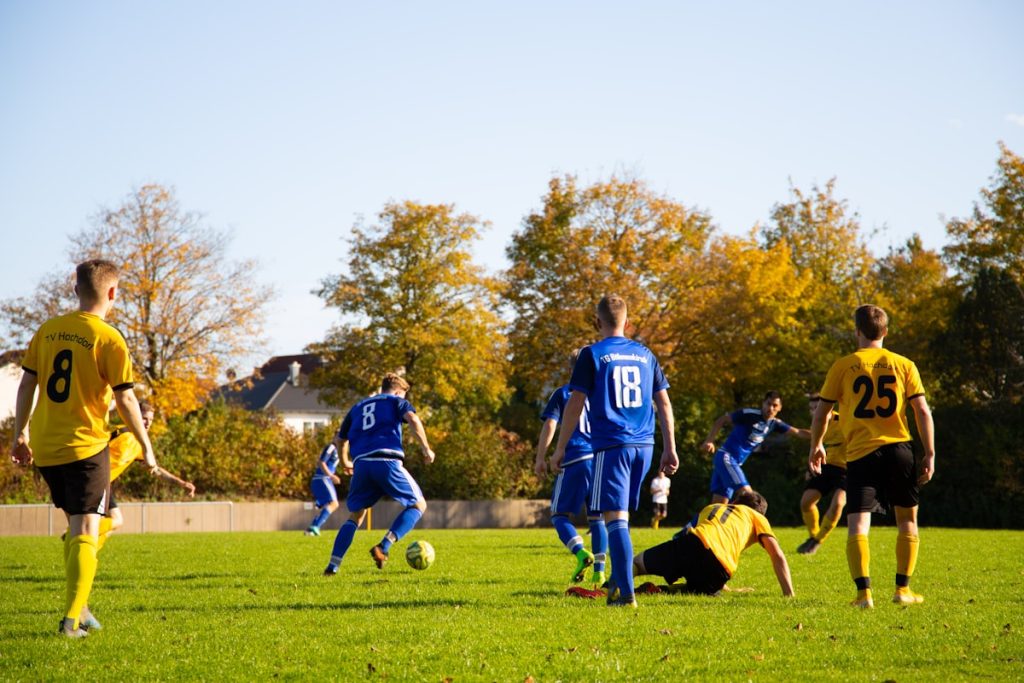
A free kick in soccer is a method of restarting play after a player commits a foul or another infringement. The opposing team takes the kick from the location of the offense, subject to specific rules about the ball, opposing players, and scoring.
What causes a free kick?
The referee may award a free kick for offenses such as tripping, pushing, holding, kicking, striking, or handling the ball deliberately. A free kick can also follow certain technical offenses, including dangerous play, impeding an opponent without contact, or an offside violation.
The location matters. Most free kicks are taken where the offense occurred, although some defensive offenses inside the penalty area result in a penalty kick instead.
Direct and indirect free kicks
Direct free kick
A direct free kick allows the kicker to score directly. If the ball enters the opponents’ goal without touching another player, the goal counts. Direct free kicks are normally awarded for physical fouls and deliberate handball offenses.
A direct free kick can also be scored directly into the defending team’s goal. However, if it goes straight into the kicker’s own goal, the other team receives a corner kick rather than a goal.
Indirect free kick
An indirect free kick requires the ball to touch another player before a goal can be scored. The referee signals this type of restart by raising one arm and keeping it raised until another player touches the ball or play stops.
If an indirect free kick goes straight into the opponents’ goal, the goal is disallowed and the defending team takes a goal kick. If it goes directly into the kicker’s own goal, the opponents receive a corner kick.
How a free kick is taken
The ball must be stationary before the kick. It is usually placed at the spot identified by the referee, and the player taking the restart may pass, cross, or shoot depending on the type of free kick.
Opponents generally must remain at least 9.15 metres, or 10 yards, from the ball until it is in play. They may stand closer if the defending team takes a quick free kick and the kicker chooses to restart before opponents have time to retreat. The ball is in play when it is kicked and clearly moves.
At a free kick close to goal, defenders often form a wall to block the shooting angle. The goalkeeper may organize the wall while watching for a direct shot, a pass, or a curled cross.
Free kick, penalty kick, and corner kick compared
A free kick is awarded for many fouls and infringements and can be taken from different areas of the field. A penalty kick is awarded when a direct-free-kick offense is committed by the defending team inside its own penalty area. It is taken from the penalty mark with only the goalkeeper defending.
A corner kick is awarded when the defending team last touches the ball before it crosses its own goal line without entering the goal. It is taken from the nearest corner area, not from the location of a foul.
Common free-kick situations
- Foul near the penalty area: The attacking team may shoot directly, play a short pass, or deliver the ball into the box.
- Indirect free kick in the penalty area: This can follow a goalkeeper offense, such as controlling the ball for too long or handling a deliberate back-pass from a teammate.
- Quick free kick: The team may restart immediately to catch the opponents out of position, provided the ball is placed correctly and the referee has not stopped play.
- Free kick inside the defending penalty area: Opponents must stay outside the penalty area until the ball is in play, with some special provisions for the restart.
The central distinction is simple: a direct free kick can produce a goal without another touch, while an indirect free kick cannot. The referee’s signal and the nature of the offense determine which type of restart applies.