Mental Training for Athletes: Skills That Improve Focus and Performance
Learn how mental training for athletes can improve concentration, confidence, emotional control and decision-making before, during and after competition.
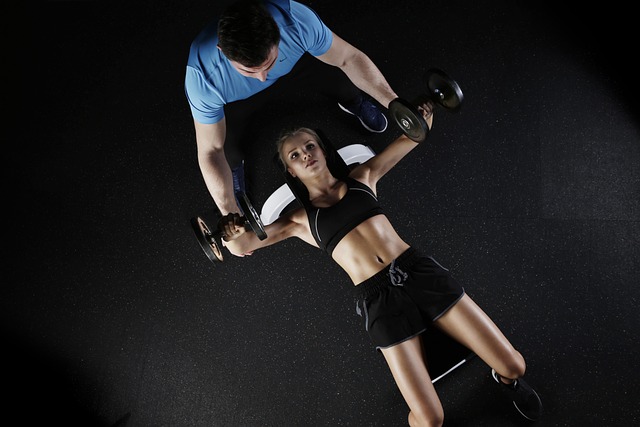
Mental training for athletes is the deliberate practice of psychological skills that support performance. It can help an athlete stay focused, respond to mistakes, manage competition pressure and make better decisions when a match or race becomes difficult.
These skills are not a replacement for physical preparation. They work alongside technical practice, fitness, recovery and sound coaching. The most effective approach is regular and specific: athletes train the mind in situations that resemble the demands of their sport.
What mental training can improve
Sports mental training covers several connected abilities. The goal is not to eliminate nerves or difficult emotions. Instead, athletes learn to notice those reactions and choose a useful response.
- Concentration: Returning attention to the next relevant task after a distraction.
- Confidence: Building trust in preparation without depending on perfect results.
- Emotional control: Managing frustration, fear, excitement and anger before they affect execution.
- Resilience: Recovering after an error, poor decision or unexpected setback.
- Decision-making: Staying clear-headed when time, fatigue or pressure limits options.
- Consistency: Repeating a reliable performance routine in training and competition.
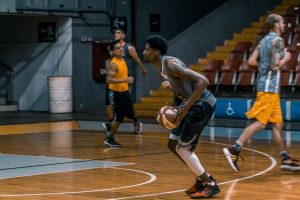
These abilities apply across sports. A football player may need to reset after conceding a goal, a basketball player may need a clear routine before a free throw, and a runner may need to control pacing when competitors surge.
Core mental skills for athletes
Performance visualization
Visualization, also called mental imagery, involves rehearsing a skill or situation in the mind. An athlete can imagine the setting, movement, timing and likely obstacles rather than simply picturing a successful result.
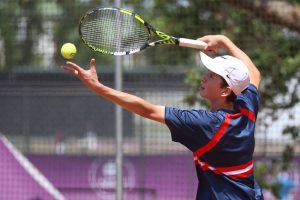
A useful imagery session is detailed and realistic. A tennis player might rehearse the ball toss, contact point, sound of the serve and response to a difficult return. A goalkeeper could imagine reading the shooter, setting the feet and reacting to a penalty. Imagery should complement physical practice, not replace it.
Self-talk and attention cues
Self-talk is the language athletes use internally during preparation and competition. Helpful statements are short, credible and linked to an action. Examples include “watch the ball,” “quick feet,” “strong finish” or “next play.”
Long motivational speeches are often difficult to use under pressure. A small set of personal cues can direct attention toward controllable actions. Athletes should test these phrases in training so they feel natural during competition.
Breathing and arousal control
Controlled breathing can help an athlete settle excessive tension or regain focus between plays. Slow breaths with a relaxed, extended exhale are practical during a pause, substitution or pre-performance routine.
The aim is not always to become completely calm. Some sports require high energy. The useful target is an appropriate level of alertness: composed enough to make decisions, but activated enough to move with intent.
Pre-performance routines
A pre-game or pre-event routine gives the mind a familiar sequence to follow. It may include equipment checks, breathing, a brief imagery exercise, a physical cue and one performance focus.
Good routines are short, repeatable and flexible. They should prepare the athlete for the task rather than become a superstition that creates anxiety when one part cannot be completed.
How to build a mental skills routine
Mental preparation becomes more useful when it is connected to a specific performance problem. Start by identifying a moment that regularly causes difficulty, such as losing focus after an error, rushing under pressure or becoming tense before a start.
- Choose one target: Define the behaviour you want to improve, such as resetting within ten seconds after a mistake.
- Select a tool: Match the problem with a breathing exercise, cue word, imagery sequence or reset routine.
- Practice in training: Use the skill during ordinary sessions before applying it in important competition.
- Add pressure gradually: Rehearse the routine after fatigue, during timed drills or in realistic competitive scenarios.
- Review the result: Record what happened, what helped and what should change next time.
A simple daily mental training session may take five to ten minutes. An athlete could spend two minutes on breathing, three minutes rehearsing a demanding situation and two minutes writing a performance intention. Consistency matters more than making the session long.
Using mental training before, during and after competition
Before competition
Pre-competition preparation should direct attention toward controllable actions. Instead of trying to predict every possible outcome, an athlete can review the opening task, personal strengths and response plans for likely challenges.
Useful questions include: What is my first job? Which cue will bring me back to the present? How will I respond if the opening does not go well? Having answers in advance reduces the need to improvise under stress.
During competition
In competition, mental skills should be brief. A reset sequence might be: recognize the mistake, take one controlled breath, use a cue word and focus on the next action. This approach prevents one poor moment from turning into several.
Attention can also be divided into controllable and uncontrollable factors. Effort, positioning, communication and decision-making are usually controllable. Referee calls, weather, opponents’ choices and crowd reactions are not. Returning attention to the first group supports better performance.
After competition
Effective performance reflection is specific rather than harsh. Athletes can review what they did well, where concentration or emotional control slipped, and which response they will rehearse in the next session.
A short performance journal may include the situation, thoughts or feelings, action taken and outcome. This helps identify patterns without treating a single result as a complete judgment of ability.
Common mistakes in sports mental training
One common mistake is using mental skills only on competition day. Like strength or technique, concentration and emotional control improve through repeated practice. Another is choosing vague goals such as “stay confident” instead of observable actions such as “use my reset routine after an error.”
Athletes may also confuse confidence with the absence of doubt. Confidence can mean trusting a preparation process while still feeling nervous. Trying to force positive thoughts can be counterproductive if the statements feel unrealistic. Neutral, action-based cues are often easier to believe.
Finally, mental training should not become a reason to ignore persistent distress, sleep problems or overwhelming performance anxiety. A qualified sport psychologist, mental health professional or appropriately trained coach can provide individual support, particularly when anxiety affects daily life or enjoyment of sport.
Measuring progress in mental performance
Progress is best judged through behaviours and responses, not only scores or results. An athlete might track how quickly they recover after mistakes, how consistently they use a pre-performance routine, or whether they maintain decision quality late in a session.
Results will still vary because opponents, conditions and physical factors change. A stronger mental game does not guarantee victory every time. It gives athletes more reliable ways to prepare, compete and respond when circumstances move away from the plan.