How to Improve Basketball Shooting: A Practical Training Framework
Improve basketball shooting with better mechanics, purposeful repetition, footwork, shot selection, and pressure-based practice. This framework explains what to train and how to measure progress.
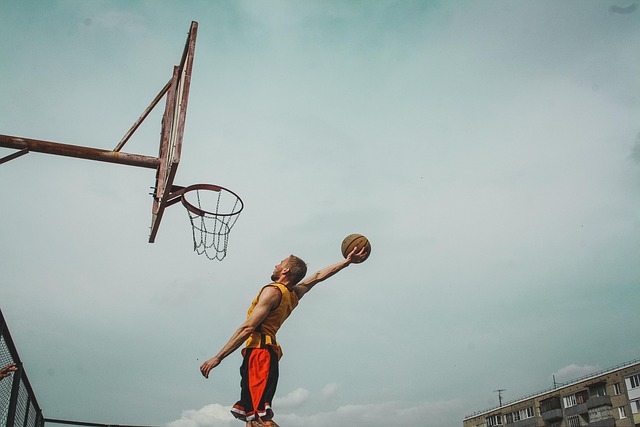
Improving basketball shooting is less about taking the largest possible number of shots and more about repeating a reliable movement under increasingly difficult conditions. A useful shooting program combines mechanics, balance, footwork, decision-making, and feedback. It should also distinguish between a technical problem, such as poor alignment, and a performance problem, such as rushing when tired or closely defended.
Build a repeatable shooting motion
Good shooting mechanics do not need to look identical for every player, but they should produce a consistent path from preparation to release. Begin with a balanced stance, feet roughly shoulder-width apart, knees relaxed, and the shooting-side foot slightly ahead if that position feels natural. The body should be stable enough to transfer force upward without leaning or fading unnecessarily.
Keep the ball in a comfortable shooting pocket rather than moving it across the body. The shooting hand should sit behind the ball, while the non-shooting hand provides side support without pushing during the release. As the ball rises, the elbow should remain generally beneath the ball. Exact elbow position can vary with body structure, but a consistently flared elbow often makes the shot travel sideways.
Release the ball through the fingers with a relaxed wrist and a finish that points toward the rim. Backspin is a natural result of a clean release, not something that should be forced by aggressively snapping the wrist. Hold the follow-through briefly so you can identify whether the hand finished toward the target and whether the body remained balanced.
Use the lower body without adding unnecessary movement
Legs and hips provide much of the force for a jump shot. The upward movement should be smooth, with the ball and body rising in a coordinated sequence. Bending too deeply can slow the shot and make range inconsistent, while using too little leg drive may cause the upper body to compensate by pushing the ball forward.
A straight-up finish is not mandatory, particularly on shots taken at speed, but excessive drifting makes accuracy harder to reproduce. Track your landing position during practice. If you regularly land far in front of, behind, or to one side of your starting point, investigate the cause rather than automatically changing the release.
Practice shooting in a useful progression
Start close to the basket so the player can focus on control, alignment, and release instead of using extra force. Form shooting from short distances is valuable because missed shots reveal mechanical errors clearly. Make several shots with one hand, then add the guide hand while keeping the same release action.
Move through a progression such as:
- Short one-hand shots near the rim.
- Stationary shots from several mid-range positions.
- Catch-and-shoot attempts after setting the feet.
- Shots after a one- or two-dribble move.
- Game-speed attempts with a defender, closeout, or time limit.
The purpose of this sequence is to preserve the same basic shooting action while adding movement and pressure. If accuracy collapses after moving farther away, return to a shorter distance where the correct motion can be maintained. Shooting from beyond a player’s current range may create a habit of pushing the ball, lowering the release, or leaning backward.
Train both catch-and-shoot and off-the-dribble shots
Catch-and-shoot practice develops preparation, footwork, and quick alignment. Work on different receiving angles rather than always catching the ball directly in front of the body. Practice stepping into the shot, hopping into balance, and turning the hips when the pass arrives from the side.
Off-the-dribble shooting requires a different preparation. The final dribble must allow the player to gather the ball without losing balance. Practice pull-ups from both directions and finish the move with the shoulders and hips aligned to the rim. A shot that is technically sound from a standstill may become inaccurate if the player rises before the feet and torso are organized.
Improve accuracy through feedback and measurement
Record makes and attempts separately for each type of shot. A single overall shooting percentage can hide useful information. For example, a player may shoot well from a stationary position but struggle after a sprint, from the corners, or when a defender closes out. Tracking these categories identifies the specific skill that needs attention.
Useful categories include free throws, stationary jump shots, catch-and-shoot attempts, pull-ups, shots from different court zones, and contested attempts. Keep the conditions reasonably consistent when comparing sessions. Ten relaxed shots in an empty gym do not measure the same skill as ten attempts taken after movement with a short decision window.
Video can provide feedback that is difficult to notice during practice. Review the feet, shooting-side elbow, release point, balance, and landing position. Look for patterns across several attempts rather than changing technique after one miss. The location of the miss also offers clues: short shots may indicate insufficient force or fatigue, while left-right misses may point to alignment or guide-hand interference.
Develop a reliable free-throw routine
Free throws provide a controlled setting for rehearsing rhythm and concentration. Use the same number of breaths, dribbles, visual target, and pause before each attempt. The routine should be brief enough to repeat during games and flexible enough to remain practical in different venues.
Consistency in the routine does not guarantee makes, but it reduces unnecessary variation. Focus on the process—balanced stance, controlled lift, clean release, and complete follow-through—rather than trying to steer the ball into the basket. Track free throws over larger samples because short sessions can be heavily influenced by fatigue or normal variation.
Correct common shooting problems
Shots fall short
Short shots can result from inadequate leg drive, a rushed release, fatigue, or shooting from a distance that exceeds the player’s current range. First check whether the mechanics remain intact. If the player is pushing the ball with the upper body or landing off balance, move closer and rebuild the motion before adding distance.
Shots miss left or right
Side misses often involve foot and hip alignment, inconsistent hand placement, or the non-shooting hand influencing the ball. Use close-range one-hand shooting to isolate the release. Then add the guide hand lightly and monitor whether the miss returns. The correction should address the repeated movement pattern rather than forcing the ball toward the opposite side.
The shot works in practice but not in games
This usually indicates a transfer problem rather than a complete lack of shooting ability. Practice may not include enough movement, decision-making, defensive pressure, or fatigue. Add realistic constraints gradually: sprint before receiving the ball, respond to a passing cue, shoot after a live dribble, or use a defender who contests without fouling.
The player changes form after a miss
Constantly rebuilding the shot after individual misses can make the movement less stable. A miss is information, not automatic proof that the entire technique is wrong. Review a group of attempts, identify the most frequent error, and make one adjustment at a time. Technical changes should be tested over multiple practices before being judged.
Create a sustainable shooting schedule
Short, focused sessions are often more productive than occasional marathons. A session might begin with close-range mechanics, progress to stationary and movement shots, and finish with game-like attempts or free throws. The exact number of shots should depend on age, training history, recovery, and whether the player also has team practices.
Quality should decline only modestly as the session continues. If fatigue causes repeated mechanical breakdowns, reduce the volume or add rest. Players should also avoid practicing through sharp pain, particularly in the shoulder, elbow, wrist, knee, or lower back. Persistent pain warrants assessment by a qualified health professional.
The most effective basketball shooting drills are those that match the player’s current weakness and gradually resemble the shots they need in competition. Consistent mechanics provide the foundation, but accurate shooting ultimately depends on transferring that motion to different distances, footwork patterns, speeds, and levels of defensive pressure.