Best Exercises for Athletes: Build Strength, Speed, Power and Endurance
Discover the most effective exercises for athletes, including strength, explosive power, speed, agility, conditioning, mobility and core movements.
The best exercises for athletes improve qualities that transfer to sport: force production, explosive power, acceleration, change of direction, conditioning, mobility and control. A balanced training plan should combine compound strength movements with jumps, sprints, sport-specific drills and recovery rather than relying on one exercise.
Strength exercises for athletes
Strength training helps athletes produce force, protect joints and maintain technique under fatigue. Use controlled repetitions, full-range movement where appropriate and a load that allows consistent form.
- Squats: Back squats, front squats and goblet squats train the hips, thighs and trunk for jumping, sprinting and contact.
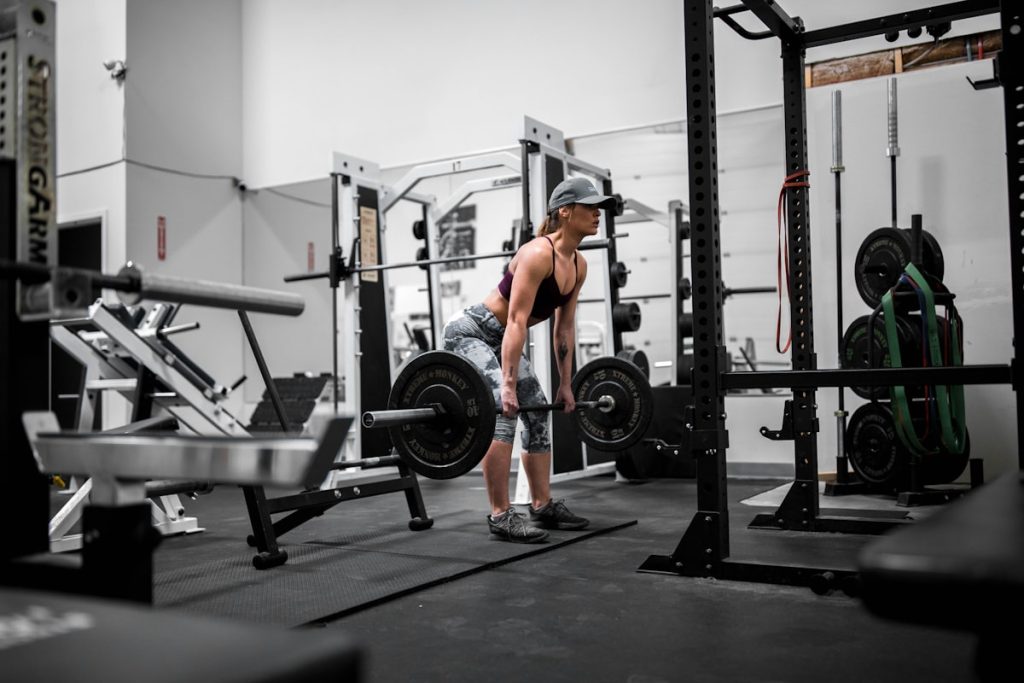
- Deadlifts: Conventional, trap-bar and Romanian deadlifts develop the posterior chain, including the glutes, hamstrings and back.
- Split squats: Bulgarian split squats and rear-foot-elevated split squats build single-leg strength and balance.
- Lunges: Forward, reverse and lateral lunges train the legs through sport-relevant positions.
- Push-ups and presses: These exercises develop upper-body pushing strength while challenging shoulder and trunk stability.
- Pull-ups and rows: Vertical and horizontal pulling movements strengthen the back, arms and muscles that support the shoulders.
- Loaded carries: Farmer carries and suitcase carries improve grip, posture, bracing and whole-body coordination.
Free weights are not essential for every athlete. Resistance bands, dumbbells, kettlebells and bodyweight exercises can all be effective when progression, technique and training volume are managed well.
Explosive power exercises
Power is the ability to apply force quickly. It supports jumping, throwing, striking, sprinting and rapid reactions. Perform explosive exercises early in a session, after a warm-up, while you are still fresh.
- Squat jumps: Jump vertically with a controlled landing and use a low number of high-quality repetitions.
- Box jumps: Focus on an explosive takeoff and a quiet, stable landing. Choose a box height that does not require excessive hip flexion.
- Broad jumps: These develop horizontal force useful for acceleration and powerful movement.
- Medicine-ball throws: Chest passes, overhead throws and rotational throws train explosive upper-body and trunk action.
- Kettlebell swings: The hip-driven movement develops power in the glutes and hamstrings when performed with proper control.
- Olympic-lift variations: Hang cleans and high pulls can build power, but they require coaching and sound technical preparation.
Allow sufficient rest between explosive sets. Fatigue that causes slow takeoffs, poor landings or loss of control is a signal to stop the exercise or extend the recovery period.
Speed and agility exercises
Speed training should include both straight-line acceleration and the ability to brake, redirect and react. Short, high-quality efforts are usually more useful than running repeated sprints with deteriorating mechanics.
- Acceleration sprints: Run short distances from a standing or split stance, emphasizing a strong forward drive.
- Flying sprints: Build speed gradually before entering a short high-speed zone. These are best reserved for athletes with adequate sprint preparation.
- Hill sprints: A moderate incline can encourage powerful mechanics while reducing some of the demands of top-speed running.
- Shuttle runs: Short out-and-back runs train acceleration, deceleration and repeated changes of direction.
- Lateral shuffles: Move under control while keeping the hips low and maintaining alignment through the knees and feet.
- Reactive drills: Partner signals, colored cones or coach instructions add decision-making to footwork and agility training.
Agility is more than moving through a ladder pattern. Effective change-of-direction training teaches athletes to recognize a cue, slow down safely and produce force in a new direction.
Conditioning exercises for athletes
Conditioning should match the energy demands of the sport. Team-sport athletes may need repeated short bursts, while endurance athletes typically require longer continuous or interval efforts.
- Tempo runs: Controlled running at a moderate intensity develops aerobic capacity without the stress of maximal sprinting.
- Interval running: Alternating hard efforts with recovery improves the ability to repeat high-intensity work.
- Shuttle intervals: These combine cardiovascular training with acceleration and deceleration.
- Cycling or rowing: Low-impact options can build fitness when running volume needs to be limited.
- Sled pushes and pulls: These provide resistance-based conditioning and can train the legs with relatively low eccentric stress.
- Sport-specific circuits: Combine movements such as carries, step-ups and medicine-ball work while keeping technique consistent.
Hard conditioning sessions should not be added on top of every demanding practice. Training load, competition schedule, sleep and injury history all affect how much high-intensity work an athlete can recover from.
Core and mobility exercises
A strong athletic core transfers force between the lower and upper body and helps control unwanted movement. Useful core exercises include dead bugs, side planks, Pallof presses, bird dogs, rollouts and controlled hanging knee raises.
Mobility work should target restrictions that affect technique or position. Ankle dorsiflexion drills, hip mobility exercises, thoracic rotations and shoulder-control movements can support squatting, sprinting, throwing and overhead actions. Dynamic mobility is generally suitable before training, while longer relaxed stretches may fit better after exercise or during a separate recovery session.
How to build an athletic training session
A practical session often begins with a general warm-up, dynamic mobility and movement preparation. Place speed, jumps or throws before heavy strength work, then finish with accessory exercises, conditioning or a short cooldown when appropriate.
- Warm up with easy movement and sport-relevant mobility.
- Perform a small amount of speed, jumping or throwing work.
- Train major strength movements such as a squat, hinge, push or pull.
- Add single-leg, core or injury-prevention exercises.
- Complete conditioning only if it fits the day’s purpose and recovery plan.
Beginners can start with two or three total-body strength sessions each week, using manageable loads and leaving repetitions in reserve. More experienced athletes may divide sessions by quality, such as strength, speed and conditioning, but the best schedule depends on the sport and competitive calendar.
Safety and progression
Increase training gradually by changing one main variable at a time: resistance, repetitions, distance, speed or total sets. Stop an exercise when sharp pain, unusual joint instability, dizziness or a major loss of technique appears. Athletes returning from injury should follow advice from a qualified healthcare professional, coach or strength-and-conditioning specialist.
Consistent sleep, nutrition, hydration and rest days influence performance as much as exercise selection. The most effective athletic workout is one that can be performed safely, recovered from properly and progressed over time.