How to Serve in Tennis: Technique, Timing, and Practice
Learn how to serve in tennis by building a reliable motion from the ground up, including the grip, stance, ball toss, swing path, contact point, and common corrections.
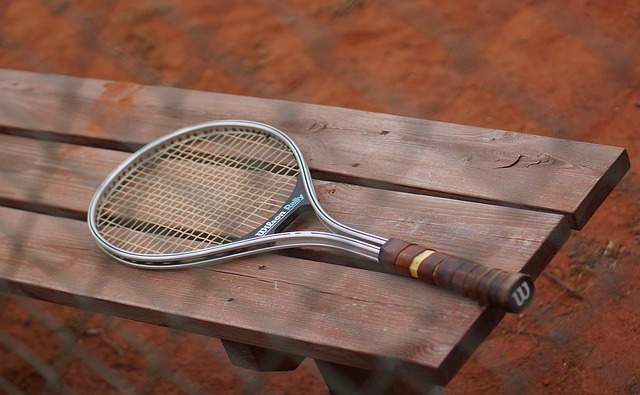
A reliable tennis serve begins with repeatable positions rather than maximum force. The motion combines a continental grip, balanced stance, controlled ball toss, leg drive, shoulder rotation, and a high contact point. Players who learn these elements in sequence can develop more pace and accuracy while reducing unnecessary strain on the shoulder, elbow, and lower back.
What makes an effective tennis serve
The serve is the only stroke that starts from a stationary ball and can be prepared without reacting to an opponent’s shot. That makes consistency more valuable than raw speed. A sound serve should give you a predictable contact point, enough clearance over the net, and a landing area that makes the next shot manageable.
Most serves use the same broad chain of movement: the legs create upward drive, the trunk and shoulders rotate, the arm accelerates, and the racket continues through contact into the follow-through. If the arm tries to produce all the power by itself, the motion usually becomes less reliable and places more stress on the upper body.
How to hold the racket for a serve
Use a continental grip, sometimes described as the grip used for a hammer or a chopping motion. The base knuckle of the index finger rests on the appropriate bevel of the handle, allowing the racket face to change naturally during the swing.
This grip matters because it supports several types of tennis serves. It allows the racket edge to lead toward the ball, helps create racket-head speed through pronation, and makes it possible to hit flat, slice, and kick serves without completely changing the hand position. An overly strong forehand grip often opens the racket face too early and encourages players to slap at the ball.
Build the serving stance and starting position
Stand sideways to the net with your front foot angled roughly toward the intended service box and your back foot positioned behind it. The exact stance can vary, but both feet should provide balance rather than restrict the rotation of the hips and shoulders.
Begin with the racket and ball together in front of the body. Keep the shoulders relaxed and distribute your weight comfortably between both feet. Avoid leaning backward before the toss. A stable starting position makes it easier to repeat the same preparation on every point.
There are two common footwork patterns. In a platform stance, the feet remain separated as the player bends and drives upward. In a pinpoint stance, the back foot moves toward the front foot during the loading phase. Neither is automatically superior. A platform stance can make balance easier to monitor, while a pinpoint stance may help some players create a stronger upward drive. Choose the pattern that preserves control and does not cause the feet to collide or drift.
Control the tennis ball toss
The toss is one of the most influential parts of the serve. Release the ball from the fingertips with the tossing arm moving upward in a smooth line. Do not flick the wrist or add unnecessary spin. The ball should rise high enough to allow full extension, then descend into the intended contact area.
For a basic flat serve, toss the ball slightly in front of the hitting shoulder and inside the court. A toss that falls behind the body often forces the player to arch the back or contact the ball late. A toss that is too far forward can pull the body off balance and reduce control.
Consistency does not mean every toss must land in exactly the same spot for every serve. Slice and kick serves use different contact locations, but each variation should have its own repeatable toss. Practice tossing without hitting until the ball returns to a comfortable height and position several times in succession.
The tennis serve motion from preparation to contact
Loading the legs and upper body
As the ball rises, bend the knees slightly and allow the racket arm to move into a comfortable preparation position. The tossing arm should remain extended toward the ball for as long as possible. This helps the body stay aligned and gives the hitting shoulder time to load.
The racket does not need to be forced into an extreme position behind the head. Excessive shoulder rotation or a deep racket drop can make timing difficult. A relaxed motion with a natural bend in the elbow is usually easier to repeat.
Driving upward
Begin the upward motion by pushing from the legs and extending toward the ball. The body should move up and slightly forward, not simply jump vertically. The hips and trunk contribute to the sequence, but the head should remain relatively steady so the eyes can track the contact area.
Think of reaching high rather than swinging hard from the start. This promotes a longer contact zone and helps the racket accelerate later in the motion. The tossing arm can fold toward the body as the racket arm rises.
Contacting the ball
Contact the ball at a comfortable full extension in front of the hitting shoulder. The exact height depends on body proportions and the type of serve, but the arm should not be locked rigidly or forced beyond a natural reach.
For a flat serve, the racket travels more directly through the back of the ball. For a slice serve, the racket brushes across the ball from one side to create sidespin. For a kick serve, the racket travels upward and across the back of the ball to create a higher bounce. These descriptions are movement principles, not instructions to force the wrist. The racket should be accelerated by the whole motion, with the hand and forearm remaining relatively loose.
Finishing the follow-through
After contact, allow the racket to continue down and across the opposite side of the body. Land inside the court with balance and enough control to recover for the next shot. A forced or abrupt finish often indicates that the player tried to stop the racket rather than allowing the swing to decelerate naturally.
The landing position also provides useful feedback. Landing far to one side may reveal a misdirected toss, an open stance, or a swing path that moved across the ball too early. A stable landing does not guarantee a good serve, but repeated instability is a sign that the motion needs adjustment.
Flat, slice, and kick serves
A flat serve is hit with relatively little spin and can produce high speed, but it has a smaller margin for error because the ball must clear the net and land within the service box. It is commonly used as a first serve when the player can accept the greater risk.
A slice serve uses sidespin to move through the air and bounce away from the receiver or toward the receiver’s body, depending on placement and the server’s side of the court. The spin can make the serve harder to read and can create a useful angle without requiring maximum speed.
A kick serve uses a more upward brushing path and normally bounces higher than a flat or slice serve. It can provide more net clearance and is often useful as a second serve. Creating reliable kick-spin requires timing, racket-head speed, and a consistent toss; simply throwing the ball higher or brushing violently across it will not automatically produce the desired result.
Common serving mistakes and practical fixes
- Using a forehand grip: Change gradually to a continental grip and practice gentle serves before adding speed.
- Inconsistent toss: Separate toss practice from serving practice. Release the ball from the same height and avoid wrist movement.
- Opening the racket face: Keep the continental grip and lead with the edge of the racket rather than presenting the strings too early.
- Trying to hit hard with the arm: Reduce effort, improve the leg drive and sequence, then increase racket-head speed progressively.
- Contacting behind the body: Move the toss slightly forward and maintain the chest and head position as the racket rises.
- Falling sideways: Check the toss and starting stance. The body should drive up and into the court without being pulled sharply to either side.
- Changing technique during a second serve: Use a dependable spin serve with a controlled target instead of slowing the entire motion or abandoning the normal preparation.
How to practice the serve efficiently
Start with shadow swings and toss repetitions so the motion can be learned without the pressure of making the ball land in the service box. Next, hit from a shortened court position or from the service line. This reduces the distance and lets you focus on contact, racket path, and balance.
When serving from the baseline, use a clear target such as the body, wide area, or center line. Record first-serve percentage, double faults, and whether the ball reaches the intended zone. Speed can be measured later, but it should not replace accuracy and repeatability as the main training criteria.
Practice in blocks at first, such as several serves to one target, then vary the target and serve type. Include pressure sets after the basic motion is stable: for example, require a certain number of serves in before changing direction. Stop or reduce intensity if shoulder or elbow pain develops. Technical fatigue can change the swing and make poor habits harder to identify.
Safety and long-term development
Warm up the shoulders, trunk, hips, and legs before serving at full intensity. A gradual progression is preferable to immediately hitting a large number of maximum-effort serves. The serve places repeated demands on the shoulder and lower back, particularly when mobility, strength, or timing is limited.
Persistent pain is not a normal sign of correct technique. Reduce the load and seek qualified medical or coaching advice if discomfort continues, worsens, or affects daily movement. A tennis coach can also use video from the side and rear to assess the toss, contact height, grip, and landing position more accurately than the player can while serving.
What a reliable serve should feel like
A well-developed serve feels coordinated rather than forced. The toss is predictable, the body rises into contact, the racket accelerates late, and the player finishes balanced enough to recover. Progress is usually shown by fewer double faults, a more consistent contact point, and better placement before it appears as a major increase in speed.