What Does a Small Forward Do in Basketball?
A small forward is one of basketball’s most versatile players, combining scoring, defense, rebounding and playmaking duties across the court.
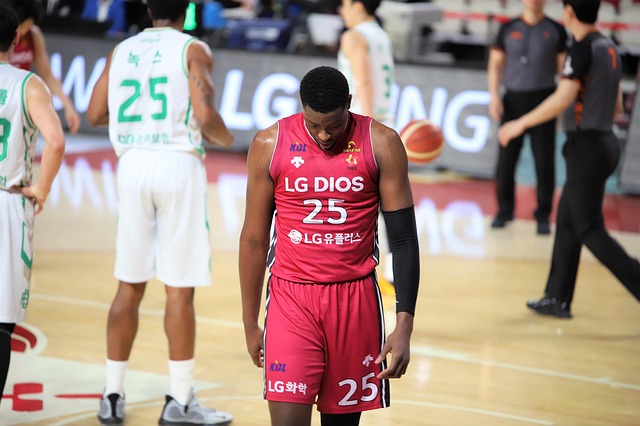
A small forward may spend the same possession defending a fast guard, posting up a smaller opponent, cutting to the basket and closing out on a shooter. That range of responsibilities makes the position one of the most adaptable roles in basketball.
Usually wearing the number three spot in a traditional lineup, the small forward plays between the shooting guard and power forward. The position is not defined by one skill alone. Instead, a successful small forward contributes wherever the team needs help: scoring from the perimeter, attacking the rim, defending several positions and creating extra possessions through rebounding.
The main responsibilities of a small forward
The exact job changes with a team’s system and the player’s strengths, but most small forwards handle several core duties.
- Scoring: Small forwards are often expected to make jump shots, finish fast breaks and score from drives or post-ups. Many are capable three-point shooters, giving the offense valuable spacing.
- Perimeter defense: They commonly defend opposing wings, including shooting guards and small forwards. Their size and mobility also allow them to switch onto some point guards or power forwards.
- Rebounding: A small forward must help both big men and guards secure rebounds. Defensive rebounding can end an opponent’s possession, while offensive rebounding creates second-chance points.
- Ball movement: Modern small forwards are often secondary ball handlers. They may bring the ball up the floor, make the extra pass or run an offense from the wing.
- Transition play: Because they are usually athletic and mobile, small forwards frequently run the floor after a turnover or defensive rebound.
Offensively, the player may stand in the corner to stretch the defense, cut behind a defender, set a screen or attack a closeout. The ability to move between these actions prevents the position from becoming predictable.
How a small forward fits into the lineup
In a traditional basketball lineup, the small forward is taller and stronger than a shooting guard but quicker and generally smaller than a power forward. That middle ground explains why the role often involves matching up with a wide variety of opponents.
Against a smaller lineup, a strong small forward can post up, crash the offensive glass and defend inside. Against a taller opponent, speed becomes more valuable: the player can pull a slower defender away from the basket, attack in space and switch defensively without giving up an easy matchup.
This versatility is especially important in positionless basketball. Teams may use a small forward as a primary scorer, a defensive stopper or a point forward who directs the offense. Some lineups even place three wing players on the court together, making defensive communication and matchup flexibility more important than a strict position label.
Skills that make an effective small forward
A complete small forward usually combines physical tools with sound decision-making. Size helps with rebounding and defending stronger players, while quick feet are essential for staying in front of guards and closing out on shooters.
- Shooting: Reliable perimeter shooting forces defenders to stay attached and creates driving lanes for teammates.
- Finishing: Small forwards need to convert layups, transition chances and contact finishes around the rim.
- One-on-one scoring: The ability to attack from the wing gives the offense a way to create a shot when a play breaks down.
- Defensive versatility: Strong footwork, positioning and awareness allow a wing defender to guard multiple positions.
- Rebounding instincts: Reading the ball’s path and finding a body matter as much as height.
- Passing: Good passing turns defensive attention into open shots for teammates and makes drives more effective.
Decision-making often separates a useful small forward from a complete one. A player must recognize when to shoot, drive, pass, cut or reset the offense. On defense, that means knowing when to help, switch, stay home with a shooter or box out rather than chasing the ball.
Small forward compared with other basketball positions
The shooting guard and small forward have overlapping duties, particularly in modern offenses. A shooting guard is traditionally more focused on perimeter scoring and movement without the ball, while a small forward is often asked to provide more rebounding, physical defense and inside play.
The power forward is usually bigger and more involved in interior defense, screening and post play. However, many power forwards now shoot from outside, while some small forwards defend and rebound like traditional big men. The distinction depends increasingly on skill set and team strategy rather than height alone.
A small forward also differs from a point guard because the position is not normally the team’s primary organizer. Still, a particularly skilled player can become a secondary or even primary playmaker. That type of player is often called a point forward.
Why the position matters
The small forward connects different parts of a basketball team. A player who can defend on the perimeter, rebound near the paint and make open shots gives a coach more lineup options. That flexibility can determine whether a team survives mismatches, handles substitutions and maintains its offensive spacing.
In simple terms, a small forward is a versatile wing who scores, defends, rebounds and supports the offense in several ways. The best players at the position do not wait for one type of opportunity. They read the game and fill the gap the team has at that moment.