Sports Training Tips for Beginners: Build Fitness Safely
Learn how to start sports training with a practical weekly routine, effective warm-ups, recovery habits, and simple ways to improve without overtraining.
Starting sports training does not require elite fitness or expensive equipment. Beginners improve fastest by building a consistent routine, learning basic movement skills, and increasing workload gradually. The right plan should develop fitness while leaving enough time for recovery.
Build a beginner sports training routine
Begin with two or three training sessions per week, separated by at least one rest day. A session can last 30 to 60 minutes and should include a warm-up, the main workout, and a short cool-down.
Use a balanced weekly structure rather than training the same movement every day. For example:
- Session one: basic strength exercises, mobility, and easy aerobic work.
- Session two: sport-specific skills, coordination drills, and short intervals.
- Session three: full-body strength, balance exercises, and steady cardio.
Walking, cycling, swimming, jogging, bodyweight exercises, and basic ball drills can all support general sports fitness. Choose activities that match your sport, current ability, and available equipment.
Start every workout with a proper warm-up
A warm-up prepares the muscles and nervous system for harder activity. Spend five to 10 minutes raising your body temperature with brisk walking, light jogging, or easy cycling. Follow this with dynamic movements such as leg swings, arm circles, lunges, skips, and controlled bodyweight squats.
Save long static stretches for after training or a separate mobility session. Before exercise, focus on smooth movement through the ranges you will use during the workout. A football player may need lunges and short accelerations, while a beginner basketball player may benefit from defensive slides, skips, and controlled jumps.
Use simple exercises and good technique
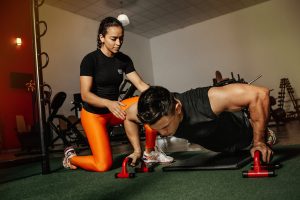
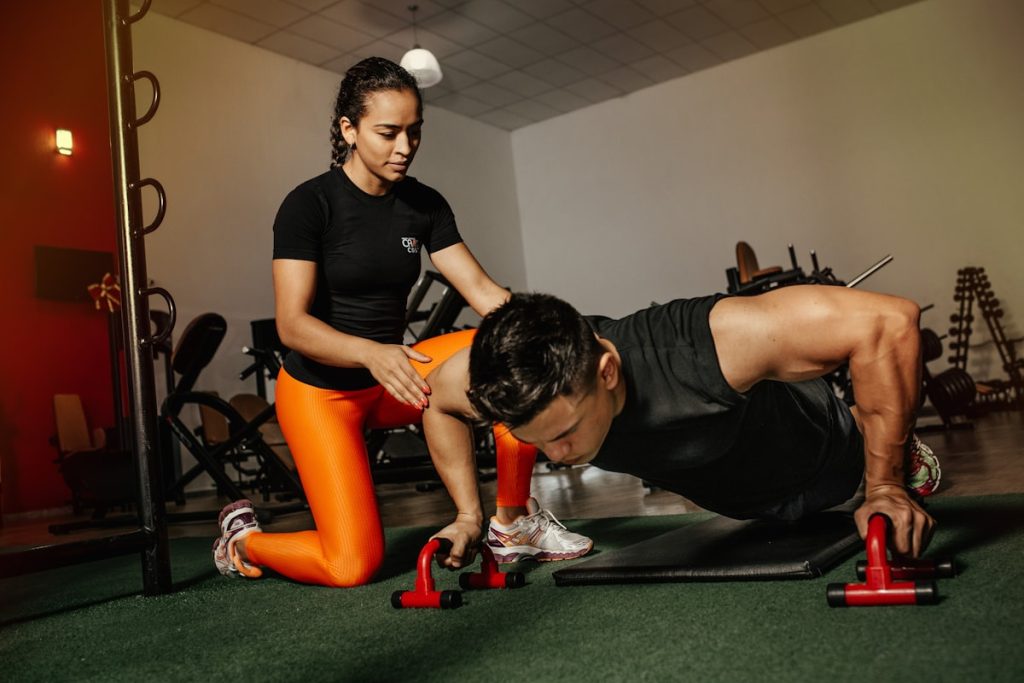
Beginners should master movement quality before adding heavy resistance or high intensity. Useful foundational exercises include squats, hip hinges, step-ups, push-ups, rows, planks, and calf raises. Start with a version that allows controlled repetitions and stable posture.
Keep the effort moderate at first. You should usually finish a set with a few good repetitions still possible. Stop if technique breaks down, pain changes your movement, or you feel sharp pain rather than normal muscle effort. A qualified coach or fitness professional can help correct technique and adapt exercises to injuries or medical conditions.
Increase training gradually
Training progression means adding a small amount of challenge over time. You might increase repetitions, extend an easy run by a few minutes, add one interval, or use slightly more resistance. Avoid increasing duration, intensity, and frequency at the same time.
Track simple details such as session length, exercises, repetitions, and how difficult the workout felt. If your performance drops for several sessions, or soreness and fatigue remain high, reduce the workload and add recovery time. Consistency matters more than completing a punishing workout.
Develop stamina, strength, and sport skills
General conditioning is useful, but sports training should also reflect the demands of the activity. Endurance sports need steady aerobic work, while court and field sports often require repeated short bursts, changes of direction, balance, and coordination.
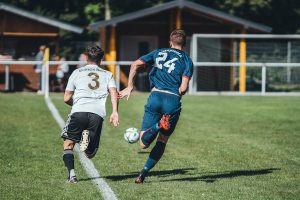
Beginners can combine easy cardio with short skill-focused blocks. For example, a new runner might use alternating periods of jogging and walking. Someone learning football skills could practice passing, first touch, dribbling, and short accelerations before joining longer competitive sessions.
Strength training two times per week can support performance and help prepare the body for sport. Focus on major movement patterns, train both sides of the body, and use controlled repetitions rather than rushing through the exercise.
Prioritize recovery and injury prevention
Recovery is part of a training plan, not time wasted. Sleep, regular meals, fluids, and rest days help the body adapt to exercise. Gentle walking or mobility work may reduce stiffness, but it should not replace rest when you are unusually tired or unwell.
Wear suitable footwear and train on surfaces appropriate for your activity. Increase running or jumping volume carefully, since these activities place extra stress on the feet, ankles, knees, and hips. Warm up before intense work and avoid trying to train through sharp or worsening pain.
Seek medical advice for persistent pain, swelling, dizziness, chest discomfort, or shortness of breath that seems disproportionate to the effort. Anyone with a health condition or long period of inactivity should ask a healthcare professional how to begin safely.
A practical first-month approach
During the first week, learn the exercises and keep sessions comfortable. In the second week, add a few repetitions or minutes if you recovered well. In the third week, introduce a small amount of sport-specific intensity. Use the fourth week to maintain the routine or reduce volume if fatigue has accumulated.
Judge progress by more than speed or weight. Better balance, smoother technique, improved stamina, fewer pauses, and greater confidence are meaningful signs that your beginner training plan is working.