
Tennis Tactics Explained: How Players Build and Win Points
Tennis tactics determine where a player hits, when they attack, and how they turn small advantages into winning points. Learn the patterns behind serving, returning, rallying, and adapting to opponents.
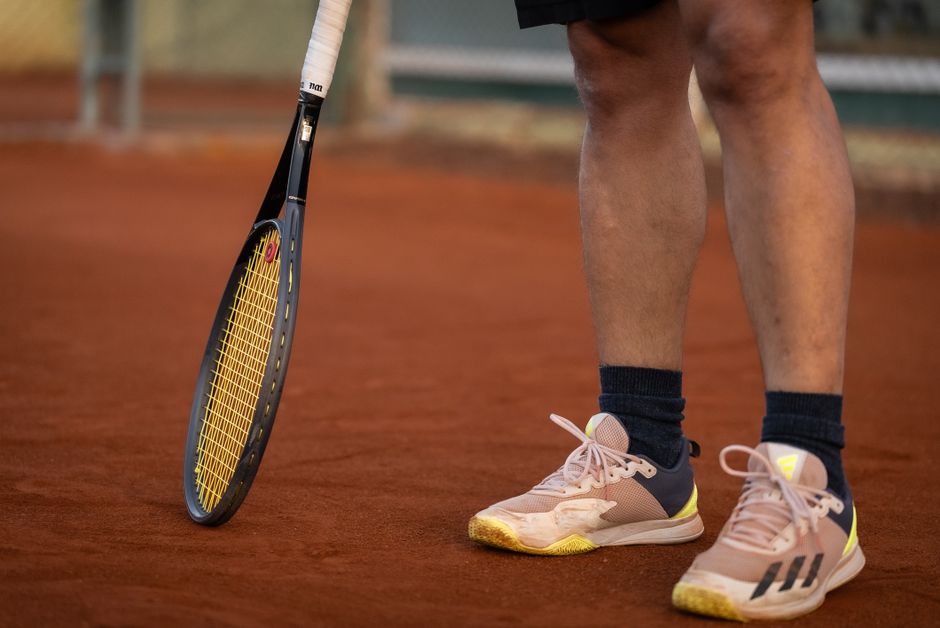
A tennis point can change direction in a single shot. A wide serve opens the court, a deep return removes time, and one short ball may invite an attack that was impossible moments earlier. Tennis tactics are the decisions behind those changes: where to place the ball, which area to target, and when to move from defense into offense.
Good tactics are not limited to powerful strokes. They connect serve placement, return position, rally patterns, court positioning, and knowledge of an opponent’s weaknesses. The best strategy also changes with the surface, score, weather, and physical condition of both players.
The main tactical phases of a tennis point
Most points move through three broad phases: starting the attack, controlling the rally, and finishing or recovering. The phases are fluid, but recognizing them helps explain why certain shots are effective.
Starting with the serve and return
The server usually has the first chance to dictate play. A serve hit to the body can jam an opponent, while a wide serve can pull them outside the singles court and create an open target for the next shot. A serve down the center is useful for limiting angles and protecting against an aggressive return.
The second shot is often called the serve-plus-one. Instead of trying to hit a winner immediately, the server uses the return’s likely direction to prepare a controlled forehand or backhand. For example, a wide serve may be followed by a firm shot into the opposite corner, forcing the returner to cover the entire court.
The returner has a different objective: neutralize the serve and make the server play an extra ball. A deep return through the middle reduces the server’s angles. A low crosscourt return can also prevent an easy first attack, while an aggressive return down the line is most useful when the server’s recovery is slow or predictable.
Controlling the baseline rally
From the baseline, players usually look for space rather than simply hitting as hard as possible. A deep crosscourt shot is a reliable way to move an opponent while allowing more room over the net. Once the opponent is pushed wide, a change down the line can expose the open court.
Depth matters because it limits the opponent’s time and keeps them behind the baseline. Heavy topspin can push a player backward, while a flatter ball can rush an opponent who stands close to the line. Mixing height, speed, and spin makes a rally harder to read and stops one predictable pattern from becoming comfortable.
Common tennis tactics and when they work
Playing to the backhand
Targeting the backhand is a common match strategy, but it only works if the shot produces a real advantage. A player may have a weaker backhand under pressure, struggle to attack high balls, or leave the court open after hitting crosscourt. The target should be tested early rather than assumed from reputation.
Repeatedly hitting to one side can also create a pattern the opponent anticipates. Strong players vary the height and depth of those shots, then use a sudden change of direction when the opponent begins leaning toward the expected target.
Moving an opponent before attacking
Creating space is often more reliable than attempting a low-percentage winner. A deep ball to one corner can draw a short reply, which is the right moment to step inside the baseline and attack. The attacking shot should usually go into the open court or behind the opponent’s recovery movement.
Players also use the body as a target. A shot aimed at the hips can be awkward to handle because the opponent must decide whether to move around the ball or take it in a cramped position. This tactic is especially useful when there is not enough room for a clean passing angle.
Changing pace and using the drop shot
Rally tolerance is easier to disrupt when the ball speed changes. A high, deep topspin shot may push an opponent back, while a shorter slice keeps the ball low and forces them to generate pace. These changes are most effective when they have a tactical purpose rather than appearing as random variation.
The drop shot works best after the opponent has been moved behind the baseline or is expecting another deep ball. A drop shot from a poor position is usually an invitation to attack. The player must disguise it, keep it short, and be ready for the opponent’s reply at the net.
Defense, court position, and transition play
Defensive tennis is not simply about returning the ball safely. A player under pressure may use height and topspin to gain recovery time, direct a ball deep through the center to remove angles, or hit crosscourt because the net is lower and the court offers more margin.
After a wide defensive shot, recovery is crucial. The defender should begin moving back toward a position that covers the opponent’s most likely reply, not remain fixed near the sideline. Efficient footwork can turn a desperate exchange into a neutral rally.
The transition from defense to attack often begins with one neutralizing ball. Once the opponent hits shorter or loses court position, the player can step forward, take the ball earlier, and finish at the net or with a controlled approach shot. Attacking too soon is one of the most common tactical errors in tennis.
How surface and conditions change tennis strategy
Clay generally rewards patience, heavy spin, and point construction because the slower court gives players more time to defend. Sliding into wide balls and repeatedly opening the court can be as important as hitting a clean winner.
Grass favors early ball striking, low slices, quick serves, and confident net approaches. The bounce is lower and points can be shorter, so returning well and protecting the first few shots of each rally become especially valuable.
Hard courts sit between those extremes, but their speed varies. A faster hard court may reward first-strike tennis, while a slower one favors endurance and sustained baseline pressure. Wind adds another layer: players often use more margin, aim through the middle, and avoid ambitious changes of direction.
Reading an opponent and adjusting during a match
Tactical adjustments begin with observation. Notice where the opponent stands to receive, which serve direction causes the weakest return, whether they recover toward the correct position, and how they respond to high balls or low slices.
Score and pressure also influence shot selection. At break point, a player may choose a dependable pattern rather than a spectacular one. A lead can support more patient rallying, while a player behind may need to take the ball earlier or move forward more often. The best decision is not always the most aggressive shot; it is the shot that gives the highest chance of controlling the next exchange.
A practical match plan might begin with serving to the backhand, using the serve-plus-one into the open court, and avoiding unnecessary down-the-line changes. If the opponent starts covering that pattern, the server can bring the body serve or a surprise wide serve into play. Effective tennis strategy is a living plan, not a fixed sequence.