How to Improve Basketball Passing: Techniques, Drills and Decision-Making
Improve basketball passing with better footwork, court vision, timing and accuracy. Learn practical passing drills for individual workouts and team practice.
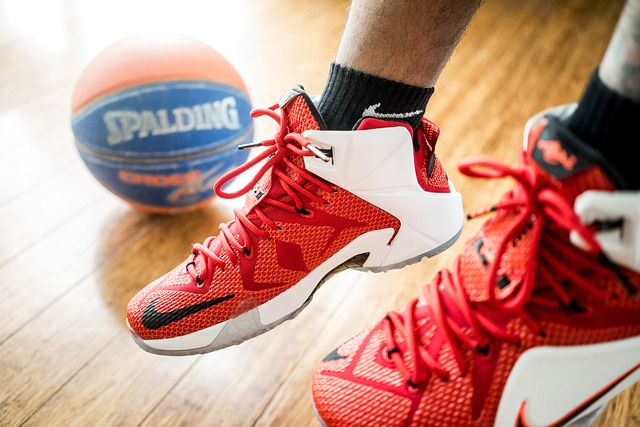
To improve basketball passing, focus on three connected skills: delivering the ball accurately, reading the defense before you pass, and using your feet to create a clear passing angle. Strong passers do more than throw the ball to a teammate; they pass away from defenders, protect the ball and deliver it at the right speed.
Build the fundamentals of a good basketball pass
Start with your stance. Keep your knees slightly bent, maintain balance and hold the ball in a position that allows you to pass, dribble or shoot without a long preparation. Avoid staring at your intended target for too long, because defenders can read your eyes and move into the passing lane.
Use your feet before using your hands. A small pivot, jump stop or side step can improve the angle and reduce the chance of throwing directly into a defender. Keep the pivot foot stable, scan the court and pass only after you have created enough space.
Chest pass
A chest pass works best over a short or medium distance when the lane is open. Step toward your teammate, extend both arms and finish with your thumbs pointing down. The ball should travel directly to the receiver’s chest rather than floating above their head.
Bounce pass
Use a bounce pass to get the ball underneath a defender’s hands. Aim for the floor roughly two-thirds of the way to your teammate so the ball rises into their hands. The pass needs enough pace to reach the receiver before a defender can react.
Overhead and one-handed passes
An overhead pass is useful for changing the ball’s side or passing over a low defender, but it should not become a predictable habit. One-handed push passes and baseball-style passes can cover more distance, although they require control and should be used only when the passing lane is clear.
Improve passing accuracy and timing
Pass to the space your teammate is moving into, not always to the spot where they are standing. A cutting player usually needs the ball in front of their path, while a player posting up may need a pass to their outside hand or high shoulder.
Match the type and speed of the pass to the situation. A soft pass may be easier to catch but too slow against a close defender. A firm pass helps a teammate attack quickly, but excessive force makes it difficult to control. Aim for the receiver’s hands and give them a target when possible.
Good passing also depends on off-ball awareness. Before receiving the ball, know where the next pass could go. Before passing, check whether your teammate is ready, whether a defender is denying the lane and whether a safer outlet is available.
Basketball passing drills that develop real game skill
- Wall passing: Stand a few feet from a wall and complete chest passes, bounce passes and one-hand passes. Keep your hands ready and catch the ball without bringing it into your body. Increase the distance only when your accuracy remains consistent.
- Target passing: Mark a small target on a wall or use a teammate’s hands as the target. Complete sets with both hands, then alternate between chest and bounce passes. Count accurate passes rather than rushing for a high total.
- Pivot-and-pass drill: Start with the ball, perform a jump stop and pivot in different directions before passing to a partner. Have the partner vary the target so you must scan and adjust your feet.
- Moving partner passes: Jog up the court while exchanging passes. Practice passing ahead of your teammate, catching on the move and finishing with a layup or controlled stop.
- Three-player passing drill: Use three lines or three players to practice passing, cutting and filling open space. Add a defender once the basic movement becomes comfortable.
- Advantage passing: Play two-on-one or three-on-two situations. The goal is to recognize when the defender commits and pass early enough for the teammate to attack an open lane.
Learn to read defenders and passing lanes
Do not force a pass simply because a teammate appears open. Watch the defender’s head, shoulders and hands. A defender looking at the ball may be vulnerable to a backdoor cut, while a defender turning fully toward the receiver may be ready to intercept a direct pass.
Use pass fakes to move defenders. A quick look or fake toward one side can open a bounce-pass lane on the other. Keep the fake short and return to a balanced stance so you can still protect the ball.
Against pressure defense, meet the pass instead of waiting for it. Against a trap, reverse the ball quickly or pass to the open teammate behind the defense. In the half court, avoid throwing cross-court passes through the hands of defenders unless the angle and timing are clear.
Common passing mistakes to correct
Passing from a stationary stance: Defenders can crowd players who never use their feet. Pivot, pass fake or take a legal step to improve the angle.
Telegraphing the pass: Looking at the target too early gives away your intention. Scan before the catch and use peripheral vision after receiving the ball.
Throwing at a teammate’s feet: Low passes are difficult to catch and often stop an offense. Pass to the hands or lead the receiver into open space.
Ignoring the weak side: If the defense loads up on the ball, a reversal pass may create a better shot than a risky pass into traffic.
Practicing without pressure: Perfect passing in an empty gym does not guarantee good decisions in a game. Add movement, time limits, defenders and realistic spacing to your workouts.
Use a simple passing practice routine
A focused 20-minute session can include five minutes of stationary wall passing, five minutes of footwork and pivot passes, five minutes of moving passes and five minutes of small-sided decision-making. Track missed catches, turnovers and passes that forced a teammate to stop or change direction.
During games, measure progress by the quality of your decisions rather than by flashy assists. A successful pass may be a simple reversal that moves the defense, an outlet that starts a fast break or a pass that puts a teammate in position to attack immediately. Accurate technique, active feet and early reads are the foundation of reliable basketball passing.