What to Eat Before a Game: Meals, Snacks, Timing, and Hydration
Learn what to eat before a game based on timing, sport intensity, portion size, and individual tolerance, with practical meal and snack examples.
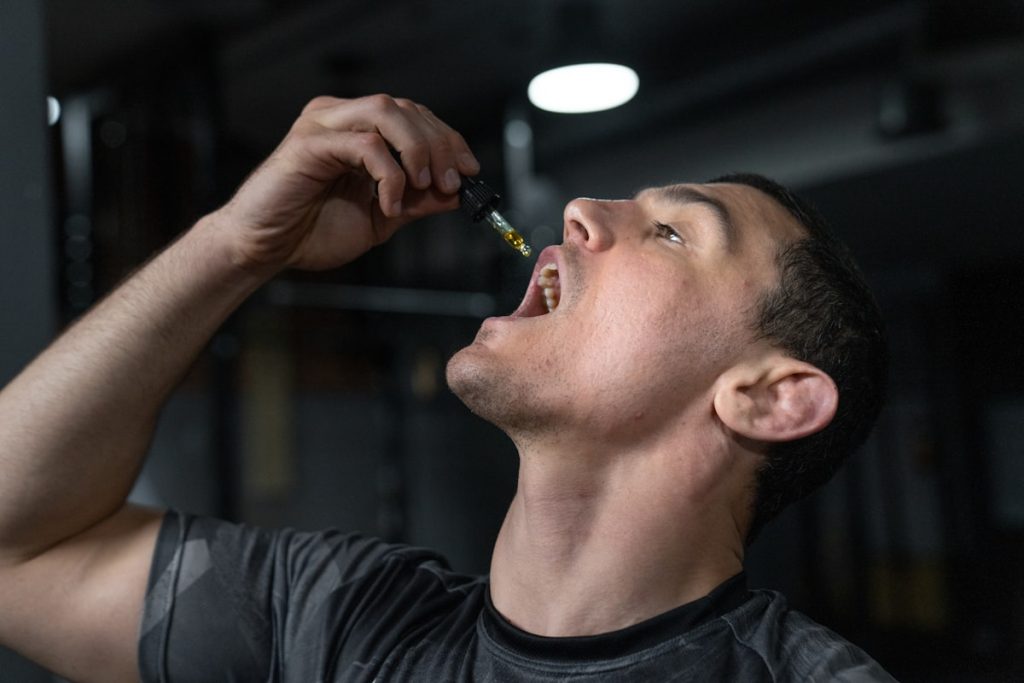
The best food before a game provides usable energy without leaving the stomach heavy. Most athletes benefit from a meal or snack built around carbohydrates, a moderate amount of protein, limited fat, and fluids. The right choice depends on how long remains before kickoff or tipoff, the intensity of the sport, the length of the event, and how well an individual digests food under pressure.
How timing changes what to eat before a game
A full pre-game meal usually works best about two to four hours before competition. This gives the stomach time to empty while allowing carbohydrates to replenish blood glucose and muscle glycogen. A typical meal might contain rice, pasta, potatoes, bread, oats, fruit, or another familiar carbohydrate, along with a modest serving of lean protein.
With 60 to 90 minutes remaining, reduce the portion size and choose foods that digest easily. A banana with yogurt, a small bowl of cereal, toast with a little honey, or a low-fiber granola bar can provide energy without the volume of a full meal.
In the final 15 to 30 minutes, a small carbohydrate-focused snack may be useful if hunger is present or the athlete has not eaten enough earlier. Examples include a few bites of banana, applesauce, a sports drink, or a small amount of dried fruit. Eating a large meal at this point increases the chance of cramps, reflux, nausea, or sluggishness.
What a balanced pre-game meal should contain
Carbohydrates for readily available energy
Carbohydrates are generally the main fuel source for repeated sprinting, running, jumping, and other high-intensity activity. Suitable pre-game carbohydrate foods include rice, pasta, potatoes, bread, oats, cereal, bananas, and other fruit. The portion should reflect the athlete’s body size, the duration of the game, and the amount of time available for digestion.
Whole grains, beans, and large servings of vegetables can be nutritious during ordinary meals, but their fiber may cause bloating for some people close to competition. Athletes who are sensitive to stomach discomfort may prefer lower-fiber versions immediately before a game while eating more fiber at other times.
Protein in a moderate portion
A small or moderate serving of protein can help make a meal more satisfying. Good options include eggs, chicken, fish, yogurt, milk, tofu, or a simple protein-rich sandwich. Protein is not usually the main source of immediate game energy, and a very large serving can slow digestion or feel uncomfortable during movement.
Fat and fiber should be controlled near kickoff
Fat digests more slowly than carbohydrate and may be useful in the overall diet, but fried food, creamy sauces, fatty meats, and large amounts of nut butter are risky choices immediately before intense activity. The same applies to unusually large servings of high-fiber food. These foods are not universally problematic, but they are more likely to cause heaviness or gastrointestinal symptoms when eaten shortly before play.
Practical foods to eat before different game times
Two to four hours before the game
- Rice with grilled chicken and a small serving of cooked vegetables
- Pasta with tomato sauce and a modest amount of lean meat
- Oatmeal with banana and yogurt
- A baked potato with eggs or cottage cheese
- A turkey sandwich with fruit
These options provide more total energy than a last-minute snack. Keep seasonings and ingredients familiar, particularly before an important match.
One to two hours before competition
- Toast with banana and a small amount of honey
- Low-fiber cereal with milk
- Yogurt with fruit
- A small bagel with jam
- Rice cakes with a little peanut butter, if tolerated
The closer the game is, the smaller and simpler the meal should be. A food that works well for one athlete may cause discomfort for another, so testing options during training is more reliable than copying a teammate’s routine.
When only a few minutes remain
Choose a small, familiar carbohydrate source rather than trying to compensate for a missed meal. A banana, applesauce pouch, a few dates, or a sports drink may be easier to tolerate than solid food. This is a short-term adjustment, not a replacement for regular meals.
Hydration before a game
Start drinking fluids well before warm-up instead of consuming a large amount immediately before play. Water is suitable for many games, especially those of moderate duration in cool conditions. A drink containing carbohydrates and electrolytes can be useful during prolonged activity, heavy sweating, or hot and humid weather.
Overdrinking can be harmful and may cause nausea or dangerously low blood sodium in extreme cases. Urine color can offer a rough indication of hydration, but it is not a precise test. Thirst, recent fluid losses, weather, and personal sweat rate also matter. Alcohol should be avoided before competition because it can impair coordination, judgment, sleep, and fluid balance.
Foods and habits that commonly cause problems
New supplements, unfamiliar energy products, very spicy meals, large portions, greasy takeaway food, and excessive caffeine are common sources of pre-game trouble. Caffeine may improve alertness and performance for some adults, but its effects vary and it can cause anxiety, rapid heartbeat, stomach upset, or sleep disruption. Young athletes and people with medical conditions should seek qualified advice before using caffeinated products.
Skipping food entirely is not always a problem for every athlete, but it can leave some people low on energy, distracted by hunger, or more likely to fatigue late in the game. A small snack is often a practical compromise when a full meal is not possible.
How to build a reliable pre-game routine
Use training sessions to test meal timing, portion sizes, fluids, and specific foods. Record what was eaten, how long before exercise it was consumed, and whether symptoms such as bloating, cramps, or reflux occurred. The routine should also account for travel, early start times, access to food, and the possibility of extra time or overtime.
Athletes with diabetes, food allergies, gastrointestinal disease, a history of eating disorders, or repeated symptoms during exercise should obtain individualized advice from a doctor or registered sports dietitian. General meal examples cannot replace a plan that accounts for medication, blood glucose management, allergies, or medical nutrition needs.